

Customer Oriented Marketing: Definitions, Examples, and Skills
Customer-oriented marketing is the cornerstone of modern business strategies. As companies compete in saturated markets, the ability to understand and prioritize customer needs has become a decisive factor in achieving success. This article will delve into every aspect of customer-oriented marketing, providing practical insights and examples to help you implement this approach effectively.
What is Customer Orientation?
At its core, customer orientation means putting the customer at the center of your business decisions and actions. It’s not just about selling a product or service; it’s about solving problems, addressing needs, and creating memorable experiences.
Customer-oriented marketing aims to build trust and long-term relationships by prioritizing what matters most to customers. It focuses on creating value, fostering loyalty, and ensuring that customers feel heard and valued.

Key Characteristics of Customer Orientation
1. Empathy: Understanding Customer Needs
Empathy is crucial in building meaningful relationships with customers. By understanding their emotions, challenges, and goals, businesses can tailor their solutions effectively.
Example: Apple’s Genius Bar offers personalized support for customers, ensuring they feel cared for and understood.
How to practice empathy:
- Conduct interviews to explore customer journeys.
- Train employees to actively listen and provide thoughtful responses.
2. Proactive Listening
Businesses must actively seek feedback rather than waiting for customers to voice concerns.
Example: Slack routinely conducts surveys to refine its user experience based on real-time feedback.
How to implement proactive listening:
- Use social media tools to monitor brand mentions.
- Set up regular customer touchpoints for surveys and reviews.
3. Flexibility: Adapting to Customer Needs
Flexibility involves tailoring solutions to meet diverse customer expectations.
Example: Netflix’s personalized recommendations adapt to individual user preferences.
How to stay flexible:
- Use data analytics to understand customer behavior.
- Empower teams to respond dynamically to unique needs.
4. Transparency: Building Trust Through Communication
Being honest and clear about what you offer builds credibility and trust.
Example: Patagonia openly shares its supply chain information, enhancing its reputation for sustainability.
How to ensure transparency:
- Communicate clear policies and product information.
- Be open about mistakes and resolutions.
5. Customer-Centric Decision Making
Every decision, from product development to marketing campaigns, should prioritize customer satisfaction.
Example: Amazon’s one-click purchase option simplifies the buying process, showcasing its customer-centric mindset.
Related: What is Total Experience? Definition and Strategies
Why Does Customer Orientation Matter?
1. Higher Customer Loyalty
Customers are more likely to return to businesses that prioritize their needs.
Example: Starbucks’ rewards program encourages repeat visits, strengthening customer loyalty.
2. Enhanced Brand Reputation
A customer-first approach leads to positive reviews and strong word-of-mouth marketing.
Example: Zappos is synonymous with exceptional customer service, boosting its brand image.
3. Competitive Advantage
Understanding customer needs better than competitors can set your business apart.
Example: Tesla’s continuous innovation, driven by customer feedback, solidifies its market dominance.
4. Sustainable Growth
Customer-oriented businesses enjoy organic growth through referrals and repeat sales.
Example: Airbnb’s personalized experiences have propelled its growth globally.

How to Implement Customer Orientation
1. Cultivate a Customer-Centric Culture
Embed customer orientation in your company’s DNA.
Steps:
- Communicate its importance from the top.
- Train employees to align with this philosophy.
- Recognize and reward customer-focused actions.
2. Leverage Customer Feedback
Gather and act on customer insights regularly.
Best practices:
- Conduct surveys and focus groups.
- Use tools like Google Analytics to track user behavior.
3. Personalize Customer Experiences
Tailored interactions create deeper connections.
How to personalize:
- Segment your audience based on behavior and preferences.
- Use CRM tools like HubSpot to streamline interactions.
4. Optimize Customer Touchpoints
Ensure every interaction with your brand is seamless.
Tips:
- Enhance website usability.
- Provide multi-channel support.
5. Empower Your Salesgroup
Your sales team is vital in delivering customer-oriented marketing.
How to empower:
- Train them to listen and address customer concerns.
- Equip them with tools like CRM systems.
6. Measure and Adapt
Monitor metrics like customer satisfaction (CSAT) and retention rates to refine your strategies.
Customer Orientation: Examples from Top Companies
1. Salesgroup.AI
Salesgroup takes customer orientation to the next level by prioritizing relationships over transactions.
How Salesgroup stands out:
- Collaborative sales approach: Partnering with customers to find the best solutions.
- Data-driven decisions: Using analytics to anticipate customer needs.
- Tailored communications: Engaging customers with personalized messages.

2. Amazon
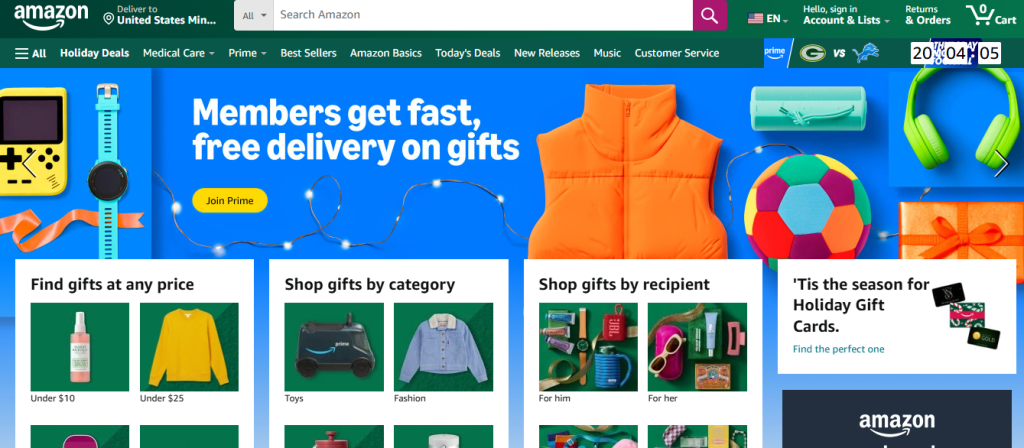
Amazon is a prime example of customer orientation in action. Jeff Bezos, the company’s founder, famously declared that Amazon is “customer-obsessed.”
How Amazon excels:
- Personalized recommendations: Using algorithms to suggest products tailored to individual preferences.
- Seamless user experience: An intuitive interface, quick checkout, and reliable delivery.
- Customer-first policies: Hassle-free returns and a strong focus on customer service.
3. Apple
Apple combines innovation with customer orientation to deliver products that exceed expectations.
How Apple delivers:
- Customer feedback loop: Apple listens to user feedback to refine its products.
- Community engagement: The Genius Bar and Apple Support provide hands-on help.
- Simplicity: Apple products are designed with ease of use in mind.
How to Implement Customer Orientation
Becoming a customer-oriented business requires more than just lip service. It’s about embedding this philosophy into every aspect of your operations.
1. Develop a Customer-Centric Culture
Create an environment where every team member values and prioritizes customer needs.
- Leadership commitment: Leaders should model customer-first behaviors.
- Employee training: Equip employees with the skills to understand and meet customer expectations.
- Recognition and rewards: Celebrate team members who excel in customer service.
2. Leverage Customer Feedback
Actively seek feedback to understand customer pain points and improve your offerings.
- Surveys and reviews: Use tools like Tidio or Google Forms to gather opinions.
- Social listening: Monitor conversations on social media for insights.
- Direct outreach: Engage with customers through emails, calls, or live chats.
3. Personalize the Customer Experience
Tailor your interactions and services to individual customer preferences.
- Customer personas: Develop detailed profiles to understand different audience segments.
- Dynamic content: Use platforms like HubSpot to deliver personalized messages.
- Data utilization: Leverage CRM tools to track customer interactions and preferences.
4. Optimize Every Customer Touchpoint
Ensure a consistent and delightful experience across all platforms.
- Website optimization: Create a user-friendly and fast website.
- Customer support: Offer multiple channels for support, including live chat, email, and phone.
- Seamless onboarding: Make the process of becoming a customer smooth and intuitive.
Customer Orientation Skills
Customer orientation goes beyond adopting a strategy; it requires cultivating specific skills that empower your team to consistently deliver exceptional service and build trust with customers. Here’s a detailed look at the core skills needed and how to foster them in your organization:
1. Active Listening
Why it Matters:
Active listening is foundational to understanding customer needs and providing tailored solutions. It ensures customers feel valued and heard, which is key to building loyalty.
How to Practice Active Listening:
- Summarize and Reflect: After listening, restate what the customer said to confirm understanding. For instance, “If I understand correctly, you’re concerned about the delay in your order.”
- Tools for Support: Use transcription services (like Otter.ai) to capture detailed insights from conversations or note-taking apps (like Evernote) to record key points.
- Active Observation: Pay attention to non-verbal cues, tone, and context to fully grasp the customer’s concerns.
Outcome:
Better communication and fewer misunderstandings enhance the customer experience.
2. Problem-Solving
Why it Matters:
Customers expect businesses to address their issues effectively. A solution-oriented approach demonstrates competence and builds trust.
Steps to Problem-Solving:
- Understand the Problem: Listen carefully to identify the root cause.
- Brainstorm Solutions: Collaborate with your team to generate options.
- Implement and Follow-Up: Execute the chosen solution and ensure the customer is satisfied.
Example in Action:
If a customer experiences shipping delays, you could:
- Apologize and provide a clear update on the shipment.
- Offer compensation, such as a discount or free shipping on the next order.
- Follow up to confirm receipt and satisfaction.
Outcome:
Effective problem resolution strengthens customer trust and increases the likelihood of repeat business.
3. Communication
Why it Matters:
Clear, empathetic communication builds stronger connections and ensures customers feel respected and understood. Miscommunication, on the other hand, can damage relationships.
Best Practices for Communication:
- Do’s:
- Use plain, straightforward language that’s easy for customers to understand.
- Maintain a positive tone, even when addressing complaints or negative feedback. For example, say, “Let’s work together to resolve this issue” instead of “That’s not possible.”
- Be responsive and provide timely updates.
- Don’ts:
- Avoid jargon that might confuse customers, especially if they are not familiar with industry terms.
- Never dismiss customer concerns or interrupt while they’re speaking.
Outcome:
Good communication fosters trust and creates memorable customer interactions.

4. Empathy
Why it Matters:
Empathy allows you to connect with customers on an emotional level, demonstrating that you genuinely care about their needs and challenges.
How to Practice Empathy:
- Visualize the Customer’s Journey: Imagine experiencing the problem from their perspective to better understand their frustration or confusion.
- Acknowledge Feelings: Validate the customer’s emotions by saying things like, “I understand how frustrating this must be for you.”
- Adjust Your Approach: Tailor your tone and language based on the customer’s mood and preferences.
Result of Empathy:
Interactions become more thoughtful, resulting in better solutions and a stronger bond between the customer and your brand.
Conclusion
Customer-oriented marketing is no longer optional—it’s essential for businesses looking to thrive in today’s market. By learning from top companies like Amazon, Apple, and Salesgroup, adopting actionable strategies, and cultivating critical customer-centric skills, your business can transform into a customer-first powerhouse.
Remember, customer orientation isn’t just about meeting expectations; it’s about exceeding them. With the right mindset and approach, you can build stronger relationships, foster loyalty, and achieve long-term success.
