

What is Customer Loyalty? [Tips & Examples]
Customer loyalty has become a key driver of long-term business success. It’s more than just repeat purchases; it’s about building a strong, emotional connection with your customers. Loyal customers not only continue to choose your brand but also become powerful advocates, sharing their positive experiences with others and helping to grow your brand.
According to a study by Harvard Business Review, increasing customer retention by just 5% can boost profits by 25% to 95%
Establishing and nurturing customer loyalty requires a commitment to delivering exceptional value, consistent quality, and an outstanding customer experience. In this article, we’ll explore why customer loyalty matters, the factors that influence it, and how businesses can cultivate lasting relationships with their most valuable asset – their customers.
Related: 10 Customer Service Scenarios With Tips and Examples
What is Customer Loyalty
Customer loyalty is the measure of a customer’s dedication and willingness to consistently choose a company’s products or services over competitors. It reflects the strength of the relationship between a brand and its customers, often resulting in repeat purchases, referrals, and long-term engagement.
Key Aspects of Customer Loyalty:
- Emotional Connection: Customers often remain loyal when they feel a personal connection with the brand, whether through shared values, excellent experiences, or emotional branding.
- Consistency: Providing consistent quality, service, and value builds trust, which is a cornerstone of loyalty.
- Reward Programs: Loyalty programs, discounts, and incentives encourage customers to return and continue choosing the brand.
- Customer Experience: A seamless and pleasant customer experience across all touchpoints fosters loyalty.
- Brand Advocacy: Loyal customers often become brand ambassadors, recommending the business to others, which enhances its reputation and attracts new customers.

Difference between Customer Loyalty and Retention
Customer loyalty and customer retention are closely related concepts, but they focus on different aspects of a customer’s relationship with a brand. Here’s a breakdown of their differences:
Customer Loyalty
- Definition: Customer loyalty refers to the emotional attachment and positive attitude a customer has towards a brand, which drives their consistent behavior of choosing that brand over competitors, even when alternatives are available.
- Focus: It is about building long-term relationships where customers have a strong preference for your brand and are likely to recommend it to others.
- Indicators: Loyal customers often make repeat purchases, engage with the brand on social media, and advocate for the brand to others. Their loyalty is often emotional or based on a deeper connection with the brand.
- Goal: The goal of customer loyalty is to create brand advocates who will stay with the brand for years and help drive referrals.
Customer Retention
- Definition: Customer retention focuses on the ability of a company to keep its existing customers over a period of time, minimizing churn (the loss of customers).
- Focus: Retention is primarily about ensuring that customers return after their initial purchase, focusing on maintaining the relationship and preventing customers from leaving.
- Indicators: High retention rates often reflect good customer service, satisfaction, and value delivery. Retained customers may continue to make purchases, but their emotional connection with the brand may not be as strong as those who are loyal.
- Goal: The goal of customer retention is to reduce churn by keeping customers satisfied enough to continue using the brand, but it doesn’t necessarily involve fostering deep loyalty or emotional engagement.
Key Differences
- Loyalty is deeper: Loyalty involves an emotional connection, whereas retention is more transactional, keeping customers engaged to prevent them from leaving.
- Retention focuses on preventing churn: Retention strategies aim to maintain customers, while loyalty strategies aim to turn those customers into advocates for the brand.
- Loyalty drives advocacy: Loyal customers are more likely to recommend your brand, while retained customers may keep buying but not actively promote the brand.
In essence, retention is about keeping customers around, while loyalty is about ensuring they stay and become advocates of your brand.
Customer Loyalty Vs Customer Satisfaction
Customer loyalty and customer satisfaction are closely related but distinct concepts in business and marketing.
- Customer Satisfaction refers to how happy or content a customer is with a product, service, or experience. It is often measured through surveys, reviews, or feedback.
When customers’ expectations are met or exceeded, they feel satisfied. High satisfaction can lead to repeat business, but it doesn’t necessarily guarantee loyalty.
Customers might be satisfied with a product or service but could still switch to a competitor if offered a better deal or experience.- Key Points:
- Short-term focus.
- Measures how well a product or service meets customer expectations.
- Can be influenced by various factors, including price, quality, and customer service.
- Key Points:
- Customer Loyalty is the result of consistently positive customer experiences that foster a strong emotional connection to a brand or company.
Loyal customers are more likely to repeat purchases, recommend the business to others, and continue to engage with the brand, even when alternatives are available. Loyalty is often built over time through repeated positive experiences and a sense of trust or attachment.- Key Points:
- Long-term focus.
- Goes beyond satisfaction to include emotional attachment and repeat behavior.
- Loyal customers are more forgiving of occasional mistakes or missteps.
- Key Points:
Relationship between the two:
- Customer satisfaction is often seen as a precursor to customer loyalty. A customer must be satisfied before they can become loyal.
- However, customer satisfaction alone does not always lead to loyalty. Other factors like trust, emotional connection, and the overall customer experience play a significant role in cultivating loyalty.
In summary, while customer satisfaction measures how well a product or service meets expectations, customer loyalty reflects a deeper, ongoing commitment to a brand or company, which is built over time through consistently positive experiences.
Related: After-Sales Service: Definition, Examples & Best Practices
How to Build Customer Loyalty
Building customer loyalty is crucial for long-term business success. Here are five effective ways to cultivate customer loyalty:
- Deliver Exceptional Customer Service: Providing excellent customer service is one of the most powerful ways to build loyalty. Customers who feel valued and supported are more likely to return and recommend your business. This includes quick responses to inquiries, resolving issues promptly, and ensuring a positive and personalized experience. Offering exceptional service at every touchpoint helps customers feel appreciated, fostering trust and loyalty.
- Create a Loyalty Program: Implementing a loyalty program rewards customers for repeat business, encouraging them to keep coming back. Points systems, discounts, exclusive offers, or VIP membership perks can motivate customers to continue purchasing from your business. Make sure your loyalty program is easy to understand and provides tangible benefits that resonate with your target audience.
- Provide Consistent Quality: Ensuring that your products or services consistently meet or exceed customer expectations is key to building trust and loyalty. When customers know they can rely on your brand for high-quality offerings, they are more likely to return. Consistency in quality creates a sense of reliability, making customers less likely to switch to competitors.
- Personalize the Customer Experience: Personalization helps create a deeper connection between your business and your customers. This can be done by tailoring marketing messages, recommendations, and offers to individual preferences and purchasing behaviors. Personalized communication, such as sending birthday greetings, special discounts, or tailored content, makes customers feel unique and valued, which can drive loyalty.
- Build Emotional Connections: Customers are more likely to be loyal to a brand that resonates with them on an emotional level. This can be achieved by aligning your brand with the values and needs of your customers, showing authentic care for social causes, and creating a brand identity that your customers connect with. Engaging customers through storytelling, shared values, and meaningful experiences helps develop a long-term emotional bond, which can lead to strong customer loyalty.
Related: Customers Pain Point: Examples and How to Solve Them
Examples of Customer Loyalty Program
Here are five of the best examples of customer loyalty programs that have successfully built strong customer relationships:
Starbucks Rewards Program

Starbucks has created one of the most successful loyalty programs with its Starbucks Rewards. Customers earn “Stars” for every purchase, which can be redeemed for free drinks, food, and personalized rewards. The program also offers exclusive offers, birthday rewards, and early access to new products. Starbucks also uses its app to create a seamless experience, allowing customers to order and pay ahead, making the loyalty program more integrated into the customer journey.
Amazon Prime
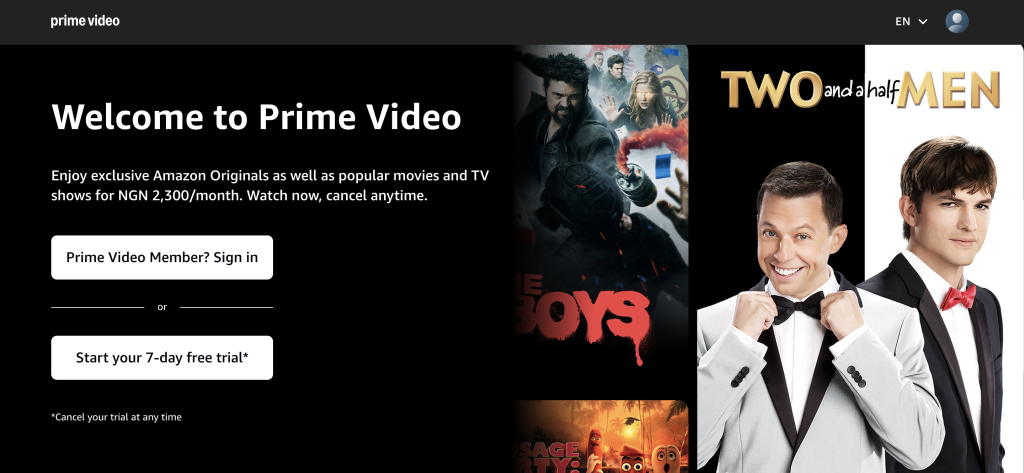
Amazon’s Prime membership is a prime example of customer loyalty. For an annual or monthly fee, customers get access to a range of benefits such as free two-day shipping, exclusive discounts, early access to deals, and streaming services for movies, music, and more.
Amazon has created a strong emotional and practical incentive for customers to stay loyal, as the value of the membership continues to grow with additional benefits over time.
Sephora Beauty Insider
Sephora’s Beauty Insider program is a well-known loyalty program in the beauty industry. Customers earn points with every purchase, which can be redeemed for free products, exclusive discounts, or special experiences.
The program also offers tiered levels (Insider, VIB, and Rouge), with higher levels providing more rewards and personalized benefits. Sephora effectively uses data to customize product recommendations and offers, making the loyalty program feel personalized to each customer.
Apple Ecosystem
Apple has developed a robust customer loyalty program by creating an interconnected ecosystem of products and services. Once a customer buys an Apple product, they often find it difficult to switch to another brand due to the seamless integration between devices, software, and services like iCloud, Apple Music, and the App Store. Apple’s commitment to quality and innovation, along with strong customer support, fosters loyalty, making customers more likely to continue purchasing Apple products.
Nike Membership Program (NikePlus)
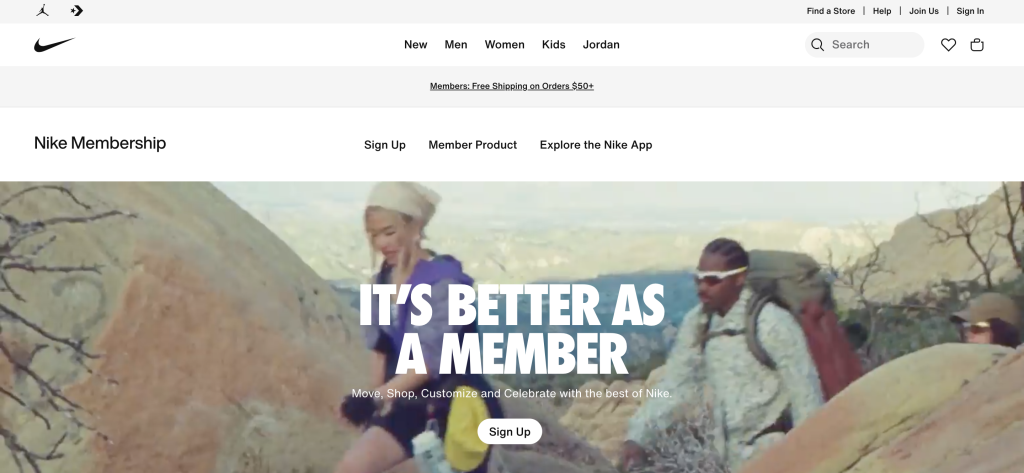
Nike’s loyalty program, NikePlus, provides members with personalized offers, exclusive access to events, and early product releases. The program also allows customers to earn rewards through their fitness activities, making it more than just a traditional shopping loyalty program. By combining fitness tracking with product rewards, Nike has built an emotional connection with customers who are passionate about both fitness and its products.
How to measure customer loyalty
Measuring customer loyalty is crucial to understanding how well your brand retains customers and how likely they are to continue doing business with you. Here are some effective methods to measure customer loyalty:
Net Promoter Score (NPS):
NPS is one of the most popular methods for measuring customer loyalty. It asks customers how likely they are to recommend your business to others on a scale of 0 to 10. Based on their responses, customers are categorized into three groups:
- Promoters (9-10): Loyal customers who are likely to recommend your brand.
- Passives (7-8): Satisfied but not overly enthusiastic customers.
- Detractors (0-6): Unhappy customers who are unlikely to recommend your brand. NPS is calculated by subtracting the percentage of detractors from the percentage of promoters. A higher score indicates stronger customer loyalty.
Related: 8 Reasons Why customer feedback is important to Your Business
Customer Retention Rate:
This metric measures the percentage of customers who continue to make purchases over a specific period. A high retention rate typically indicates strong customer loyalty, while a low retention rate suggests that customers may be switching to competitors.
The formula for calculating retention rate is:

Repeat Purchase Rate
This metric measures how often customers return to make additional purchases after their first. A high repeat purchase rate suggests that customers are loyal and satisfied with your product or service. It can be calculated by dividing the number of repeat customers by the total number of customers in a given period

Customer Lifetime Value (CLV)
CLV is the total revenue you can expect from a customer during their entire relationship with your brand. Loyal customers tend to have a higher CLV, as they make more frequent purchases and are more likely to spend more over time. You can calculate CLV by analyzing the average purchase value, purchase frequency, and customer lifespan.

Customer Satisfaction and Feedback
Collecting and analyzing customer feedback through surveys, reviews, or social media can provide insights into loyalty. Happy and satisfied customers are more likely to become loyal. Tools like customer satisfaction surveys (CSAT) or post-purchase surveys can help you track how customers feel about their experiences with your brand, which correlates with loyalty.
Engagement Metrics
Measuring how often and how intensely customers engage with your brand—through email, social media, your app, or website can provide clues about loyalty. High engagement levels often indicate strong emotional investment in your brand. Metrics like email open rates, click-through rates, or social media interactions are useful indicators of customer loyalty.
Referral Rates
Customers who refer your business to others are often loyal advocates. Tracking how many new customers come from referrals can provide insights into customer loyalty. Loyal customers are more likely to share your brand with friends, family, and colleagues.
Conclusion
In conclusion, customer loyalty is a vital driver of long-term business success, as it fosters repeat business, positive word-of-mouth, and emotional connections with your brand.
By measuring loyalty through methods like Net Promoter Score, retention rates, and lifetime value, businesses can identify strengths and address weaknesses in their customer relationships. With a focus on delivering exceptional experiences, personalized interactions, and consistent quality, brands can cultivate a loyal customer base that not only sustains growth but also champions their success.
