

5 Best CX tools for Product Managers in 2026
Customer experience (CX) is more than just a buzzword; it’s a crucial factor in product success. Product managers must ensure that customers enjoy a seamless, intuitive, and engaging experience with their products.
The right CX tools help in collecting customer insights, tracking behaviors, and refining interactions to optimize user satisfaction. With so many CX tools available, it can be overwhelming to choose the right one. In this article, we will explore the best CX tools that product managers can leverage to improve customer satisfaction, drive engagement, and enhance overall product success. Let’s dive in.
What is CX?
Customer experience (CX) refers to the overall perception a customer has of a brand based on their interactions across various touchpoints. It encompasses everything from the usability of a website or product to the quality of customer support.
A positive CX results in increased customer satisfaction, loyalty, and retention, while a poor experience can lead to customer churn. Businesses invest in CX strategies and tools to ensure that customers have smooth and pleasant interactions, helping them build long-term relationships and brand advocacy.
Successful CX management involves understanding customer needs, providing personalized interactions, and continuously optimizing processes to enhance the user journey.
Top 5 Best CX Tools
1. SalesGroup AI
The leading AI-powered sentiment analysis and customer engagement tool, SalesGroup AI leverages advanced artificial intelligence to provide deep customer insights. It analyzes customer feedback, social media interactions, and sentiment trends to help product managers make informed decisions.
By proactively identifying customer pain points, this tool enables businesses to enhance their customer experience, improve engagement, and boost brand reputation. Its predictive analytics help businesses anticipate customer needs and optimize strategies for long-term success.

2. Zendesk
A comprehensive customer support and ticketing system that streamlines customer communication and enhances service efficiency.
Zendesk offers multi-channel support, AI-driven automation, and self-service options that help businesses manage customer interactions effectively. With real-time tracking and analytics, product managers can proactively address customer issues and improve satisfaction.

3. HubSpot CRM
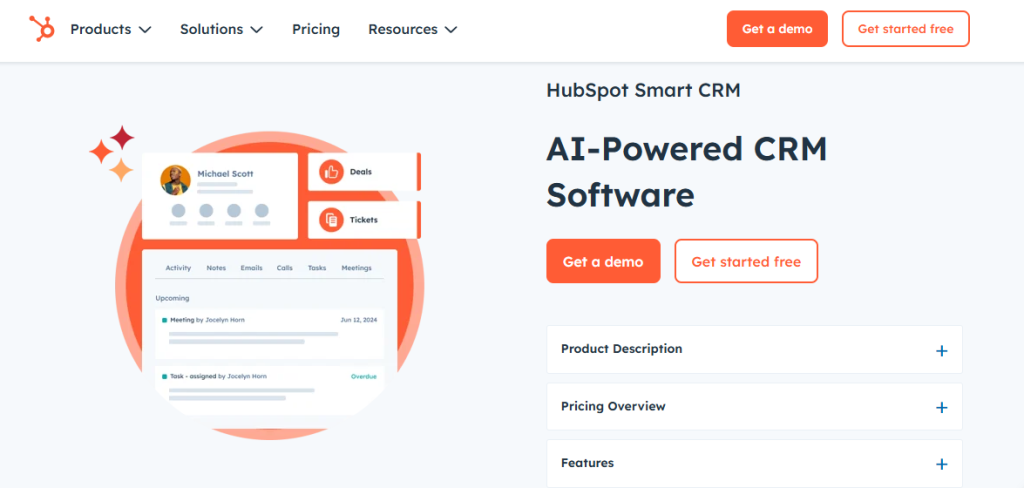
A robust customer relationship management system that integrates customer data, tracks interactions, and enhances engagement. HubSpot CRM provides automation, sales pipeline tracking, and AI-powered insights to help teams personalize customer interactions. With centralized customer data, businesses can improve lead nurturing, streamline workflows, and drive long-term retention.
4. SurveyMonkey
A user feedback tool that enables product managers to collect valuable insights, analyze responses, and refine product strategies. It offers customizable surveys, sentiment analysis, and reporting tools to gauge customer satisfaction. With real-time feedback, businesses can make informed decisions and enhance product features based on user preferences.

5. Drift
A top AI-powered conversational marketing and customer engagement tool, Drift helps businesses provide real-time support and personalized interactions through AI chatbots. It allows product managers to automate conversations, gather customer insights, and streamline communication.
By leveraging AI-driven conversations, Drift enhances lead generation, customer engagement, and retention. Its real-time messaging capabilities ensure businesses can provide instant solutions, improving user satisfaction and driving conversions.

Features of Top CX Tools
1. User Feedback & Survey Tools
Gathering customer insights is essential for making data-driven decisions. Tools like SurveyMonkey and Trustpilot help product managers collect structured feedback through surveys, allowing them to measure customer satisfaction and identify potential areas for improvement.
These platforms offer customizable survey templates, real-time analytics, and AI-powered sentiment analysis, which enable teams to extract meaningful insights from customer responses. By actively listening to customer feedback, product teams can refine product features, address pain points, and create a better user experience that aligns with customer expectations.
2. AI-Powered Chatbots
Chatbots play a vital role in enhancing customer support by offering real-time assistance. Tools like Drift, Freshchat, and Tidio use artificial intelligence to engage with users, answer questions, and provide personalized recommendations. These platforms reduce response time, improving customer satisfaction and automating repetitive support tasks.
Additionally, chatbot interactions generate valuable data that product managers can analyze to better understand common customer concerns. By leveraging AI-driven insights, businesses can refine their support strategies, improve product documentation, and enhance overall user engagement.
3. Customer Support & Ticketing Systems
Efficient customer support is essential for a great CX. Platforms like Zendesk and LiveChat provide comprehensive ticketing systems, live chat functionality, and self-service knowledge bases. These tools help streamline communication between customers and support teams, ensuring quick issue resolution.
By analyzing customer support data, product managers can identify recurring problems, optimize workflows, and make strategic product improvements. Additionally, robust customer support tools reduce churn by proactively addressing concerns and improving customer relationships through seamless and efficient interactions.
4. Sentiment Analysis & Voice of Customer (VoC) Tools
Understanding customer emotions is crucial for refining product strategies. AI-powered tools like Qualtrics and Medallia analyze feedback from surveys, social media mentions, and product reviews to identify sentiment trends.
These insights help product managers understand what users love about a product and what needs improvement. Sentiment analysis tools provide real-time alerts for negative feedback, allowing teams to address concerns promptly. By leveraging VoC data, product managers can make informed decisions to enhance customer experience, improve brand reputation, and increase customer loyalty.
5. Customer Relationship Management (CRM) Systems
A robust CRM system is crucial for tracking user engagement and interactions. Tools like HubSpot and Salesforce centralize customer data, including purchase history, support interactions, and feedback, enabling businesses to create personalized experiences. CRM systems help product managers identify trends, segment users, and develop targeted marketing strategies.
These platforms also improve collaboration between sales, support, and product teams, ensuring a holistic approach to customer relationship management. By leveraging CRM insights, businesses can increase customer retention, drive upsells, and improve overall customer satisfaction.
6. Heatmaps & Session Recording Tools
Understanding how users interact with a product is key to optimizing the user experience. Tools like Hotjar and Crazy Egg provide heatmaps and session recordings that allow product managers to visualize user behavior. By analyzing clicks, scroll depth, and navigation patterns, teams can identify friction points and make necessary design improvements.
These insights help optimize landing pages, improve conversion rates, and enhance usability. With data-driven insights from heatmaps, product managers can ensure a smoother and more intuitive customer journey, ultimately increasing engagement and satisfaction.
Benefits of Using CX Tools for Product Management
1. Enhanced Customer Satisfaction
By leveraging CX tools, product managers can actively address customer pain points and optimize product features to deliver a seamless user experience.
Real-time feedback collection and AI-driven insights enable proactive improvements, resulting in higher customer satisfaction and brand loyalty. When businesses prioritize CX, customers are more likely to remain engaged, advocate for the brand, and contribute to long-term success.
2. Data-Driven Decision Making
CX tools provide comprehensive analytics that help product managers make informed decisions. From sentiment analysis to user behavior tracking, these insights guide strategic planning, product development, and feature enhancements.
Data-driven decision-making minimizes guesswork and ensures that every change or update aligns with customer needs and business goals, ultimately leading to a more effective product strategy.
3. Improved Customer Retention
Retaining customers is more cost-effective than acquiring new ones. CX tools help product managers identify churn risks, understand customer needs, and implement targeted retention strategies.
By continuously improving user experience through insights from feedback, heatmaps, and support data, businesses can strengthen customer relationships and build brand loyalty, leading to long-term growth and stability.
4. Competitive Advantage
A seamless customer experience sets businesses apart from competitors. By utilizing top CX tools, product managers can stay ahead of market trends, anticipate customer needs, and optimize products to meet evolving demands. Businesses that invest in CX gain a reputation for superior service, attracting more users and outperforming competitors in customer retention and satisfaction.
How to Choose the Right CX Tool
1. Define Business Goals
Before selecting a CX tool, it is crucial to identify key business objectives. Whether the goal is to improve support, enhance engagement, or optimize user experience, aligning the tool’s capabilities with business needs ensures maximum value. Clearly defining goals helps in narrowing down the best solution that aligns with strategic priorities.
2. Evaluate Integration Capabilities
Choose CX tools that seamlessly integrate with existing software like CRM systems, analytics platforms, and support channels. Proper integration ensures smooth data flow and improves workflow efficiency across teams. A well-integrated tool reduces silos, enhances collaboration, and enables businesses to extract actionable insights without disrupting existing processes.
3. Prioritize AI & Automation Features
AI-powered tools streamline processes, automate repetitive tasks, and provide predictive insights. Selecting a tool with advanced automation enhances productivity and customer engagement. Features such as automated chat responses, sentiment analysis, and predictive analytics help businesses optimize interactions and improve customer experience with minimal manual intervention.
4. Consider Scalability
As businesses grow, CX requirements evolve. Selecting a tool that scales with business growth ensures long-term success. A scalable solution should accommodate increasing customer interactions, expand functionalities as needed, and integrate with additional platforms as the company’s needs change over time.
5. Analyze Reporting & Analytics Features
Comprehensive reporting capabilities provide actionable insights into customer behavior, satisfaction levels, and support performance. Choosing a tool with real-time analytics, customizable dashboards, and detailed reporting features helps businesses monitor trends and make data-backed decisions that enhance customer experience and drive growth.
Conclusion
Investing in the right CX tools is essential for product managers looking to enhance customer satisfaction, drive engagement, and improve product success.
By leveraging user feedback platforms, AI-driven chatbots, CRM systems, heatmaps, and sentiment analysis tools, businesses can optimize their customer experience strategies. Selecting the right tool based on business goals, integration needs, and scalability ensures long-term success in a competitive market.
