
Help Desk Management: Features, Benefits, and Strategies
Effective help desk management is essential for delivering high-quality customer support and maintaining seamless operations. Whether it’s resolving technical issues, addressing service inquiries, or providing real-time assistance, a well-organized help desk ensures that users receive prompt, efficient help. Managing a help desk goes beyond simply answering queries.
it involves deploying the right tools, systems, and strategies to improve service delivery, boost customer satisfaction, and streamline internal processes.
In this article, we’ll dive into the key features of modern help desk systems, explore the benefits they offer, and outline seven proven strategies to help you succeed in managing a help desk efficiently and effectively. Whether you’re running an internal IT help desk or managing customer support for a product or service, mastering these strategies can transform your operations and elevate your team’s performance.
What is Help Desk Management?

Help desk management involves the processes, tools, and people responsible for handling and resolving technical issues, service requests, and inquiries efficiently. It serves as the bridge between service providers and their users, ensuring swift issue resolution and helping maintain smooth operations.
A well-organized help desk team is essential for:
- Ensuring customers get fast solutions to their issues.
- Enhancing user experience and loyalty.
- Monitoring service performance and generating actionable insights for future improvements.
- Reducing downtime and maintaining productivity.
Key Features of a Help Desk System
A modern help desk system is equipped with various features that streamline the support process and improve overall efficiency. Here are some of the core features every help desk should include:
1. Ticketing System
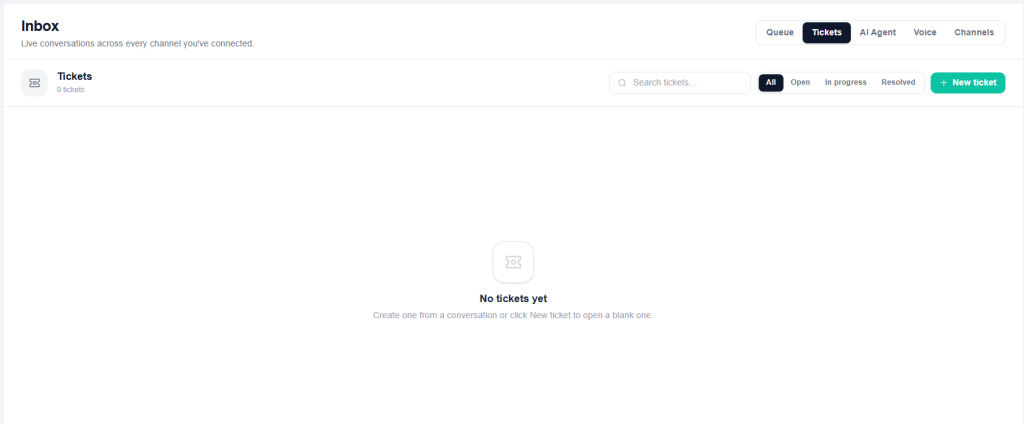
A robust ticketing system is the heart of any help desk. It automatically converts user inquiries into tickets that can be assigned to agents, tracked through different stages, and resolved systematically. Each ticket has a unique identifier and can be prioritized based on urgency.
2. Knowledge Base/FAQs

A self-service portal or knowledge base helps users find answers to common issues without needing direct assistance from support agents. This reduces the volume of incoming tickets and empowers users to solve problems independently.
3. Multi-Channel Support
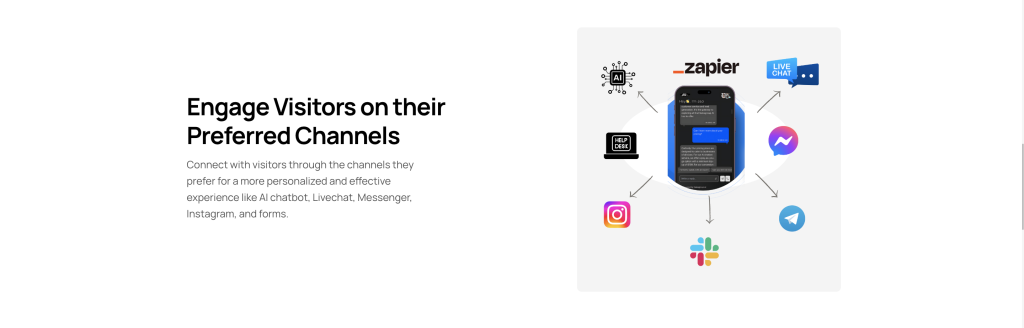
Modern help desks offer multi-channel support through various communication methods, email, live chat, phone, and social media integration. This ensures users can reach the help desk through their preferred channel.
4. Automation and AI-Powered Chatbots
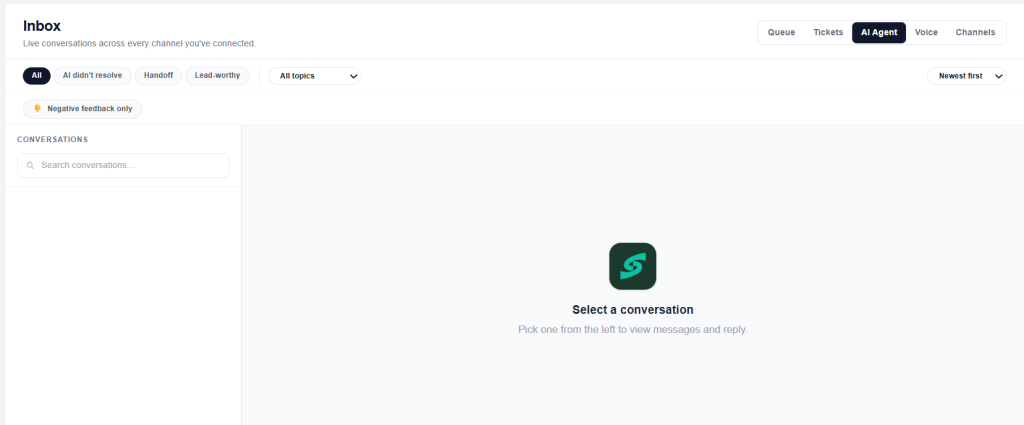
Automation helps streamline repetitive tasks such as routing tickets, setting reminders, and triggering follow-up emails. AI-powered chatbots can handle simple requests, reducing the workload for human agents and speeding up response times.
5. Performance Analytics
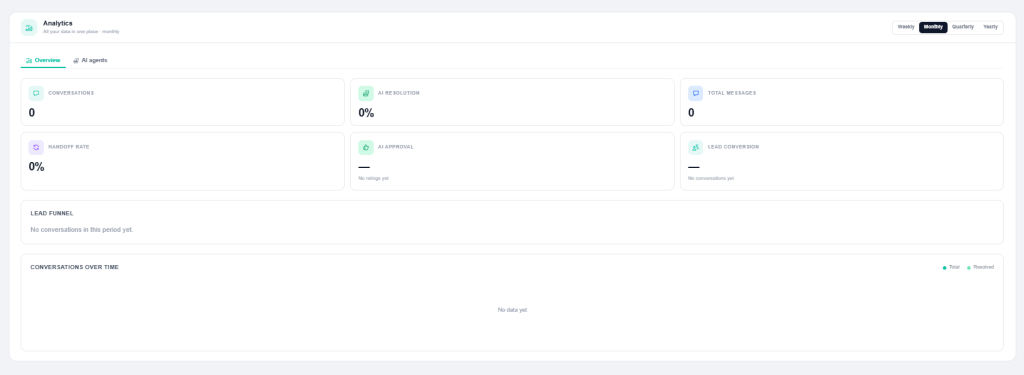
Help desk software typically includes analytics and reporting tools to monitor key performance indicators (KPIs) such as response times, resolution rates, customer satisfaction (CSAT) scores, and agent performance. These insights are crucial for continuous improvement.
6. SLA (Service Level Agreement) Management
SLA management tools help ensure that support teams meet predefined response and resolution times, minimizing the risk of breaching contracts with customers.
7. Collaboration Tools
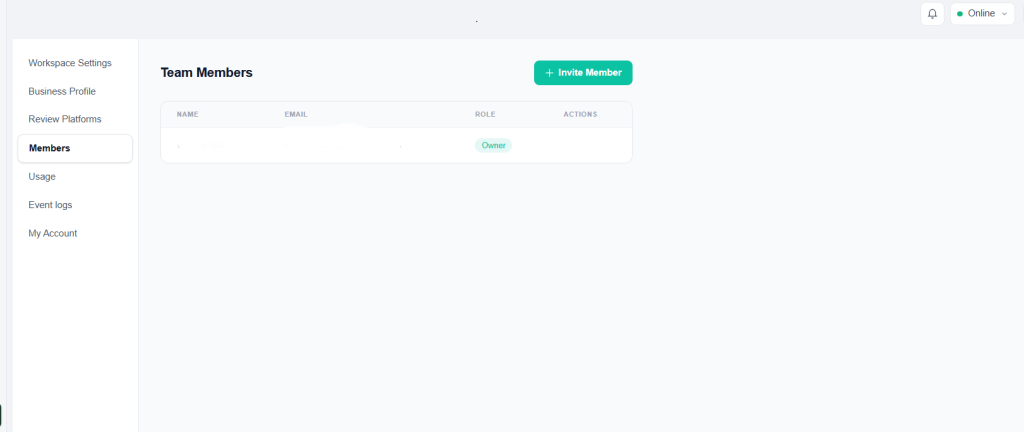
Collaboration tools allow agents to work together on complex issues. Features such as internal notes, file sharing, and real-time messaging ensure that issues are resolved faster, with the combined expertise of multiple team members.
8. Mobile Accessibility

With mobile-friendly help desk platforms, agents can access tickets and resolve issues from anywhere. This is particularly useful for support teams that need to stay connected while on the go.
7 Strategies for Success in Help Desk Management
1. Implement Strong Ticket Prioritization
Not all issues are created equal. Prioritize tickets based on urgency and impact on the business or user. Critical issues (like system outages) should be handled immediately, while minor issues can be addressed afterward. Assign categories, severity levels, and response deadlines to each ticket. SalesGroup AI simplifies this process by automatically categorizing and prioritizing incoming tickets, ensuring your team always focuses on what matters most first.
2. Develop a Comprehensive Knowledge Base
Creating a comprehensive knowledge base allows users to resolve simple issues on their own, reducing the volume of support requests. Include FAQs, how-to guides, and troubleshooting steps for common issues. Keep it updated with the latest information. With SalesGroup AI, you can build and maintain a dynamic knowledge base that your AI agent draws from to deliver instant, accurate answers — cutting down support volume without cutting corners on quality.
3. Offer Multi-Channel Support
Ensure your help desk is available across different channels to meet the preferences of your diverse user base. Whether it’s through email, live chat, phone calls, or social media, make it easy for customers to get in touch with your support team. SalesGroup AI supports multi-channel deployment, so your customers can reach you on their preferred platform and always receive a consistent, high-quality response.
4. Leverage Automation
Use automation to streamline repetitive tasks such as ticket assignment, sending automated responses, and following up on unresolved issues. This helps reduce human error and frees up your agents to focus on more complex tickets that require human intervention. SalesGroup AI takes automation further by handling routine queries end-to-end, routing escalations intelligently, and sending timely follow-ups — all without manual input from your team.
5. Monitor and Optimize KPIs
Track important KPIs such as average response time, resolution time, ticket backlog, and customer satisfaction scores. Regularly reviewing these metrics will allow you to identify bottlenecks and make data-driven improvements to your service. SalesGroup AI provides built-in performance insights that give your team a clear view of how your help desk is performing, so you can make smarter decisions backed by real data.
6. Provide Regular Training for Agents
Your help desk agents are your front line. Regular training is essential to ensure they’re equipped with the latest knowledge about your product or service, as well as the soft skills needed for handling customer interactions. Empower them with tools for continuous learning and real-time coaching. SalesGroup AI supports agent growth by surfacing relevant information in real time, helping agents resolve issues faster and build confidence with every interaction.
7. Encourage Team Collaboration
Encourage agents to collaborate and share insights on difficult tickets. Use collaborative tools to allow multiple agents to work on the same issue, ensuring faster and more effective resolutions. Sharing best practices within the team improves efficiency and enhances the customer experience. SalesGroup AI makes team collaboration seamless by giving your agents a shared platform where they can escalate tickets, flag complex issues, and align on resolutions in real time
Benefits of Efficient Help Desk Management
When implemented effectively, these strategies offer significant benefits, including:
- Improved Customer Satisfaction: Faster resolution times and a seamless support experience lead to happier customers and long-term loyalty.
- Increased Agent Productivity: Automation and efficient ticket routing reduce agent workload and enable them to focus on higher-priority tasks.
- Better Insights: Analytics tools provide valuable insights into customer pain points, enabling continuous improvements in your service offerings.
- Cost Savings: A well-managed help desk can reduce operational costs by increasing first-contact resolution rates and minimizing the need for escalations.
- Stronger Business Relationships: Meeting or exceeding SLAs fosters trust and ensures strong, lasting relationships with customers.
Related: How to Deal with Angry Customers
Conclusion
Help desk management is a crucial part of maintaining smooth operations and ensuring customer satisfaction. By understanding key features such as ticketing systems, multi-channel support, and knowledge bases and by implementing the strategies outlined above you can elevate your help desk to provide exceptional service. Whether you’re a small business or a large enterprise, adopting best practices in help desk management will lead to long-term success.
