

The Role of AI in Brand Reputation
Brand reputation is the way a brand is perceived by the targeted audience, stakeholders, and public. Brand reputation encompasses all emotions, opinions, and beliefs that people have about a brand, which are directly linked to the experiences they go through, communication in marketing, and word-of-mouth.
A strong brand reputation can drive customer loyalty, increase revenue, and establish trust; a negative reputation can hurt sales and destroy trust.
Brand reputation management has never been more challenging in today’s fast-moving digital space. Social media, online reviews, and instant communication have meant that in mere moments, the image of a brand can shift. Artificial Intelligence offers transformative capabilities in enhancing brand reputation management through automation, analysis, and actionable insights.
Benefits of AI in Brand Reputation
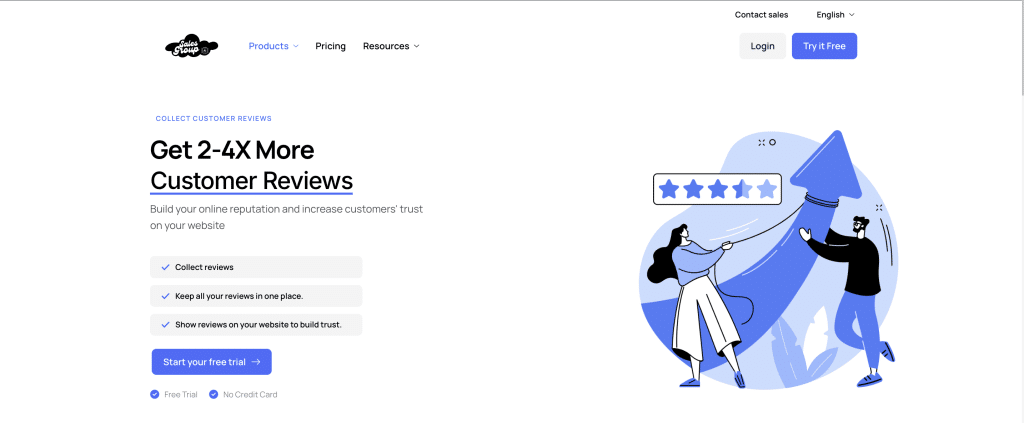
AI has numerous advantages regarding the management and improvement of brand reputation. A few key advantages are listed below:
Real-time Monitoring
AI-powered tools can monitor millions of online conversations, news articles, and social media mentions in real-time. This helps businesses stay updated with what people are saying about their brand and address issues before they escalate.
Better Customer Insights
AI can analyze a lot of customer data to identify trends, preferences, and pain points. By understanding what customers cherish, it will help the brand position its offerings and work toward improving its communication strategy in building a positive reputation.
Improved Crisis Management
AI can help analyze social media trends and online discussions for early detection of negative sentiment and potential crises. Predictive algorithms can offer early warnings that allow brands to take quick action and limit damage.
Personalized Customer Experience
With AI comes great enablement for brands to offer personalized experiences through targeted marketing campaigns, curated recommendations, and responsive customer service. Personalization comes out with improved customer satisfaction, enhancing brand reputation.
Data-Informed Decision Making
AI simplifies complex data analysis, thus providing actionable insights that will inform strategic decisions. AI helps brands find the gaps in their reputation strategy and implement improvements based on data.
Competitive Analysis
AI tools can also monitor the activities of competitors and the general perception from the public. By understanding their competitors’ strong and weak points, brands can position themselves in the marketplace more effectively.
AI Applied to Brand Reputation Management
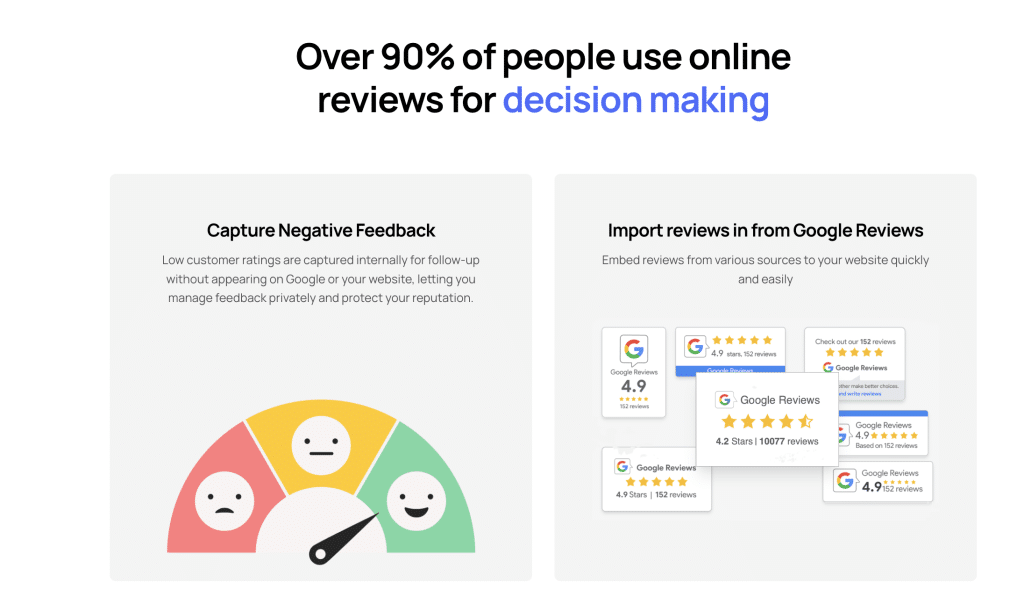
AI technologies are very versatile and can be applied in numerous ways to manage and enhance brand reputation. Some detailed use cases are listed below:
Sentiment Analysis
The AI-driven Sentiment Analysis tools analyze online conversations, reviews, and comments to establish the sentiments as positive, negative, or neutral. In addition, brand monitoring of trends in sentiment allows them to understand how the public perceives them and thus enables necessary precautions in advance or amplifies positive feedback.
For instance, suppose there is some sort of product launch that ultimately causes a huge number of negative comments on social media. The AI tools will point out exactly what has gone wrong, a defect in the product or miscommunication and even suggest corrective actions to take.
Social Listening
Social media serves as a strong channel for customers to voice their opinions and share experiences. AI-powered tools, including Brandwatch or Hootsuite Insights, can monitor mentions, hashtags, and keywords related to a brand. These tools highlight customer sentiment, emerging trends, and potential issues.
By leveraging social media listening, brands can identify and engage with influencers, respond to customer inquiries, and resolve complaints promptly, showcasing their commitment to customer satisfaction.
Automated Customer Support
With AI-powered chatbots and virtual assistants, most of the customer queries can now be taken care of all day and night. This saves time for support, provides instant support, and efficiently resolves issues, hence offering a positive experience to the customers.
More sophisticated chatbots study customer emotions and adjust responses to assure satisfaction.
One example among many: An online store chatbot can save an unhappy client by processing their request for a refund or, alternatively, proposing other merchandise that might answer their interests, thus frustrating less and protecting a brand’s reputation.
Predictive Analytics
Predictive analytics relies on AI algorithms that predict further reputation risks based on previous data and ongoing trends. This could involve highlighting specific trends that may lead to adverse publicity, like falling product quality or ‘controversy’ advertising.
Predictive insights give brands the insight to make informed decisions: revise marketing strategies or operational issues that can impact customer perception.
Feedback Review and Analysis
AI can analyze customer reviews and feedback from various platforms and identify common themes and sentiments. It helps the brand understand what customers love in their products and services, along with what needs improvement.
For example, AI can analyze reviews of restaurants and show that people constantly give good remarks for the food while criticizing the service. Thus, the restaurant will have to focus on staff training to improve its reputation.
Optimization of Content
A brand can, therefore, apply AI-powered tools to produce quality, engaging content through tools like Wordwriter. It ensures clarity and precision in the marketing message while remaining true to the brand value, thus commanding trust.
Moreover, AI can recommend topics and formats that best resonate with the target audience, further helping to ensure positive engagement and perception of the brand.
Identification and Collaboration of Influencers
AI tools can identify influencers whose values and audience align with the brand by analyzing metrics such as engagement rates, follower demographics, and past collaborations to recommend the best influencers for a brand’s reputation-building campaigns.
That means collaboration with the right influencers brings in credibility, increases reach, and improves brand reputation by association.
Competitor Monitoring
AI enables brands to monitor competitors’ moves, their marketing campaigns, customer feedback, and even public perception. This will help the brands in identifying opportunities and challenges while positioning themselves in the marketplace.
For example, when there is backlash against a competitor regarding a poor decision, for instance, it presents the chance for a brand to remind others that ethical considerations form part of its daily operation. In that way, such a brand may be increasing its good reputation.
Moderation of Content
AI-powered tools can monitor, moderate, and track user-generated content from websites, forums, or social media. This filtering out of harmful or inappropriate content helps in maintaining a safe and respectful environment online, reflecting well on the brand’s reputation.
Employee Advocacy and Training
AI can help in training employees to become brand ambassadors. AI-powered learning platforms can train employees on brand values, customer service best practices, and effective communication strategies. Empowered employees who live the ethos of the brand contribute to a better reputation.
Challenges in Using AI for Brand Reputation
While AI has immense potential, there are also challenges:
- Data Privacy Concerns: Poor management of customer data can bring a dent to brand reputation; hence, brands must take into consideration data security and its regulation.
- Bias in AI Algorithms: AI models might give a bias for biased training data that could result in biased insights or practices.
- Human Touch: Of course, there’s a feeling of impersonality in interactions with customers if a company relies too much on AI. A brand has to balance automation with human empathy if it is to remain in good books.
Conclusion
AI has transformed the way brands manage and improve their reputation. From real-time monitoring and sentiment analysis to personalized customer experiences and predictive analytics, AI arms the brand with the power of proactivity and responsiveness in a dynamic digital landscape.
By using AI responsibly, businesses can build trust and loyalty and achieve a competitive advantage in the marketplace. With the rise of technology, so does AI’s responsibility in enhancing brand reputation, which is more importantly going to be an indispensable tool that keeps businesses thriving in these modern times.
