
The Best Chatbot Alternatives: Features, Benefits, and Comparisons
It is expedient that businesses respond promptly to customer inquiries, provide seamless support, and deliver personalized experiences. This is where communication tools like live chat platforms play a pivotal role. Among these tools, Chatbot has emerged as a popular choice due to its affordability and functionality. However, it may not always meet the evolving needs of businesses, particularly those looking for advanced automation, scalability, or deeper customization.
This article delves into why businesses may seek alternatives to Chatbot, highlighting its limitations and exploring top competitors. With a detailed comparison of features, benefits, and drawbacks, this guide aims to help you find a chat platform that perfectly aligns with your company’s unique goals.
Why Live Chat Platforms Are Essential for Modern Businesses
Live chat platforms have become indispensable tools for modern businesses, serving as more than just communication channels. They are strategic assets that significantly enhance customer engagement and overall satisfaction. Here’s a deeper look into why businesses heavily rely on live chat solutions:
1. Instant Support
Today’s customers expect quick responses to their inquiries. A delay can result in frustration or lost business. Live chat platforms excel by providing real-time assistance, allowing businesses to address customer concerns immediately. This instant interaction not only resolves problems faster but also demonstrates that the business values its customers’ time.
2. Boosted Conversions
Engaging with customers during critical moments, such as when they are browsing a website or comparing products, can directly influence their decision-making process. Live chat platforms enable businesses to answer questions, offer recommendations, and alleviate concerns in real-time, effectively nudging customers toward completing a purchase. Studies consistently show higher conversion rates for businesses that use live chat strategically.
3. Actionable Customer Insights
One of the less obvious but equally valuable benefits of live chat tools is their ability to provide rich analytics. These platforms track user behavior, common queries, and interaction patterns, offering businesses invaluable insights into customer preferences. This data helps businesses improve their products, tailor marketing strategies, and anticipate customer needs, ultimately creating a better overall experience.
4. Cost Efficiency
For businesses looking to manage resources effectively, live chat platforms offer significant savings. By automating routine inquiries with chatbots or streamlined workflows, these tools reduce the burden on support teams. This efficiency enables businesses to handle higher volumes of customer interactions without increasing staff, keeping operational costs low while maintaining high-quality service.
5. Enhanced Customer Satisfaction
A well-executed live chat system ensures that customers leave with their issues resolved and their expectations met, fostering greater loyalty. The ability to provide personalized and prompt assistance strengthens the relationship between businesses and their customers, leading to long-term retention and positive word-of-mouth.iness requirements. For many, the limitations of Chatbot prompt them to explore alternatives.
Why Look for Chatbot Alternatives?
Chatbot is a reliable and budget-friendly platform that provides businesses with essential tools for customer communication. It offers features like live chat, ticket management, and visitor monitoring, making it a popular choice among small and medium-sized businesses. However, as companies grow or face unique challenges, Chatbot’s limitations become apparent.
Here are some reasons businesses seek alternatives:
1. Limited Automation Capabilities
Chatbot supports basic customer interactions but lacks advanced AI-powered automation. For businesses that handle a high volume of repetitive queries, this can result in inefficiencies. Many alternatives offer sophisticated chatbots powered by AI and machine learning, enabling businesses to automate processes such as answering FAQs, booking appointments, or providing product recommendations.
2. Customization Constraints
While Chatbot offers basic customization options, its design and integration capabilities fall short for businesses with specific branding requirements. Competitors often provide greater flexibility in customizing chat widgets, interfaces, and workflows, allowing businesses to create a seamless experience that aligns with their brand identity.
3. Scalability Issues
For rapidly growing businesses, Chatbot’s scalability can be a challenge. The platform’s features may not be robust enough to support enterprise-level operations or handle high volumes of customer interactions across multiple channels.
4. Integration Limitations
Integrating Chatbot with other tools like customer relationship management (CRM) software, e-commerce platforms, or marketing tools can be limited. Businesses often need platforms that offer a wider range of integrations to streamline workflows.
By exploring alternatives, companies can address these limitations and find a platform tailored to their needs.
Related: 10 Best Tawk.to Alternatives and Competitors
What Businesses Seek in a Chatbot Alternative
When evaluating alternatives, it’s essential to identify the features that are most important for your business. Here are the key aspects users typically prioritize:
1. AI-Powered Chatbots
Advanced AI capabilities enable chat platforms to automate repetitive tasks, understand natural language, and provide personalized interactions. Features like sentiment analysis and intent recognition enhance customer experiences.
2. Seamless Integrations
Integrations with CRMs, helpdesk software, e-commerce platforms, and marketing tools are essential for streamlining workflows. A platform that integrates seamlessly with your existing tools can improve efficiency.
3. Customizability
Businesses value platforms that allow them to tailor chat widgets, workflows, and interfaces to match their branding and operational needs.
4. User-Friendly Interfaces
For teams with varying levels of technical expertise, a platform with an intuitive interface is a priority. It ensures ease of use and reduces training time.
5. Omnichannel Support
Supporting multiple communication channels such as web, mobile apps, and social media is crucial for businesses to engage customers wherever they are.
6. Advanced Reporting and Analytics
Data-driven insights into customer interactions, response times, and satisfaction levels help businesses optimize their communication strategies.
The Top 10 Chatbot Alternatives
1. SalesgroupAI
SalesgroupAI is a leading chatbot platform designed for businesses focused on sales, marketing, and customer support. With AI-driven automation and robust integrations, it helps companies enhance customer engagement and drive conversions.
Key Features:
- AI-powered chatbots for personalized customer interactions.
- Built-in analytics for tracking customer behavior and performance.
- Seamless integration with CRMs like Salesforce and HubSpot.
- Omnichannel support, including email, social media, and websites.
Pros:
- Powerful lead generation and qualification tools.
- Highly customizable workflows.
- Scalable for businesses of all sizes.
Cons:
- Premium features can be costly for small businesses.

2. Intercom
Intercom excels in providing AI-driven customer engagement tools. It’s ideal for businesses seeking a scalable platform with advanced features.
Key Features:
- Conversational bots powered by machine learning.
- Customizable chat widgets and workflows.
- Over 250 integrations with tools like Slack and Shopify.
Pros:
- Excellent scalability for growing businesses.
- Robust analytics and reporting tools.
Cons:
- Steep learning curve for non-technical users.

3. Drift
Drift is a chatbot platform designed for conversational marketing and sales. It helps businesses convert website visitors into leads through real-time engagement.
Key Features:
- AI-powered bots for lead qualification.
- Integration with CRMs like Salesforce and HubSpot.
- Advanced analytics for tracking customer journeys.
Pros:
- Excellent for B2B marketing teams.
- Strong focus on lead generation.
Cons:
- Pricing is high for smaller businesses.

4. Zendesk Chat
Zendesk Chat is part of the Zendesk Suite, making it a great option for businesses already using Zendesk for customer support.
Key Features:
- AI tools for automated responses.
- Real-time visitor monitoring.
- Integration with Zendesk Support and other tools.
Pros:
- Comprehensive support features.
- Easy integration with Zendesk Suite.
Cons:
- Requires a Zendesk subscription for full functionality.

Related: 10 Best Tidio Alternatives and Competitors
5. LiveChat
LiveChat is known for its intuitive interface and extensive features, making it an excellent choice for businesses prioritizing ease of use.
Key Features:
- User-friendly chat widget customization.
- Integration with over 170 tools.
- Ticketing system for offline support.
Pros:
- Simple setup and operation.
- Wide range of integrations.
Cons:
- Limited AI-driven features.

6. Freshchat
Freshchat is part of the Freshworks Suite, offering a modern messaging experience for customer engagement.
Key Features:
- AI-powered bots for automation.
- Contextual messaging across multiple channels.
- Integration with tools like Freshdesk and CRMs.
Pros:
- Excellent for omnichannel communication.
- Scalable and feature-rich.
Cons:
- Pricing can be steep for advanced plans.

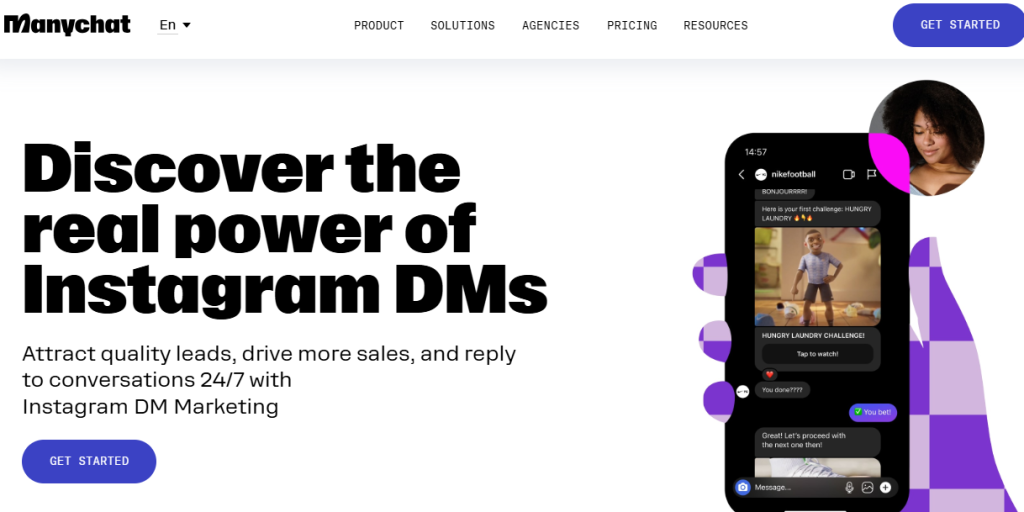
7. ManyChat
ManyChat is a popular choice for businesses focusing on social media engagement.
Key Features:
- AI-driven bots for platforms like Facebook Messenger and Instagram.
- Automation for customer interactions.
- Analytics to measure engagement success.
Pros:
- Specialized for social media platforms.
- Affordable pricing for small businesses.
Cons:
- Limited support for web-based chat.
8. Botpress
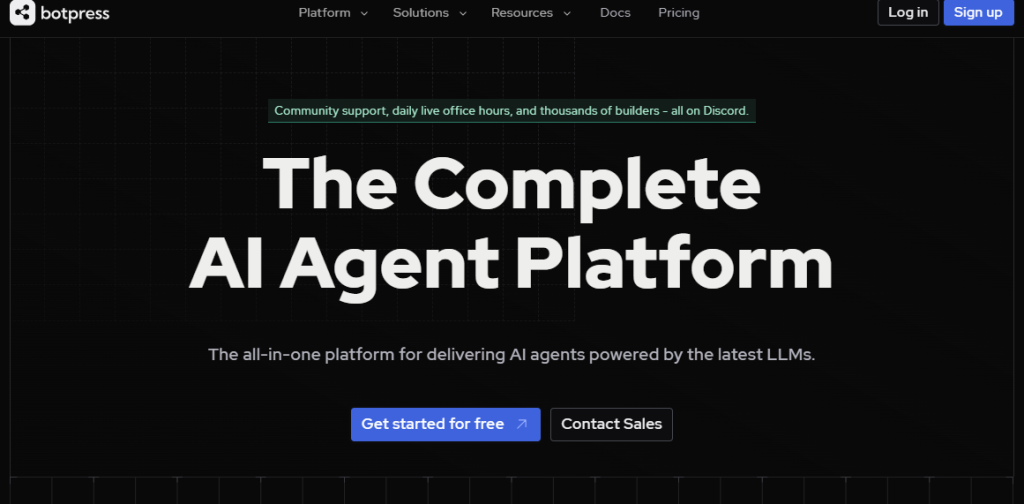
Botpress is an open-source chatbot platform ideal for businesses looking for full control over customization.
Key Features:
- Open-source framework for maximum flexibility.
- Advanced natural language processing (NLP) capabilities.
- Integration with a variety of platforms and tools.
Pros:
- Highly customizable for developers.
- Free version available for testing.
Cons:
- Requires technical expertise for setup and maintenance.
9. HubSpot Chat
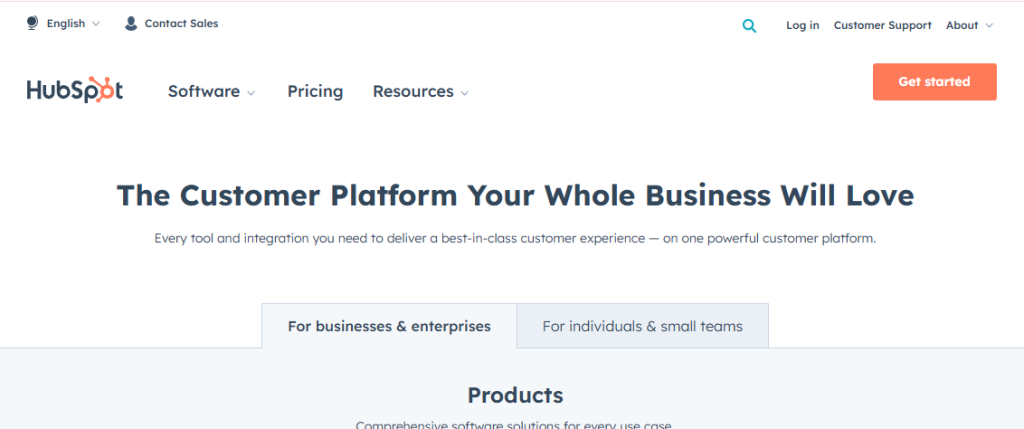
HubSpot Chat is part of the HubSpot CRM platform, making it an excellent choice for businesses already using HubSpot tools.
Key Features:
- AI-driven bots for lead generation.
- Seamless integration with HubSpot CRM.
- Pre-built templates for quick setup.
Pros:
- Perfect for marketing and sales teams.
- Free version available with essential features.
Cons:
- Advanced features require a HubSpot subscription.
Conclusion
Choosing the right chatbot platform depends on your business’s specific needs and goals. While Chatbot is a reliable option for many, exploring alternatives like SalesgroupAI, Intercom, or Zendesk Chat can offer advanced features and greater scalability.
Whether you prioritize AI-powered automation, seamless integrations, or omnichannel support, there’s a platform on this list that fits your requirements. Evaluate these options carefully to find the best solution for enhancing customer engagement and achieving your business objectives.
