

What is Customer Care? Definition and Examples
Customer care has evolved into a critical component of business success, especially in today’s customer-centric world. Businesses that excel in customer care don’t just retain customers; they turn them into loyal advocates. Whether you’re a professional in the customer service field or an individual curious about customer care, this guide provides a detailed breakdown of what customer care entails, why it’s vital, and how to do it right.
What Is Customer Care?

Customer care refers to the personalized attention and service businesses provide to ensure customers are satisfied, happy, and loyal. Unlike customer service, which often focuses on resolving specific problems or inquiries, customer care takes a broader approach by building lasting relationships through empathy, personalization, and genuine concern for customer well-being.
Related: Customer Perception: Definition and How to Improve
Why Is Customer Care Important for Business?
Customer care is the backbone of a successful and sustainable business. By fostering strong relationships with customers, businesses can enjoy a range of benefits that directly impact profitability, employee satisfaction, and long-term growth. Let’s explore why customer care is critical:
1. Boosts Customer Retention and Lifetime Value
When businesses prioritize customer care, they create a sense of trust and loyalty that keeps customers coming back. Repeat customers are far more valuable than acquiring new ones, as they are more likely to continue purchasing and engaging with the brand.
2. Attracts Referrals and Word-of-Mouth Marketing
Satisfied customers become brand advocates, spreading the word about their positive experiences. This organic marketing brings in new customers at no extra cost and enhances the brand’s visibility in the marketplace.
3. Builds Customer Loyalty
Excellent customer care creates emotional connections with customers, fostering loyalty. Loyal customers are not only likely to stick with your business but are also willing to overlook minor shortcomings because of the strong relationship you’ve built.
4. Enhances Brand Reputation and Promotes Branding
Brands known for exceptional customer care, such as Zappos and Amazon, have solidified their reputations as customer-centric organizations. A positive reputation builds trust with potential customers and differentiates your business in a crowded market.
5. Reduces Churn and Acquisition Costs
Investing in customer care reduces churn rates. When customers feel valued, they’re less likely to leave for competitors. This also lowers your acquisition costs, as retaining customers is significantly more affordable than replacing them.
Related: 10 Actionable Ways to Improve Customer Experience
Customer Care vs. Customer Service
While often used interchangeably, customer care and customer service are distinct concepts that play complementary roles in creating a great customer experience. Understanding the difference between the two can help businesses prioritize strategies that address both functional and emotional needs of their customers.
What Is Customer Care?
Customer care focuses on building relationships and creating meaningful connections with customers. It’s about ensuring they feel valued, respected, and supported throughout their interaction with the brand.
Key features of customer care include:
- Empathy: Understanding and addressing customers’ emotions.
- Personalization: Tailoring interactions to meet unique customer preferences.
- Proactive support: Anticipating customer needs and resolving potential issues before they arise.
What Is Customer Service?
Customer service refers to the direct assistance and support provided to customers before, during, and after they purchase a product or service. It addresses specific problems or queries in a timely, efficient, and professional manner.
Key features of customer service include:
- Problem-solving: Resolving customer issues quickly and effectively.
- Transactional focus: Delivering functional support for inquiries or concerns.
- Reactive approach: Responding to customer needs as they occur.

Key Differences Between Customer Care and Customer Service
| Aspect | Customer Care | Customer Service |
|---|---|---|
| Objective | Building long-term relationships | Resolving specific issues or inquiries |
| Approach | Proactive and emotionally focused | Reactive and solution-focused |
| Customer Interaction | Personalizes experiences to foster loyalty | Handles transactions and queries |
| Scope | Broad, ongoing connection with the customer | Narrow, issue-specific engagement |
| Examples | Remembering customer preferences and checking in regularly | Offering a refund for a defective product |
Why Businesses Should Prioritize Both
To deliver exceptional customer experiences, businesses need to integrate both customer care and customer service into their strategies. Here’s why:
- Customer Care Drives Loyalty: By showing empathy and personalization, businesses can turn customers into long-term advocates.
- Customer Service Ensures Satisfaction: Efficiently addressing problems helps maintain trust and prevents frustration.
- Combined Impact Creates Differentiation: A holistic approach combining care and service gives businesses a competitive edge in the market.
Examples of the Two in Action
- Customer Care: A coffee shop remembers a regular customer’s name and usual order, creating a personalized and welcoming experience.
- Customer Service: Resolving a customer’s complaint about a delayed delivery by refunding their shipping fees promptly.
Best Practices for Exceptional Customer Care
Delivering exceptional customer care goes beyond resolving issues—it involves creating a seamless and memorable experience that builds trust, loyalty, and long-term relationships. Below are some actionable best practices that businesses can adopt to elevate their customer care standards:
Customer care best practices
1. Prioritize Active Listening in Customer Interactions
One of the most important aspects of excellent customer care is active listening. This means giving full attention to the customer, understanding their concerns without interrupting, and acknowledging their issues before responding. Active listening builds trust and shows the customer that their voice matters, which is crucial for building long-term loyalty. Train your team to ask clarifying questions and repeat key points to ensure they fully understand the customer’s needs.
2. Provide Prompt and Personalized Responses
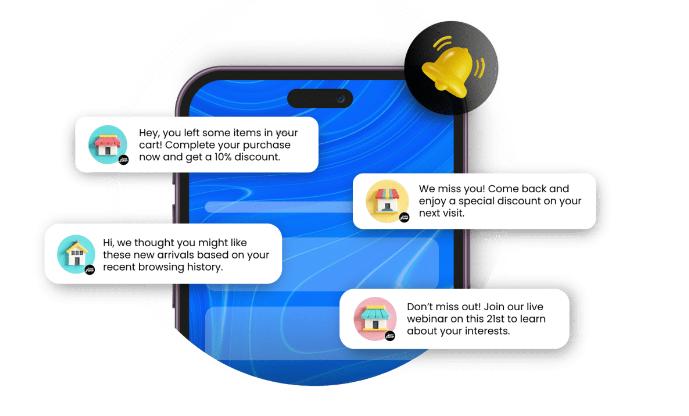
Customers expect quick responses to their inquiries. Delayed replies can lead to frustration and negative perceptions of your brand. Implement tools like chatbots for instant answers to common questions, but don’t neglect the human touch. Personalization is key, use the customer’s name, reference their previous interactions, and tailor responses to their specific situation. This creates a sense of value and shows you care about their experience.
3. Empower Your Customer Support Team
Your customer care team should have the authority to resolve common issues without needing multiple approvals. Empowerment enables faster problem-solving and improves customer satisfaction. Equip your team with comprehensive training, up-to-date information on your products or services, and tools to streamline their workflows. Empowered employees are also more confident and motivated to deliver excellent service.
4. Use Clear and Positive Communication
Effective communication is fundamental to customer care. Always use clear, concise, and easy-to-understand language. Avoid technical jargon unless necessary, and ensure explanations are tailored to the customer’s level of understanding. Adopt a positive tone even when delivering bad news, as it can soften the impact and show your commitment to finding solutions.
5. Leverage Customer Feedback to Improve Service
Customer feedback is a goldmine for understanding pain points and improving your services. Actively request feedback through surveys, reviews, and social media channels. Analyze recurring issues and implement changes to address them. Let customers know their input led to tangible improvements, which reinforces their trust in your business.
6. Be Proactive in Addressing Customer Needs
Proactive customer care involves anticipating customer needs before they voice them. Use data insights to predict potential challenges and offer solutions ahead of time. For example, if a shipment is delayed, notify the customer immediately and provide a new timeline. Proactive communication shows reliability and reduces potential frustration.
7. Maintain Consistency Across All Channels
Customers expect the same level of care whether they contact you via phone, email, social media, or in person. Consistency ensures a seamless experience and builds brand trust. Standardize your procedures, maintain a unified tone of voice, and ensure all team members are equally equipped to handle inquiries.
8. Handle Complaints Gracefully and Resolve Issues Quickly
Complaints should be viewed as opportunities to improve. Respond to complaints promptly, acknowledge the customer’s frustration, and provide a clear path to resolution. Focus on resolving the issue in a way that leaves the customer feeling heard and valued. Going the extra mile, such as offering compensation or discounts when appropriate, can turn negative experiences into positive ones.
9. Continuously Train and Support Your Customer Care Team
Ongoing training is essential for keeping your team updated on new products, tools, and customer care techniques. Regular workshops, role-playing scenarios, and knowledge-sharing sessions help team members stay sharp and confident. Supporting your team with mental health resources and stress management techniques is also crucial for maintaining high performance.
10. Measure and Analyze Customer Care Metrics
To ensure your customer care practices are effective, track key performance indicators like response times, resolution rates, and customer satisfaction scores. Regular analysis of these metrics helps identify areas for improvement and ensures your team meets or exceeds expectations. Use this data to refine your processes and align them with customer expectations.
Related: What Is Customer Value and How Can Businesses Maximize It?
Examples of Good Customer Care
- Amazon’s Hassle-Free Returns
Amazon prioritizes customer convenience by offering a simple, no-questions-asked return policy. For example, if a customer receives a damaged product, they can easily request a replacement or refund through Amazon’s app or website. The company even provides prepaid shipping labels to make the process stress-free.
- Zappos’ Above-and-Beyond Support
Zappos, an online shoe and clothing retailer, is known for its legendary customer care. In one notable case, a customer service representative helped a caller find a pair of shoes even though Zappos didn’t sell them, demonstrating their commitment to serving the customer rather than just making a sale.
- Starbucks’ Personalized Service
Starbucks baristas make it a point to remember regular customers’ names and drink preferences. This personalized touch fosters a welcoming environment that keeps customers coming back. For instance, if a customer receives the wrong order, Starbucks often replaces it immediately with a smile and offers a free drink voucher.
- Ritz-Carlton’s Empowered Employees
The Ritz-Carlton empowers its staff to go the extra mile for guests. In one famous story, a family staying at a Ritz-Carlton hotel left behind a child’s beloved stuffed giraffe. The hotel not only returned the toy but also sent photos of the giraffe enjoying a “vacation” at the hotel, turning a potentially upsetting situation into a memorable experience.
How to measure customer care
1. Customer Satisfaction Score (CSAT)
CSAT is a direct and effective way to measure how satisfied customers are with your products, services, or interactions. It typically involves asking customers to rate their experience on a scale, such as 1–5 or 1–10. After gathering responses, calculate the percentage of customers who gave positive scores (e.g., 4 or 5). A higher CSAT indicates better customer success.
For example, if 80 out of 100 respondents rate their experience as 4 or 5, your CSAT score is 80%. While simple, this metric provides valuable insights into how well your business meets customer expectations and highlights areas for improvement.
2. Net Promoter Score (NPS)
The NPS measures customer loyalty and their likelihood of recommending your brand to others. It involves asking a single question: On a scale of 0–10, how likely are you to recommend us to a friend or colleague?
Based on their answers, customers are divided into three categories:
- Promoters (9–10): Loyal customers likely to recommend your business.
- Passives (7–8): Satisfied but not enthusiastic customers.
- Detractors (0–6): Unhappy customers who may spread negative feedback.
To calculate NPS, subtract the percentage of detractors from the percentage of promoters. The score can range from -100 to +100. A positive score indicates more promoters than detractors, signaling customer success.
3. Customer Retention Rate (CRR)
Retention rate measures how effectively you retain your customers over a specific period. High retention rates indicate that customers find value in your offerings and are achieving their desired outcomes.
Calculate CRR using the formula: CRR = (Customers at End of Period − New Customers Acquired) zustomers at Start of Period×100\text{CRR} = \frac{(\text{Customers at End of Period} – \text{New Customers Acquired})}{\text{Customers at Start of Period}} \times 100 CRR = Customers at Start of Period(Customers at End of Period−New Customers Acquired)×100
For instance, if you start with 200 customers, gain 50 new ones, and end with 220 customers, your CRR is:CRR=(220−50)200×100=85%\text{CRR} = \frac{(220 – 50)}{200} \times 100 = 85\%CRR=200(220−50)×100=85%
This metric highlights whether your strategies effectively promote long-term customer success.
4. Customer Lifetime Value (CLV)
CLV measures the total revenue a customer is expected to generate for your business throughout their relationship with you. It reflects how successfully your company delivers value over time.
Calculate CLV using the formula: CLV=Average Purchase Value × Purchase Frequency × Customer Lifespan\text{CLV} = \text{Average Purchase Value} \times \text{Purchase Frequency} \times \text{Customer Lifespan}CLV=Average Purchase Value×Purchase Frequency×Customer Lifespan
For example, if a customer spends $50 per purchase, buys 4 times a year, and remains loyal for 5 years, their CLV is:CLV=50×4×5=$1,000\text{CLV} = 50 \times 4 \times 5 = \$1,000CLV=50×4×5=$1,000
Higher CLV signifies stronger customer success efforts, as it shows customers continue to derive value and invest in your brand over time.
Conclusion
Customer care is not just a department or task, it’s a mindset. By prioritizing empathy, personalization, and relationship-building, businesses can create loyal customers who drive long-term success. Evaluate your current customer care strategy today and invest in improvements to ensure your brand stands out in a competitive marketplace.
With great customer care, every interaction becomes an opportunity to create lasting impressions.
FAQs
What is the difference between customer care and customer support?
Customer support is a subset of customer care that focuses specifically on resolving technical issues or product-related problems. Customer care, on the other hand, is a broader philosophy that encompasses the entire customer relationship from the first interaction to long after a purchase is made. While customer support asks “how do we fix this problem?”, customer care asks “how do we make this customer feel valued at every stage?”
How can a business deliver good customer care with a small team?
A small team can deliver exceptional customer care by leveraging the right tools and prioritizing quality over quantity. AI-powered chatbots can handle routine inquiries instantly, freeing up human agents to focus on complex or emotionally sensitive interactions. Clear internal processes, well-trained staff, and a genuine commitment to customer satisfaction can help a lean team punch well above its weight.
How does customer care affect employee satisfaction?
There is a direct connection between customer care culture and employee morale. When businesses invest in empowering their customer care teams through proper training, clear guidelines, and the authority to resolve issues employees feel more confident and motivated in their roles. A positive customer care environment reduces workplace stress, lowers turnover, and attracts talent that genuinely values meaningful work.
