

Chatbot Marketing: Benefits and Tips
Chatbot marketing is a digital marketing technique that leverages AI-powered chatbots to engage with customers, provide personalized experiences, and promote products or services. These chatbots are programmed to simulate human-like conversations, offering instant responses to inquiries, guiding users through the customer journey, and delivering targeted messages based on user behavior or preferences.
Integrating chatbots into platforms like websites, social media, or messaging apps, can help businesses automate interactions, increase engagement, and build stronger customer relationships, all while operating efficiently and at scale.

Marketing Bots vs Ordinary Bots
The key difference between marketing bots and ordinary bots lies in their purpose and functionality, particularly in driving conversions.
Marketing bots are specifically designed to achieve business goals such as increasing sales, generating leads, or boosting customer engagement. These bots are optimized to guide users through the sales funnel, encouraging actions like signing up for newsletters, downloading resources, or making purchases. They use persuasive messaging, personalized recommendations, and call-to-action prompts to convert visitors into customers.
Ordinary bots, on the other hand, are more general-purpose and focus on tasks like providing customer support, answering frequently asked questions, or assisting with basic navigation. While they enhance user experience, their primary aim is not to drive conversions but to improve functionality or efficiency.
In essence, marketing bots are conversion-focused tools, while ordinary bots are utility-focused assistants.
Benefits of Chatbot Marketing
24/7 Availability
Chatbots operate around the clock, ensuring customers can engage with your business anytime, even outside business hours. This leads to improved customer satisfaction and retention.
Enhanced Customer Engagement
Chatbots provide personalized and instant responses, keeping users engaged with interactive conversations. They can recommend products, answer queries, and provide tailored solutions, fostering deeper connections with customers.
Lead Generation and Qualification
Marketing chatbots help capture leads by encouraging users to share contact details or sign up for newsletters. They can also qualify leads by asking targeted questions and directing high-quality prospects to sales teams.
Improved Conversion Rates
With their ability to guide customers through the sales funnel, chatbots can influence purchasing decisions. They offer real-time product recommendations, resolve objections, and provide discount codes, driving more sales.
Cost-Effective Solution
Chatbots reduce the need for large customer service teams, lowering operational costs. They handle repetitive tasks efficiently, allowing businesses to allocate resources to other strategic areas.
Scalability
Unlike human agents, chatbots can handle multiple conversations simultaneously, making them ideal for businesses dealing with a high volume of customer inquiries.
Personalization
Advanced chatbots use data from customer interactions to provide tailored experiences. By understanding user preferences and behavior, they deliver relevant messages, increasing the chances of engagement and conversion.
Faster Response Times
Chatbots eliminate wait times by providing immediate answers to customer inquiries. This speed enhances the overall user experience and reduces frustration.
Cross-Platform Integration
Chatbots can be deployed across various platforms, such as websites, social media, and messaging apps. This ensures a seamless customer journey, no matter where the interaction starts.
Data Collection and Insights
Chatbots gather valuable customer data during interactions, offering insights into user behavior, preferences, and common pain points. This information helps refine marketing strategies and improve products or services.
Increased Customer Retention
By providing consistent support and personalized interactions, chatbots enhance customer satisfaction, encouraging loyalty and repeat business.
Examples of Chatbot Marketing
Salesgroup AI

Jaci AI, developed by SalesGroup AI, emerges as a cutting-edge AI-powered chatbot designed to revolutionize customer interactions.
Drift
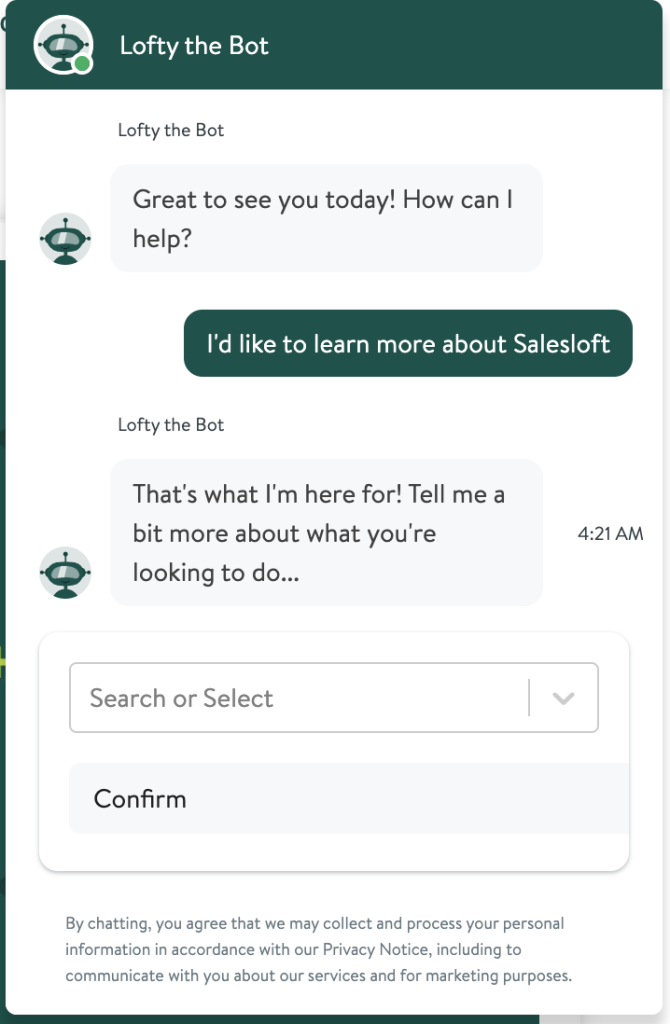
Drift’s chatbot engages website visitors, asks qualifying questions, and connects high-value leads to the sales team in real-time.
Purpose: Helps businesses generate and qualify leads efficiently.
LEGO Ralph
LEGO’s chatbot, Ralph, on Facebook Messenger helps customers choose the perfect LEGO set by asking about the recipient’s age, interests, and preferences.
Purpose: Provides tailored recommendations to improve the shopping experience.
L’Oréal Virtual Assistant
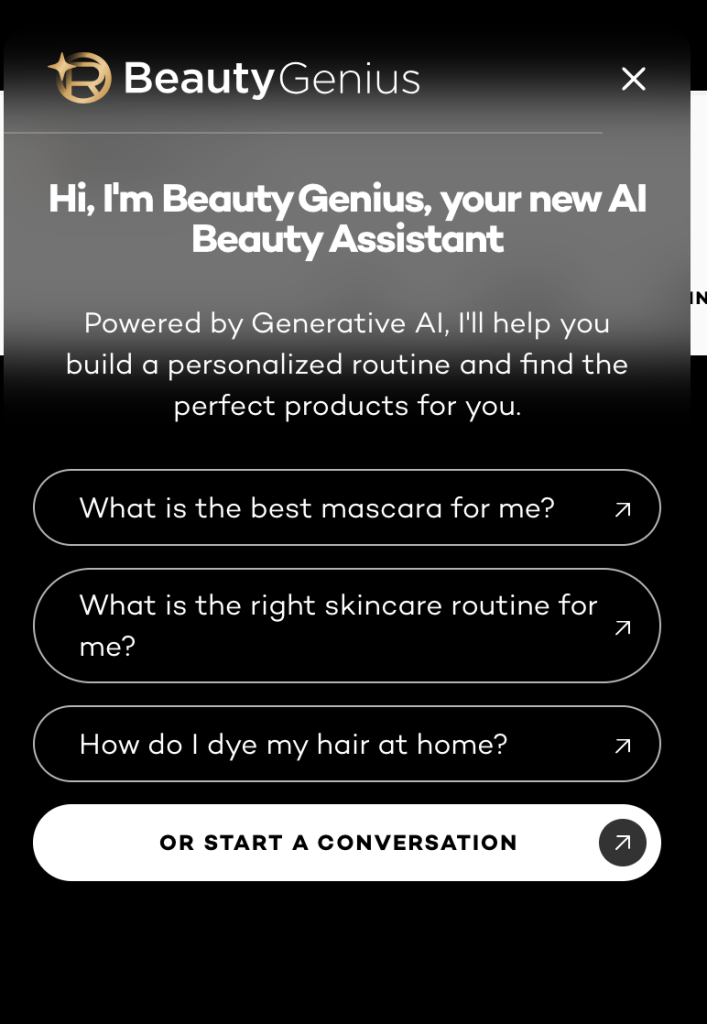
L’Oréal’s chatbot, available on messaging apps, provides beauty tips, product recommendations, and helps customers find the right shades.
10 Tips for an Effective Chatbot Marketing Strategy
Define Clear Goals
Identify the primary purpose of your chatbot, whether it’s lead generation, customer support, increasing sales, or boosting engagement. Clear objectives will guide its design and functionality.
Understand Your Audience
Research your target audience to identify their pain points, preferences, and communication style. Tailor the chatbot’s tone and features to resonate with your users.
Choose the Right Platform
Deploy your chatbot on platforms where your audience is most active, such as your website, Facebook Messenger, WhatsApp, or Instagram. This ensures maximum reach and usability.
Personalize Interactions
Use customer data to deliver personalized experiences, such as addressing users by name, remembering preferences, and providing tailored recommendations. Personalization improves user satisfaction and engagement.
Provide a Clear Value Proposition
Communicate the bot’s purpose upfront, whether it’s offering discounts, answering questions, or assisting with purchases. A clear value proposition encourages users to interact.
Optimize for Mobile Users
Ensure the chatbot is mobile-friendly, as many users will interact with it via smartphones. Focus on concise messaging and quick responses for a smooth mobile experience.
Integrate Seamlessly with CRM Systems
Connect the chatbot to your customer relationship management (CRM) tools to gather and analyze user data, improving lead generation and conversion rates.
Incorporate Call-to-Actions (CTAs)
Design your chatbot to guide users towards specific actions, such as signing up for newsletters, downloading resources, or making purchases. Include clear and engaging CTAs throughout the interaction.
Continuously Monitor and Optimize
Use analytics to track performance metrics like engagement rates, response accuracy, and conversion rates. Regularly update your chatbot based on user feedback and data insights.
Make Escalation Easy
Provide users with the option to connect with a human agent if their query is complex or unresolved. This ensures a better customer experience and reduces frustration.
FAQs
How can a chatbot help improve customer retention?
A chatbot enhances customer retention by providing 24/7 support, delivering personalized recommendations, and engaging users with timely reminders, such as restocking alerts or loyalty program updates. These interactions foster a positive user experience, encouraging repeat engagement.
Can chatbots integrate with other marketing tools?
Yes, chatbots can integrate with various marketing tools such as CRM systems, email marketing platforms, and analytics tools. This allows businesses to collect user data, nurture leads, and analyze chatbot performance for continuous improvement.
How do I ensure my chatbot reflects my brand voice?
Design your chatbot’s tone and personality to align with your brand identity. For example, a luxury brand may use formal language, while a youth-focused brand may opt for a playful and casual tone. Consistency with your branding builds trust and recognition.
What industries benefit the most from chatbot marketing?
Industries like e-commerce, travel, healthcare, real estate, and education see significant benefits from chatbot marketing. These bots assist with lead generation, customer service, appointment scheduling, and personalized product recommendations, making them versatile tools across sectors.
