

10 Best Customer Feedback Solutions for Enterprises
Customer feedback is a crucial component of business success. Enterprises must listen to their customers to enhance products, improve services, and maintain a competitive edge. Customer feedback solutions provide businesses with tools to collect, analyze, and act on customer insights efficiently.
These solutions help organizations understand customer preferences, identify pain points, and develop data-driven strategies to improve customer satisfaction and loyalty. By implementing structured feedback mechanisms, businesses can refine their offerings, improve customer relationships, and gain a competitive advantage in the market.
This guide explores the best customer feedback solutions available, their key features, and how businesses can choose the right one to enhance their customer service strategy.
What is Customer Feedback Software?
Customer feedback software is a tool designed to collect, manage, and analyze customer opinions, reviews, and suggestions across various channels. These platforms help enterprises track customer sentiment, monitor brand perception, and make informed business decisions.
By leveraging customer feedback software, businesses can enhance their customer experience, foster loyalty, and drive continuous improvement in their products and services. The ability to collect structured and unstructured feedback from multiple channels allows companies to address issues proactively, refine product development strategies, and optimize service delivery.
Advanced analytics and AI-powered insights further enable organizations to predict customer behavior, personalize interactions, and improve customer retention.
Customer Feedback Software Comparison Chart
| Software | Features | Platforms Supported |
|---|---|---|
| Salesgroup AI | AI-powered analytics, chatbot automation, real-time insights | Web, Email, Social Media, Chat |
| Zendesk | Omnichannel feedback collection, AI-powered analytics | Web, Email, Chat, Social Media |
| Tidio | AI chatbot integration, automated surveys, real-time feedback | Web, Email, Chat, Social Media |
| SurveyMonkey | Customizable surveys, data visualization, integrations | Web, Email, Social Media |
| Chatbot | AI-driven customer service automation, real-time interactions | Web, Email, Social Media, Messaging |
| Freshchat | Live chat support, AI-driven responses, omnichannel integration | Web, Mobile, Social Media, Chat |
| HubSpot Service Hub | Customer sentiment tracking, automated surveys, CRM integration | Web, Email, Chat |
| Trustpilot | Online review management, SEO optimization, customer insights | Web, Email, Social Media |
| Drift | Conversational marketing, AI-driven customer interactions | Web, Email, Social Media, Chat |
| LiveChat | Real-time customer support, chatbot automation, integration tools | Web, Email, Social Media, Chat |
The 11 Best Customer Feedback Solutions for Enterprises
1. Salesgroup AI
Salesgroup AI offers AI-powered analytics, chatbot automation, and real-time insights to help enterprises improve customer experiences. The platform supports multichannel feedback collection and provides advanced survey customization features. By integrating AI-driven tools, businesses can analyze customer sentiment, automate responses, and enhance engagement strategies.

2. Zendesk
Zendesk integrates feedback collection with customer support, enabling businesses to track customer satisfaction, analyze trends, and optimize their service strategy. The platform’s omnichannel capabilities allow businesses to gather feedback from email, chat, social media, and web interactions. AI-powered analytics provide deep insights into customer sentiment, helping businesses implement changes that improve service efficiency.

3. Tidio
Tidio combines AI chatbot technology with automated surveys to collect real-time customer feedback. Its intuitive interface allows businesses to analyze customer sentiment and respond proactively to inquiries. With automation features, businesses can enhance response times and customer engagement while gaining valuable insights into customer behavior.

4. SurveyMonkey
SurveyMonkey allows enterprises to create customizable surveys, analyze responses, and integrate with various third-party tools. Its user-friendly interface makes it a popular choice for collecting feedback. With extensive question types, data visualization, and reporting capabilities, businesses can quickly assess customer satisfaction levels and identify improvement areas.

5. Chatbot
Chatbot provides AI-driven customer service automation and real-time interactions, ensuring businesses capture valuable customer insights. The platform’s automation capabilities enable enterprises to streamline communication, analyze feedback, and optimize support operations. By integrating chatbots into their feedback strategy, businesses can improve efficiency and responsiveness.

6. Freshchat
Freshchat offers live chat support, AI-driven responses, and omnichannel integration to improve customer engagement. Businesses can utilize automation to enhance service efficiency and track customer sentiment. The platform enables seamless communication across various touchpoints, allowing enterprises to improve their feedback strategies and customer satisfaction levels.

7. HubSpot Service Hub
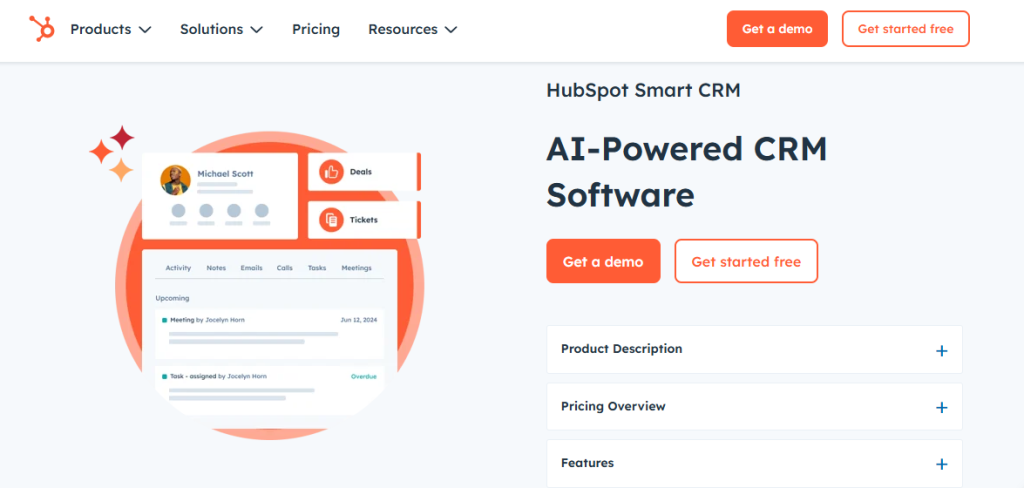
HubSpot’s feedback tools help businesses track customer sentiment, automate surveys, and integrate feedback with CRM systems for personalized responses and insights. The platform enables businesses to collect customer opinions at different touchpoints and analyze trends over time. With its seamless integration into HubSpot’s CRM, businesses can personalize interactions and proactively address customer concerns.
8. Trustpilot
Trustpilot is a customer review management tool that helps businesses collect, manage, and respond to online reviews, improving brand credibility and SEO rankings. With its user-generated review system, Trustpilot enables businesses to build trust by showcasing genuine customer feedback. The platform’s analytics provide insights into customer satisfaction levels, enabling businesses to improve service quality.
9. Drift
Drift specializes in conversational marketing and AI-driven customer interactions. By leveraging automated chat and real-time customer feedback collection, businesses can gain deeper insights into customer needs. The platform’s data-driven approach enables enterprises to refine their engagement strategies, leading to improved customer satisfaction and conversion rates.

10. LiveChat
LiveChat focuses on real-time customer support, chatbot automation, and integration tools for feedback management. Its intuitive interface allows businesses to enhance customer service efficiency by tracking and responding to customer inquiries promptly.
The platform’s AI-powered analytics provide actionable insights for optimizing service operations and improving customer engagement.nalysis, Podium helps businesses manage their online reputation and enhance customer trustforms.

Features of Customer Feedback Solutions
1. Multichannel Feedback Collection
Customer feedback tools provide businesses with the ability to collect insights from multiple sources, such as websites, emails, social media, and in-app surveys. This ensures a well-rounded understanding of customer experiences by capturing diverse perspectives.
By consolidating feedback from various channels, businesses can detect patterns, identify recurring issues, and gain deeper insights into customer preferences, allowing them to tailor their services accordingly.
2. AI-Powered Sentiment Analysis
Artificial intelligence-driven sentiment analysis helps businesses interpret customer emotions, opinions, and reactions to their products and services.
This advanced technology identifies positive, neutral, or negative sentiments, allowing companies to take proactive steps to improve their customer engagement strategies. By leveraging AI insights, businesses can personalize responses, predict trends, and implement necessary changes to enhance overall customer satisfaction.
3. Real-Time Analytics & Reporting
Customer feedback software provides businesses with real-time insights into customer preferences, service performance, and emerging trends. With immediate access to feedback data, companies can quickly identify potential issues and address them before they escalate.
Real-time reporting capabilities also allow enterprises to monitor the impact of their improvements, track key performance metrics, and make data-driven decisions that lead to continuous service enhancements.
4. Survey Automation
Automated surveys streamline the process of gathering customer opinions without the need for manual intervention. These tools allow businesses to send out periodic surveys triggered by customer interactions, ensuring that feedback is collected consistently and in a timely manner.
With automation, businesses can gather insights from customers at crucial touchpoints, improving response rates and making it easier to analyze customer sentiment over time.
5. CRM Integration
Integrating customer feedback tools with CRM platforms enables businesses to track customer interactions, analyze behavioral patterns, and personalize responses based on real-time feedback data.
This seamless connection helps businesses create a more customer-centric approach by ensuring that every interaction is informed by previous feedback. CRM integration also enhances customer support efforts by allowing teams to access detailed histories and respond to concerns more effectively.
6. Customizable Dashboards
Custom dashboards allow businesses to visualize customer feedback trends, monitor key performance indicators, and generate detailed reports. These dashboards provide an intuitive way to interpret complex data, making it easier for teams to track progress and identify areas for improvement.
With the ability to customize reports and analytics views, companies can tailor insights to specific business needs and make strategic decisions backed by real-time data.
7. Net Promoter Score (NPS) Tracking
Net Promoter Score (NPS) tracking helps businesses measure customer loyalty and satisfaction by determining how likely customers are to recommend their products or services.
By analyzing NPS trends, businesses can assess overall brand perception and identify key drivers of customer advocacy. This metric provides actionable insights that allow businesses to focus on improving their strengths and addressing pain points that may impact long-term loyalty.
Benefits of Customer Feedback Solutions
1. Enhanced Customer Experience
Collecting and analyzing feedback enables businesses to pinpoint areas of improvement and address customer pain points effectively.
This leads to enhanced interactions, better service delivery, and overall improved customer satisfaction. By responding to feedback proactively, businesses show their customers that their opinions matter, which fosters loyalty and strengthens relationships.
2. Data-Driven Decision Making
Customer feedback provides valuable insights that businesses can use to make informed decisions about product development, service enhancements, and overall business strategy. With access to real-time data, companies can align their offerings with customer expectations, reduce inefficiencies, and optimize their operations for long-term success.
3. Improved Brand Reputation
Actively listening to customer feedback and making visible improvements based on that feedback helps businesses enhance their brand reputation.
When customers see that their concerns are being addressed, they are more likely to trust the company and share positive experiences with others. This not only strengthens brand credibility but also attracts new customers through word-of-mouth referrals.
4. Increased Customer Retention
Addressing customer concerns proactively helps reduce churn rates and fosters long-term relationships. When customers feel heard and valued, they are more likely to remain loyal to a brand.
Retaining customers through effective feedback management is often more cost-effective than acquiring new ones, making it a crucial strategy for sustainable business growth.
5. Competitive Advantage
Analyzing customer sentiment and market trends enables businesses to stay ahead of competitors by identifying areas for improvement faster. Companies that actively incorporate feedback into their business strategies can innovate more effectively, anticipate market demands, and offer solutions that better align with customer needs. This adaptability provides a strong competitive edge in any industry.
How to Choose the Right Customer Feedback Solution
1. Review Analytics & Reporting Features
Comprehensive reporting and real-time analytics are crucial for tracking feedback trends and measuring success. Businesses should select a solution that provides in-depth reporting tools, customizable dashboards, and actionable insights to facilitate continuous improvements in customer service and business performance.
2. Identify Business Objectives
Before selecting a feedback solution, businesses should define key objectives, such as improving service quality, refining product development, or strengthening brand perception. Understanding these goals ensures that the chosen solution aligns with the company’s specific needs and helps achieve meaningful outcomes.
3. Consider Scalability
A feedback solution should be able to grow with the business and handle increasing volumes of customer interactions and data. Scalable solutions ensure that enterprises can continue collecting and analyzing feedback as their customer base expands. This future-proofing is essential for maintaining a seamless feedback management process.
4. Check for AI and Automation Capabilities
AI-powered analytics and automation features enhance the accuracy and efficiency of feedback interpretation. Businesses should opt for a solution that leverages AI-driven insights to detect patterns, automate responses, and provide predictive analytics. These capabilities help improve customer engagement and streamline decision-making.
5. Assess Integration Options
To ensure a seamless workflow, businesses should choose a feedback solution that integrates with existing CRM, customer support, and marketing tools. Integration capabilities allow for better data synchronization, more personalized customer interactions, and improved operational efficiency.
Conclusion
Customer feedback solutions are essential for enterprises looking to improve customer experiences, drive engagement, and maintain a competitive edge. By leveraging AI-powered insights, automation, and real-time analytics, businesses can make data-driven decisions that enhance customer satisfaction and loyalty.
Choosing the right customer feedback tool depends on an organization’s specific needs, scalability, and integration requirements. Implementing a robust feedback strategy ensures that businesses stay ahead in an ever-evolving market, fostering long-term success and growth.
