
What are Enterprise Chatbots and How do They Work?
Enterprise chatbots have revolutionized how large businesses interact with customers, manage internal workflows, and streamline operations. More advanced than traditional customer service bots, these chatbots leverage AI and machine learning to engage in complex conversations, automate tasks, and provide data-driven insights. This article explores the importance of enterprise chatbots, how they work, the latest trends, top use cases, and best practices for implementing them in large organizations.
Why Enterprise Chatbots Are Essential
Enterprise chatbots offer tailored, robust capabilities designed to meet the demands of large-scale businesses. Unlike standard chatbots, enterprise-grade solutions can handle high volumes of queries, integrate with various business systems, and provide real-time data analysis. They support businesses by:
- Enhancing Customer Engagement: Chatbots provide instant responses, reducing wait times and increasing customer satisfaction.
- Improving Operational Efficiency: By automating repetitive tasks, chatbots help employees focus on high-priority tasks.
- Providing Insights and Analytics: AI-driven chatbots can track patterns in customer queries, offering actionable insights to refine business strategies.
- Reducing Operational Costs: Automating customer support, sales, and HR processes can cut down on labor costs and increase productivity.
How Enterprise Chatbots Work
Enterprise chatbots use a combination of natural language processing (NLP), machine learning, and backend integrations to deliver a seamless experience. Here’s how these components function:
- Natural Language Processing (NLP): NLP enables chatbots to understand and process human language, enabling more natural and intuitive conversations.
- Machine Learning: Machine learning algorithms allow chatbots to learn from past interactions, improving responses and understanding over time.
- Backend Integrations: Enterprise chatbots often integrate with CRM, ERP, and HR systems, allowing for real-time data retrieval and task automation.
- AI and Contextual Awareness: Advanced AI features help chatbots recognize context, understand intent, and personalize responses, making interactions more relevant to each user.
Key Benefits of Enterprise Chatbots
- Scalability: Enterprise chatbots handle vast volumes of interactions across multiple channels, ensuring consistent performance even during peak times.
- Customization: Businesses can tailor chatbots to align with specific goals, whether it’s customer service, marketing, or internal support.
- Multi-Language Support: Many enterprise chatbots support multiple languages, allowing global organizations to engage with customers worldwide.
- Data Security and Compliance: With enterprise-grade encryption and compliance with GDPR and other regulations, these chatbots secure sensitive information effectively.
Top Use Cases of Enterprise Chatbots
- Customer Service: Chatbots can manage common inquiries, troubleshoot issues, and even handle complaints, providing quick, round-the-clock support.
- Sales and Lead Generation: Enterprise chatbots can capture leads by engaging website visitors, answering product questions, and setting appointments for sales teams.
- HR and Employee Support: Chatbots assist with onboarding, answering HR queries, and managing schedules, making them invaluable in supporting internal teams.
- E-commerce: In e-commerce, chatbots enhance the shopping experience by offering product recommendations, processing orders, and tracking deliveries.
- Healthcare: Healthcare organizations use chatbots to provide basic consultations, book appointments, and share relevant health information with patients.
10 Best Enterprise Chatbot Solutions
Salesgroup.ai
Salesgroup.ai is a cutting-edge AI-powered chatbot platform designed to boost sales and enhance customer engagement. Its strong analytics capabilities and seamless CRM integration make it a top choice for sales-focused businesses.
Pro: Salesgroup.ai offers deep personalization, sales-focused features, and strong analytics capabilities. Its seamless integration with CRM systems enhances customer interactions and sales performance.
Con: Customization can be complex without dedicated support, making it challenging for non-technical users. This platform is best suited for businesses focused on improving customer satisfaction and driving sales conversions.

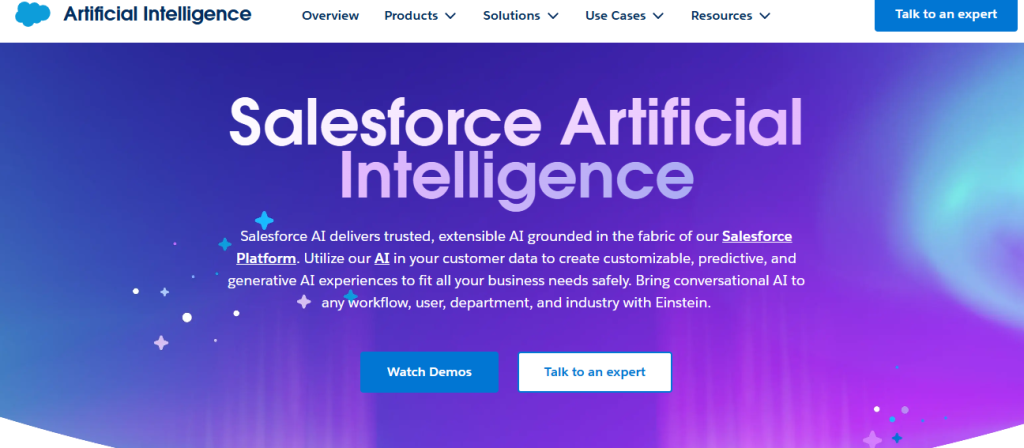
Salesforce Einstein Bot
Salesforce Einstein Bot provides a comprehensive solution for companies leveraging Salesforce CRM. It combines AI-driven automation and workflow integration to optimize sales and support operations.
Pro: Salesforce Einstein Bot integrates effortlessly with Salesforce CRM, enabling robust automation and workflow management. Its advanced AI capabilities streamline sales and support processes efficiently.
Con: The high cost and reliance on Salesforce CRM make it less accessible to businesses outside the Salesforce ecosystem. This solution works best for teams already utilizing Salesforce extensively.
Related: 10 Best Tidio Alternatives and Competitors
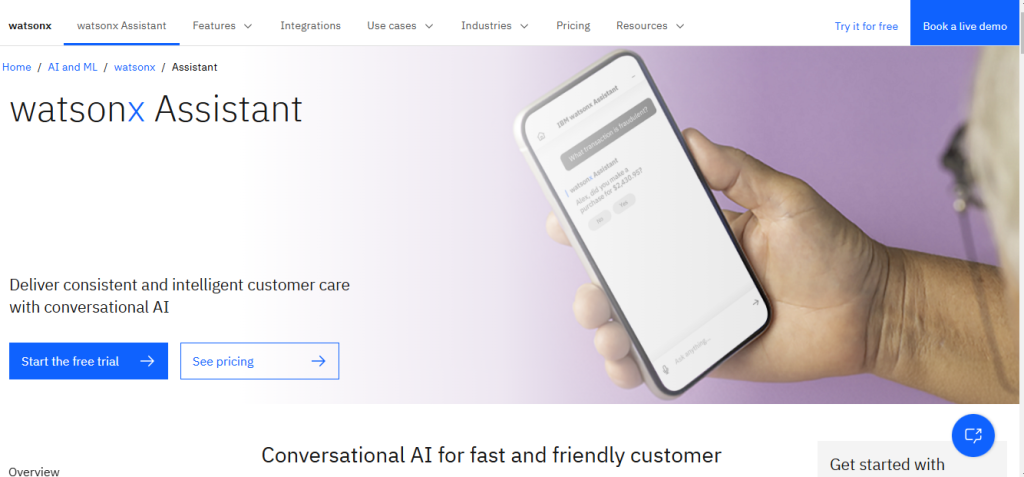
IBM Watson Assistant
IBM Watson Assistant is a robust enterprise-level chatbot solution. It is renowned for its advanced AI features, natural language processing, and multilingual support, catering to businesses that require high customization.
Pro: IBM Watson Assistant excels in advanced AI features, natural language processing, and multilingual support, offering unparalleled customization for enterprises.
Con: It requires significant technical expertise for setup, making it less accessible to non-developers. It is ideal for businesses demanding sophisticated and highly customizable chatbot solutions.
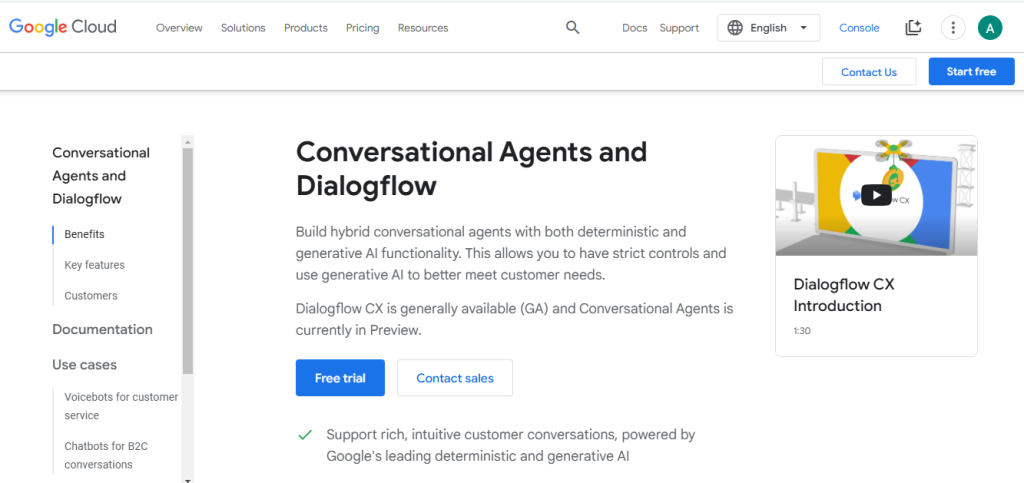
Dialogflow by Google
Dialogflow by Google stands out for its voice interaction capabilities and seamless integration within the Google ecosystem. It’s perfect for businesses looking to implement simple, effective chat solutions.
Pro: Dialogflow by Google is a top choice for voice-enabled interactions and offers seamless integration with the Google ecosystem, simplifying setup across multiple platforms.
Con: Limited customization options restrict its effectiveness for complex use cases. This platform is best for businesses looking to implement straightforward, voice-enabled chatbots.
Related: 5 Best AI tools for customer engagement
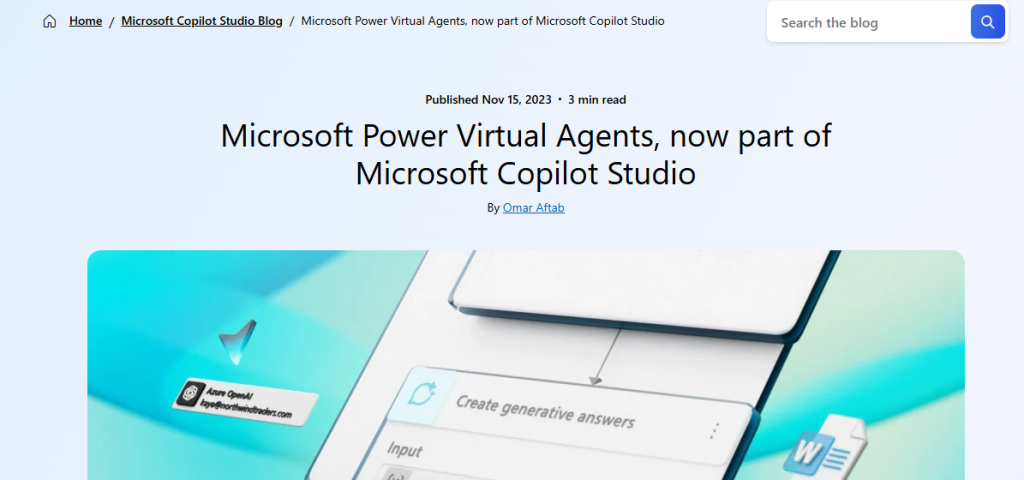
Microsoft Power Virtual Agents
Microsoft Power Virtual Agents is an intuitive, no-code chatbot platform tailored for users within the Microsoft ecosystem. It offers seamless integration and insightful analytics for better workflow management.
Pro: Microsoft Power Virtual Agents provides a no-code setup with excellent integration into Microsoft’s ecosystem, supported by robust analytics and tracking capabilities.
Con: Its dependency on Microsoft products and potentially high pricing limit its suitability for diverse enterprises. It’s most effective for businesses already utilizing Microsoft’s suite of tools.
LivePerson
LivePerson is an advanced chatbot solution designed for enterprises managing high-volume customer interactions. It offers omnichannel support and powerful AI intent recognition features.
Pro: LivePerson offers omnichannel support and advanced AI features, including intent recognition, making it a strong choice for high-volume customer service operations.
Con: Its complex setup and high cost can deter small businesses. This platform is ideal for enterprises managing large-scale customer interactions.
Rasa
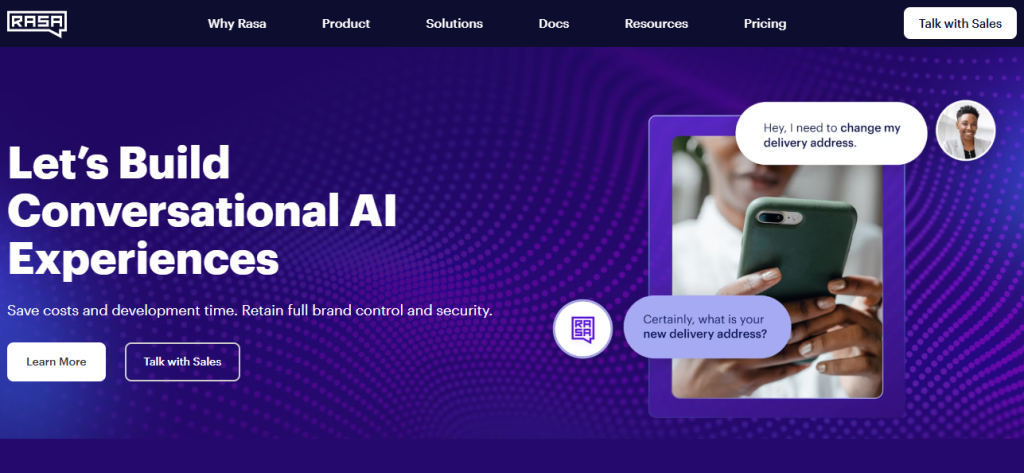
Rasa is an open-source chatbot platform that prioritizes privacy and customizability. Its secure on-premises deployment options make it an excellent choice for enterprises with strict security requirements.
Pro: Rasa stands out for its open-source nature, high customizability, and secure on-premises deployment, making it a great choice for businesses prioritizing privacy and flexibility.
Con: The platform’s reliance on developer expertise and lack of pre-built templates can make implementation challenging. It’s best for enterprises requiring secure, tailored chatbot solutions.
Intercom
Intercom is a user-friendly chatbot platform designed for proactive customer engagement and sales support. It’s particularly effective for small-to-medium-sized businesses aiming to enhance client interactions.
Pro: Intercom is user-friendly and excels in proactive chat features, making it highly effective for sales engagement in small and medium-sized enterprises.
Con: Its costs escalate significantly for larger teams, and it offers limited automation. This platform is ideal for SMEs looking to enhance customer engagement and sales.

Ada
Ada is a simple, multilingual chatbot platform focused on improving customer engagement through personalized and interactive support. It’s ideal for businesses aiming to boost customer satisfaction.
Pro: Ada is easy to set up, supports multilingual interactions, and offers personalized customer engagement, making it a strong option for enhancing customer satisfaction.
Con: Its focus on customer service makes it less effective for internal support tasks. It is most suitable for businesses aiming to boost customer engagement.
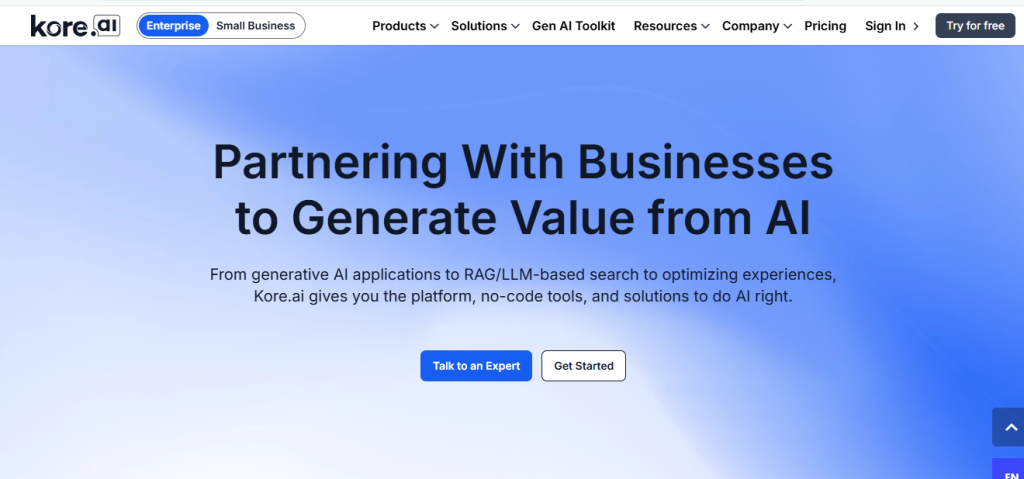
Kore.ai
Kore.ai offers specialized chatbot solutions tailored to specific industries. Its advanced AI capabilities and multi-channel support make it a go-to for businesses with niche requirements.
Pro: Kore.ai delivers industry-specific chatbot solutions with advanced AI and multi-channel support, catering to enterprises with specialized needs.
Con: The platform’s high cost and complex setup can be challenging for non-technical users. It is best suited for businesses seeking tailored, industry-focused chatbot capabilities.
Top Trends in Enterprise Chatbots
- AI-Powered Voice Assistants: Voice-enabled chatbots are becoming increasingly popular in enterprises, providing hands-free customer and employee support.
- Omnichannel Experience: Businesses are adopting chatbots that work seamlessly across channels, such as websites, mobile apps, and messaging platforms like WhatsApp and Facebook Messenger.
- Emotional Intelligence (EI): Some chatbots are being designed with EI to recognize user emotions and respond in ways that convey empathy, improving user satisfaction.
- Hyper-Personalization: Using customer data, chatbots are providing highly personalized experiences, tailoring recommendations and responses to individual preferences.
- Augmented Reality (AR) Integration: Some enterprises are exploring chatbots with AR capabilities to offer interactive support and product demonstrations.
How to Choose the Right Enterprise Chatbot
Choosing the right chatbot requires a clear understanding of your business needs, technical capabilities, and budget. Here are a few tips to help guide your decision:
- Define Your Objectives: Determine the primary purpose of the chatbot, whether it’s customer support, sales, or internal operations.
- Integration Requirements: Choose a chatbot that can seamlessly integrate with your CRM, ERP, and other business systems.
- Customization Options: Look for chatbots that allow customization to align with your brand’s voice and customer expectations.
- Evaluate AI Capabilities: For complex needs, consider chatbots with advanced AI, such as NLP and machine learning.
- Consider Scalability: Choose a solution that can handle growing user demand and new channels as your business expands.
- Look for Analytics and Reporting: Opt for chatbots that offer insights and reporting features to measure performance and user engagement.
Best Practices for Implementing Enterprise Chatbots
- Start with a Clear Use Case: Choose a specific, high-impact area to implement the chatbot, such as customer support or sales.
- Set Up Continuous Training: Ensure your chatbot is regularly updated with new data to improve responses.
- Integrate with Existing Systems: A chatbot should fit seamlessly within your current tech stack to maximize its potential.
- Monitor Performance: Use analytics to track the chatbot’s effectiveness and identify areas for improvement.
- Focus on User Experience: Ensure the chatbot provides a seamless and intuitive experience for both customers and employees.
Conclusion
Enterprise chatbots are transformative tools that enable businesses to improve customer engagement, optimize workflows, and gain valuable insights. With the right chatbot solution, businesses can streamline operations, improve customer satisfaction, and increase efficiency. As AI technology continues to advance, enterprise chatbots will become even more sophisticated, offering new possibilities for businesses to engage users in meaningful ways. By choosing the right chatbot and implementing it strategically, enterprises can unlock significant growth potential and remain competitive in an increasingly digital landscape.
