

What is In-app customer support? A Detailed Guide
Currently, customers expect immediate and effortless help exactly when they need it. This shift has transformed in-app customer support from a simple convenience into an absolute necessity for any successful mobile or web application.
By providing help directly within the app’s interface, businesses can create a frictionless and contextual customer experience that truly sets them apart.
In this article, we’ll be exploring the indispensable benefits, best practices for implementation, and essential tools that empower businesses to master in-app customer support. Let’s dive in.
What is In-App Customer Support?
In-app customer support means offering assistance, guidance, and problem-solving resources directly within the user interface of a mobile or web application. This innovative approach eliminates the need for users to leave the platform to find answers, submit queries, or communicate with support agents, ensuring a seamless and uninterrupted user journey.
Core Components of In-App Support
Modern in-app support systems are built upon several essential components that work together to provide comprehensive assistance:
1. Searchable Knowledge Base or Help Center:
At the heart of effective in-app support is a robust and easily searchable knowledge base. This embedded resource acts as a self-service hub, offering a wealth of information such as Frequently Asked Questions (FAQs), detailed how-to guides, practical troubleshooting articles, and comprehensive product documentation.
Users can quickly find answers to common questions without needing to contact a support agent, empowering them to resolve issues independently and efficiently.
2. Interactive Guidance Tools:
To proactively assist users and enhance their understanding of the app, in-app support often includes interactive guidance tools. Interactive tours lead users through key features step-by-step, while tooltips provide concise explanations when a user hovers over specific elements.
Contextual pop-ups highlight new functionalities or guide users through complex processes, ensuring they can leverage all the app has to offer. Additionally, embedded instructional videos cater to visual learners, providing dynamic and engaging demonstrations of features and workflows.
3. Direct Communication Channels:
For issues that require more personalized attention, direct communication channels are crucial. In-app chat provides real-time support, connecting users with either AI-powered chatbots for instant answers to common inquiries or human agents for more complex issues.
This immediate access to support ensures users can get help precisely when they need it, minimizing frustration and wait times.
4. Asynchronous Messaging:
Recognizing that users may not always be available for live chat, asynchronous messaging offers flexibility. Users can send messages and receive responses at their convenience, with the entire conversation history preserved within the app.
This allows for ongoing dialogues and ensures that users can pick up where they left off, even if there are delays between messages.
5. Ticket Submission Tools:
For detailed or less urgent inquiries, ticket submission tools enable users to formally submit requests without ever leaving the application. These tools often allow users to include screenshots, error logs, and detailed descriptions, providing support agents with all the necessary information to address the issue effectively.
The Indispensable Benefits of In-App Customer Support
Adopting in-app customer support yields a multitude of benefits that impact user satisfaction, operational efficiency, product development, and brand perception.
1. Enhanced User Experience and Satisfaction
In-app support fundamentally transforms the user experience by making help readily available and highly relevant.
i. Instantaneous Assistance at the Moment of Need:
One of the most significant advantages is the ability for users to receive help instantly, at the exact moment of need. This immediate gratification minimizes user frustration, as they don’t have to navigate away from their current task or search for external support channels.
This dramatically reduces the likelihood of task or app abandonment, keeping users engaged and productive within your platform. Imagine a user struggling to complete a purchase; in-app support can guide them through the process in real-time, preventing a lost sale and a frustrated customer.
ii. Seamless, Uninterrupted User Journey:
In-app support removes the need to switch channels, such as moving from the app to an email client or a separate website. This provides a truly seamless, uninterrupted user experience. The context of their issue remains within the app, and they don’t have to re-explain their problem or provide information they’ve already given.
This continuous flow creates a sense of effortless interaction, making the app feel more intuitive and user-friendly.
iii. Tailored and Relevant Support:
Support content and interactions are intelligently tailored to the user’s current activity and context. This ensures that the help provided is maximally relevant and effective. If a user is on the settings page, the in-app support might proactively offer articles related to account management.
This contextual awareness means users receive precisely the information they need, rather than generic responses that might not apply to their specific situation.
iv. Increased User Confidence and Engagement:
Readily available and easily accessible help boosts user confidence, empowering them to explore and utilize the app’s features more thoroughly. Knowing that assistance is just a tap away encourages deeper engagement with all app functionalities, as users feel more comfortable experimenting and learning without the fear of getting stuck.
2. Improved Operational Efficiency and Cost Savings
Beyond enhancing user experience, in-app support significantly streamlines support operations, leading to substantial cost savings.
i. Deflection of Routine Inquiries:
A well-designed, robust knowledge base and self-service options effectively deflect routine inquiries from live support agents. By providing readily available answers to common questions, users can resolve their issues independently, freeing up your human agents to focus on more complex and nuanced cases. This significantly reduces the volume of incoming tickets, leading to more efficient resource allocation.
ii. Faster and More Accurate Resolutions:
When users do need to interact with a live agent, in-app support tools provide agents with immediate access to crucial user context. This includes information such as device type, app version, recent activity within the app, and even previous support interactions. This rich context eliminates the need for agents to ask repetitive questions, allowing for faster and more accurate resolutions. Agents can quickly understand the user’s situation and provide targeted assistance, improving first-contact resolution rates.
iii. Cost-Effective Customer Retention:
Efficient support processes directly contribute to increased customer satisfaction and retention. When users have positive support experiences, they are more likely to remain loyal to your app and brand. This is a critical benefit because reducing churn is significantly more cost-effective than constantly acquiring new customers. By preventing users from abandoning your app due to frustrating support experiences, you protect your customer base and ensure sustainable growth.
3. Deeper User Insights and Product Improvement
In-app support acts as a rich source of data, providing invaluable insights that can drive continuous product improvement and innovation.
i. Real-Time Feedback Collection:
In-app support facilitates the capture of user sentiment quickly and accurately through various real-time feedback tools. This includes surveys embedded at key interaction points, post-interaction ratings for support experiences, and innovative features like “shake-to-send” bug reports, which allow users to instantly submit feedback or report issues by simply shaking their device. This immediate feedback loop provides granular insights into user satisfaction and pain points.
ii. Behavioral Analytics for Pain Point Identification:
By tracking how users interact with support content and features, behavioral analytics reveal crucial information about user behavior. This includes identifying pain points where users frequently get stuck or seek help, as well as highlighting popular features that users are actively engaging with. Analyzing search queries within the knowledge base, for example, can uncover areas where documentation is lacking or unclear.
iii. Data-Driven Product Development:
Insights gleaned from support interactions directly inform product development. Trends in support queries, bug reports, and user feedback provide product teams with a clear understanding of actual user needs and frustrations. This data-driven approach helps teams prioritize improvements that address real-world problems, leading to more user-centric and effective product iterations. For instance, if many users are asking how to use a certain feature, it might indicate a need for a UI redesign or more intuitive onboarding.
iv. Personalized, Proactive Support:
Leveraging in-app data, support can become highly personalized and proactive. By understanding individual usage patterns, the system can proactively deliver relevant help or promotions.
This could mean offering a tailored tip to a new user, suggesting a feature based on their activity, or even flagging potential issues before the user encounters them, further enhancing the user experience and building loyalty.
4. Stronger Brand Image and Engagement
In-app support plays a pivotal role in shaping brand perception and fostering deeper user engagement.
i. Cohesive and Professional Brand Image:
The ability to customize in-app support to seamlessly align with your corporate branding and UI promotes a cohesive and professional image.
When the support experience looks and feels like an integral part of the app, it reinforces brand consistency and strengthens user trust. This attention to detail elevates the overall perception of your brand as one that is polished and user-focused.
ii. Increased App Stickiness:
A seamless and positive support experience directly increases app stickiness. When users know they can easily get help, they are more likely to continue using the app, even when they encounter minor difficulties.
This continuous engagement keeps users coming back, making the app feel indispensable and deeply integrated into their daily routines.
iii. Amplified Word-of-Mouth Recommendations:
Positive, prompt support experiences encourage users to share their experiences with others. Satisfied customers are more likely to become brand advocates, amplifying word-of-mouth recommendations. In an age where user reviews heavily influence adoption, exceptional in-app support can become a powerful marketing tool, driving organic growth and attracting new users.
All-in-One Customer Service Platforms
These platforms offer comprehensive suites of tools covering various aspects of customer support, often including robust in-app capabilities.
1. SalesGroup AI:
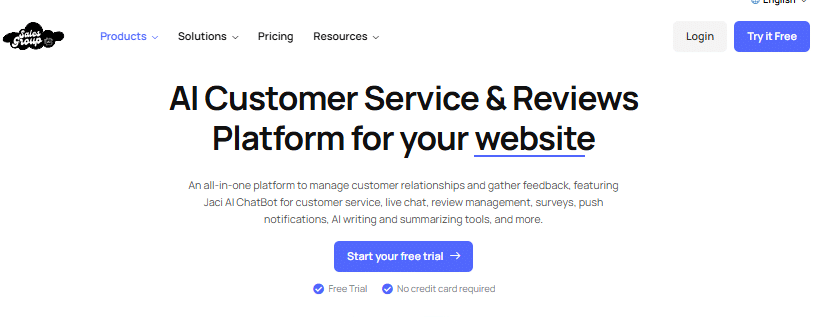
SalesGroup AI positions itself as an all-in-one AI-powered customer service and reviews platform designed specifically to enhance customer relationship management and feedback collection directly on websites and within applications.
It combines advanced AI chatbot technology (Jaci AI ChatBot) with comprehensive customer service tools, live chat functionality, integrated review management systems, surveys, and push notifications.
SalesGroup AI focuses on automating customer interactions while maintaining personalization through its AI capabilities, offering features like intelligent chatbot responses, automated review collection and management, customer feedback analysis, and integrated communication tools that streamline customer service operations and provide valuable insights into satisfaction and preferences.
2. Zendesk:
Zendesk provides powerful mobile SDKs (Software Development Kits) that allow businesses to embed live chat, a searchable help center, and ticketing functionalities directly within their mobile applications.
It’s renowned for its customizable workflows and comprehensive reporting capabilities, enabling businesses to tailor the support experience and gain deep insights into performance. Zendesk’s flexibility makes it suitable for businesses of all sizes looking for a scalable and integrated solution.

3. Intercom:
Intercom excels at in-app messaging, AI-powered chatbots, and proactive engagement. It’s particularly popular for its strengths in user onboarding and nurturing support.
Intercom allows businesses to send targeted messages, offer interactive product tours, and provide real-time assistance, making it ideal for companies focused on driving user adoption and engagement through conversational support. Its ability to segment users and deliver highly personalized experiences sets it apart.

4. Zoho Desk:
Zoho Desk is known for delivering AI-driven tools and integrations designed to provide a seamless, unified customer view. Its capabilities include in-app support features that allow businesses to offer self-service options, live chat, and ticket management within their applications. Zoho Desk’s strength lies in its ability to connect customer interactions across various touchpoints, giving agents a holistic understanding of the customer’s journey.
5. HubSpot Service Hub:
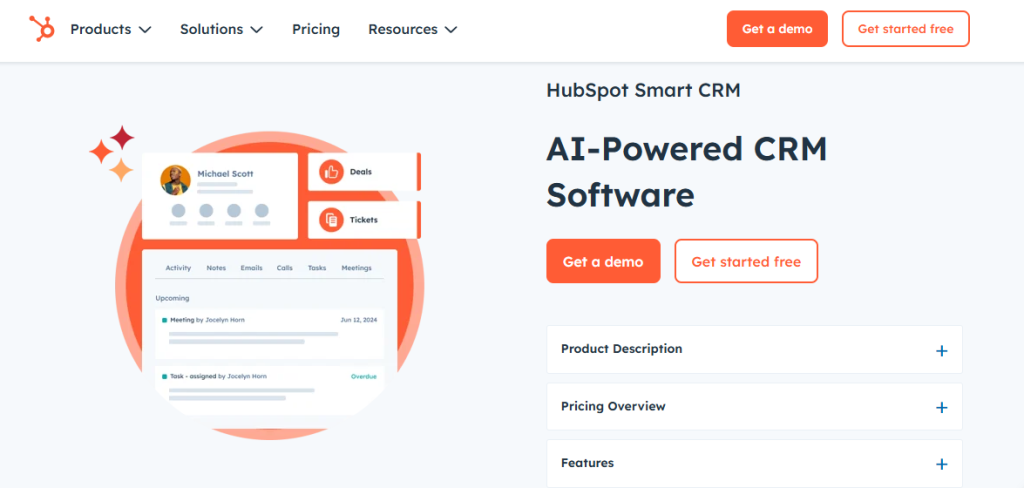
As part of the broader HubSpot ecosystem, HubSpot Service Hub seamlessly integrates with CRM (Customer Relationship Management) tools, offering a holistic view of customer interactions. It provides shared inboxes, a comprehensive knowledge base, and advanced reporting capabilities that extend to in-app support.
For businesses already using HubSpot for marketing and sales, Service Hub offers a consistent and integrated approach to customer service, allowing for personalized and efficient support directly within the app.
Conclusion
In-app customer support has transitioned from a desirable feature to a critical strategy for organizations aiming to deliver outstanding customer experiences, effectively control support costs, and foster long-term customer loyalty. By embracing intuitive self-service, smart automation through AI, seamless agent handoffs, and proactive engagement, businesses can transform their applications into powerful help hubs and vital communication touchpoints.
The ability to deliver fast, contextual, and integrated support directly within the app significantly elevates user satisfaction, enhances user engagement, and provides actionable insights for continuous product improvement. Investing in robust in-app support systems is not merely an operational expenditure; it’s a strategic investment in lasting customer relationships and sustainable product success. It creates a virtuous cycle where satisfied users become loyal advocates, and their feedback directly fuels the evolution of a better product.
