

15 best free tools for startups in 2026
What are the best free tools for startups in 2025?
Building a business from the ground up requires ingenuity, resilience, and a strategic approach to resource allocation. While the market is flooded with powerful, premium software solutions, the reality for most early-stage ventures is a tight budget.
This is where the landscape of free tools becomes an absolute game-changer. Leveraging cost-free, high-quality software can provide the foundational infrastructure for communication, project management, marketing, design, and more, allowing startups to conserve precious capital for core development and talent acquisition.
This article will delve into the critical importance of free tools for new businesses and present 15 of the best free tools that every startup should consider utilizing in 2025 to optimize operations, streamline workflows, and accelerate growth without breaking the bank.
Why Free Tools are impcortant for Startups in 2025
The strategic integration of free tools into a startup’s operational framework offers a myriad of benefits that are particularly vital in the early, lean stages of business development. These advantages extend far beyond mere cost savings, contributing significantly to efficiency, agility, and sustainable growth.
1. Cost Efficiency and Capital Preservation:
This is the most obvious and immediate benefit. Startups typically operate on limited budgets, and every expense must be justified. Free tools eliminate significant upfront and recurring software costs, allowing founders to allocate capital to core product development, marketing, and talent acquisition – areas that directly drive innovation and market penetration.
2. Rapid Prototyping and Iteration:
Many free tools offer functionalities that enable quick experimentation. Whether it’s designing mockups, launching simple landing pages, or testing communication channels, free tools allow startups to validate ideas and iterate rapidly without incurring development expenses, accelerating the product-market fit journey.
3. Accessibility and Low Barrier to Entry:
Free tools are inherently accessible, removing financial barriers for new entrepreneurs. They often come with user-friendly interfaces, extensive online documentation, and community support, making them easy to adopt even for teams without extensive technical expertise.
4. Scalability and Future-Proofing:
While free plans have limitations, many premium tools offer generous free tiers that can support a startup through its initial phases. As the business grows and needs evolve, these same tools often offer seamless upgrade paths to paid versions, ensuring continuity and preventing the need to migrate data or retrain teams on entirely new systems.
5. Focus on Core Business Activities:
By automating or simplifying non-core functions like project management, accounting, or routine communication, free tools free up valuable time and mental energy for founders and early employees. This allows them to concentrate on critical activities such as product innovation, customer acquisition, and strategic planning.
6. Building an Efficient Tech Stack Early:
Leveraging free tools encourages startups to build an integrated tech stack from day one. Many free tools offer integrations with other popular platforms, fostering seamless workflows and preventing data silos as the company expands.
7. Risk Mitigation:
Experimenting with free tools allows startups to test different approaches and functionalities without financial commitment. If a tool doesn’t fit the team’s needs, it can be easily replaced without monetary loss, reducing overall operational risk.
15 Best Free Tools for Startups in 2025
Navigating the vast ecosystem of free tools requires strategic selection. Here are 15 of the best free tools, categorized by function, that are projected to be indispensable for startups in 2025.
Customer Service & Sales Enablement
1. SalesGroup AI
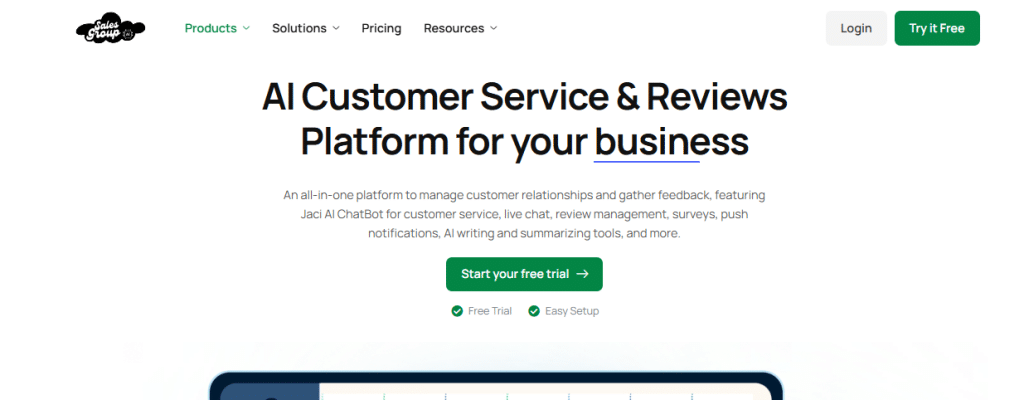
SalesGroup AI provides an AI-powered customer service and sales enablement platform. Its free capabilities often include a basic AI chatbot (like Jaci AI ChatBot for initial query handling), limited live chat functionality, and basic review collection features that can kickstart your customer engagement. It focuses on automating customer interactions while maintaining personalization.
It allows startups to automate initial customer inquiries, provide instant responses through AI, and begin collecting valuable customer feedback and reviews without significant investment. This helps streamline early-stage customer support and gather insights that inform product and service improvements, building a foundation for customer loyalty and sales efficiency from day one.
Project Management & Collaboration
2. Asana
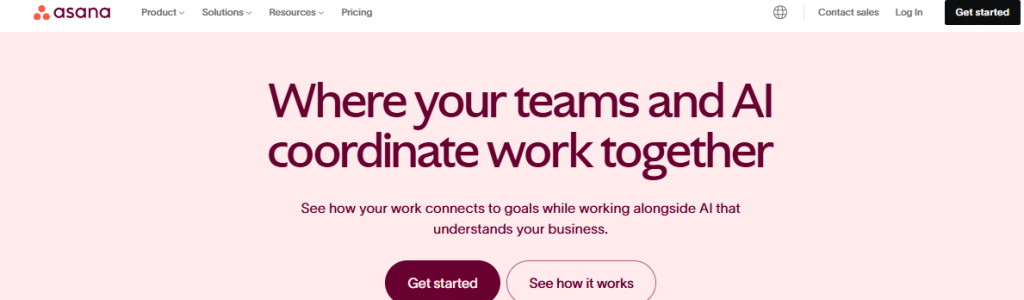
Asana’s free tier is ideal for small teams (up to 15 members) looking for a robust way to organize tasks, track projects, and manage workflows. It offers unlimited tasks, projects, messages, file storage, and multiple project views (list, board, calendar).
It provides a structured environment for managing complex projects and cross-functional collaboration, ensuring everyone is aligned on tasks, deadlines, and responsibilities. The intuitive interface makes it easy for teams to adopt.
3. Trello
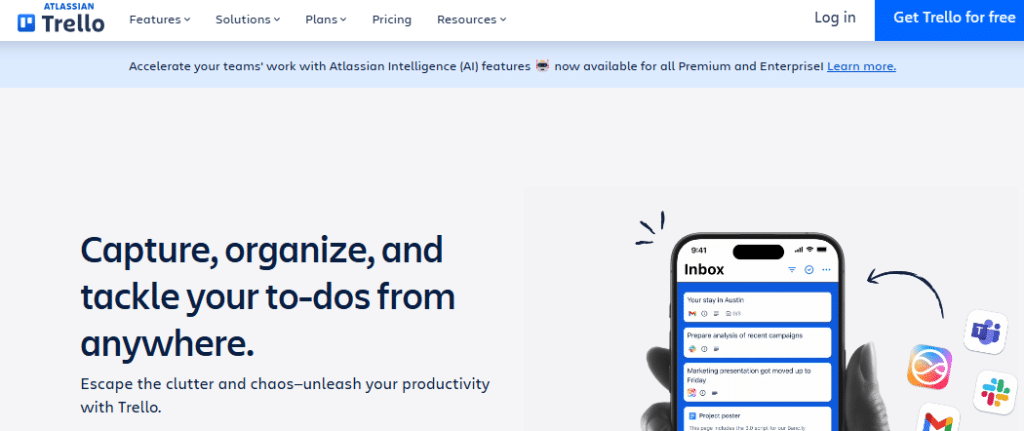
Trello uses Kanban-style boards, lists, and cards to visually organize tasks and projects. Its free tier provides up to 10 boards per workspace, unlimited cards, storage (10MB/file), and basic automation capabilities.
Perfect for agile teams and visual thinkers. Trello’s drag-and-drop simplicity helps startups manage diverse projects, from marketing campaigns to product roadmaps, by providing a clear, visual overview of progress.
Communication & Internal Operations
4. Slack
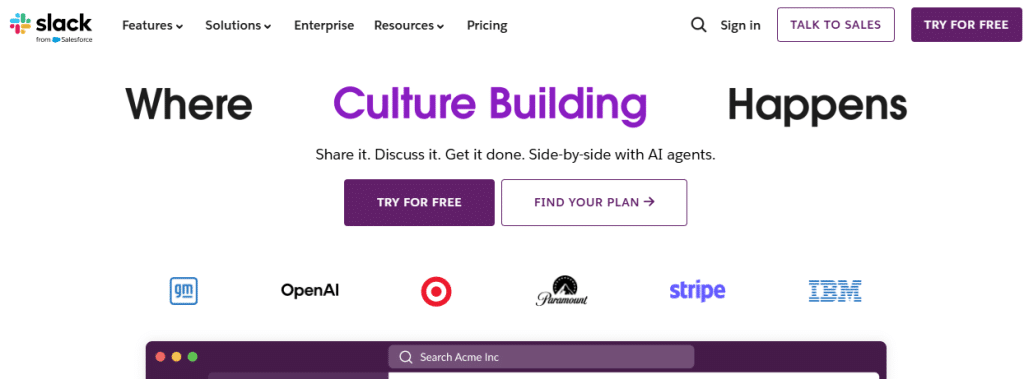
Slack’s free plan allows for unlimited direct messages, creation of channels for organized team communication, and access to the most recent 90 days of message history. It also supports 10 app integrations.
It centralizes internal communication, reducing reliance on email for quick discussions. Its channel-based system keeps conversations organized by topic, project, or team, fostering transparent and efficient collaboration, crucial for fast-paced startup environments.
5. Google Workspace
While not entirely free for business domains, Google offers powerful free personal versions of Gmail, Google Drive (15GB free storage), Google Docs, Sheets, Slides, and Google Meet. For new businesses, the initial investment for a custom domain email is minimal for the immense value gained.
Provides a comprehensive suite of cloud-based productivity and collaboration tools. Teams can co-edit documents in real-time, store files securely, and conduct video conferences, creating a unified digital workspace essential for remote or hybrid teams.
Design & Branding
6. Canva
Canva’s free plan provides access to thousands of customizable templates, millions of stock photos, fonts, and graphic elements. Users can create professional-quality designs for social media, presentations, logos, flyers, and more.
Enables founders and non-designers to create compelling visual content quickly and professionally. It eliminates the immediate need for a dedicated graphic designer, allowing startups to build a strong brand presence on a shoestring budget.

7. Figma
Figma’s free tier (Starter) allows for up to 3 Figma and 3 FigJam files, unlimited personal files, and unlimited collaborators. It’s a cloud-based design tool primarily used for UI/UX design and prototyping.
Essential for product-led startups. Figma enables collaborative design work in real-time, allowing teams to prototype user interfaces, gather feedback, and iterate on product design quickly without investing in expensive software licenses.
Marketing & Sales
8. HubSpot CRM
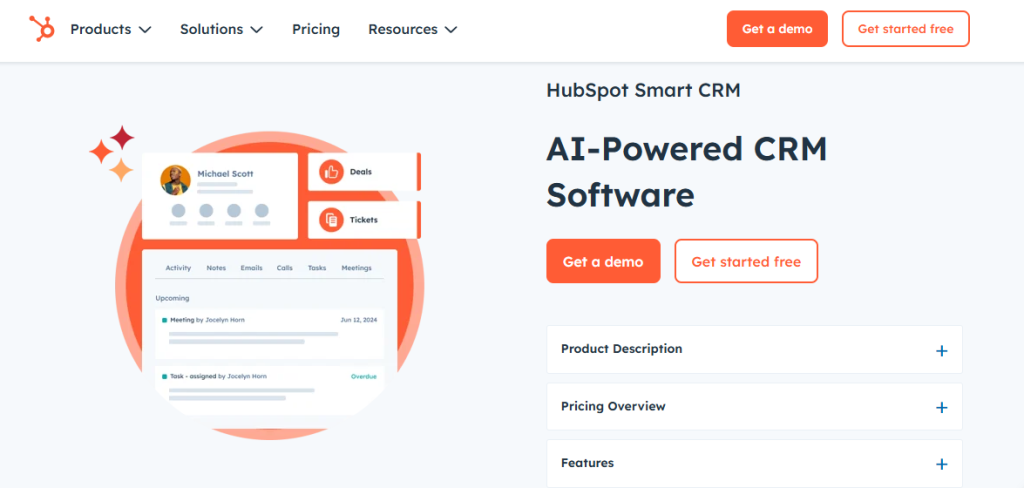
HubSpot’s free CRM provides a comprehensive suite of tools for contact management, deal tracking, email marketing, sales pipeline visualization, basic reporting, live chat, and meeting scheduling. It’s truly a robust offering.
It centralizes customer data, helps manage leads, tracks sales activities, and offers foundational marketing tools. This allows startups to build strong customer relationships and streamline sales processes from day one without the typical CRM overhead.
9. Mailchimp
Mailchimp’s free plan supports up to 500 contacts and allows sending up to 1,000 emails per month. It includes a drag-and-drop email builder, basic email templates, and audience segmentation.
Provides an accessible entry point into email marketing, a crucial channel for customer communication and nurturing leads. Startups can build their email list, send newsletters, and run basic marketing campaigns to engage their audience effectively.

10. Google Analytics
Google Analytics is a powerful web analytics service that tracks and reports website traffic. The free version provides extensive data on user behavior, traffic sources, conversions, and website performance.
Essential for understanding website performance and user behavior. Startups can gain critical insights into how users find their site, what content they engage with, and where they might be dropping off, enabling data-driven optimization.
Finance & Legal
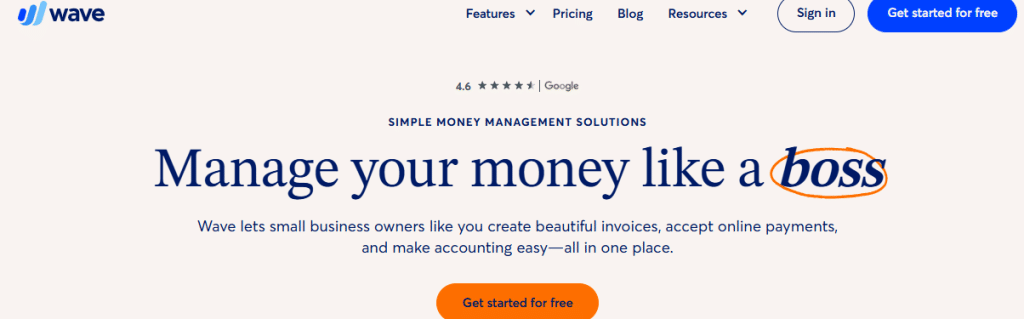
11. Wave Accounting
Wave provides a completely free suite for invoicing, accounting, and receipt scanning. Users can send unlimited invoices, track expenses, connect bank accounts, and generate financial reports.
Simplifies financial management for bootstrapped founders. It handles essential accounting tasks without recurring fees, allowing startups to maintain accurate financial records and manage cash flow effectively.
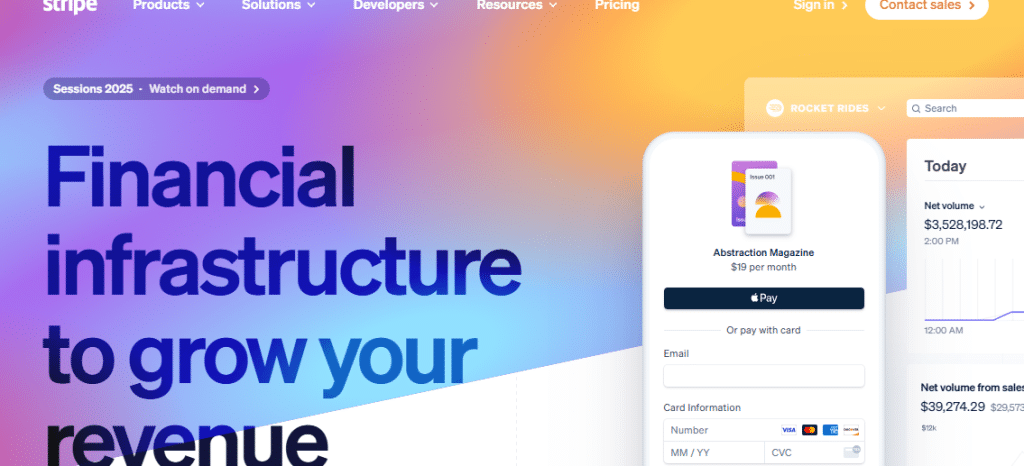
12. Stripe
While not strictly “free” in terms of transaction fees, Stripe has no setup fees, no monthly fees, and no hidden costs. You only pay when you make a sale (a small percentage + fixed fee per transaction). It supports online payments, subscriptions, and invoicing.
It provides a professional, scalable payment processing solution. Startups can easily integrate online payments into their website or app, essential for e-commerce or SaaS models, without incurring fixed monthly costs while scaling.
Productivity & Automation
13. Notion
Notion’s free plan for individuals provides unlimited pages and blocks, syncing across devices, and the ability to share pages with up to 10 guests. It’s a versatile workspace for notes, tasks, wikis, and databases.
Acts as an all-in-one workspace for documentation, project planning, knowledge management, and even light CRM. It helps organize scattered information and processes, serving as a central hub for the entire team.
14. Grammarly
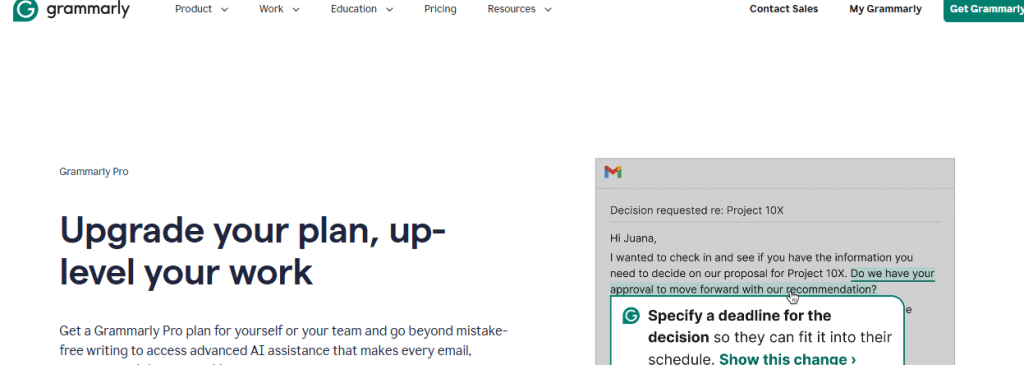
Grammarly’s free browser extension and desktop app provide essential grammar, spelling, and punctuation checks, as well as conciseness suggestions.
Ensures professional and error-free written communication across all channels (emails, marketing copy, internal documents), crucial for building credibility and maintaining a polished brand image without needing dedicated copy-editors.
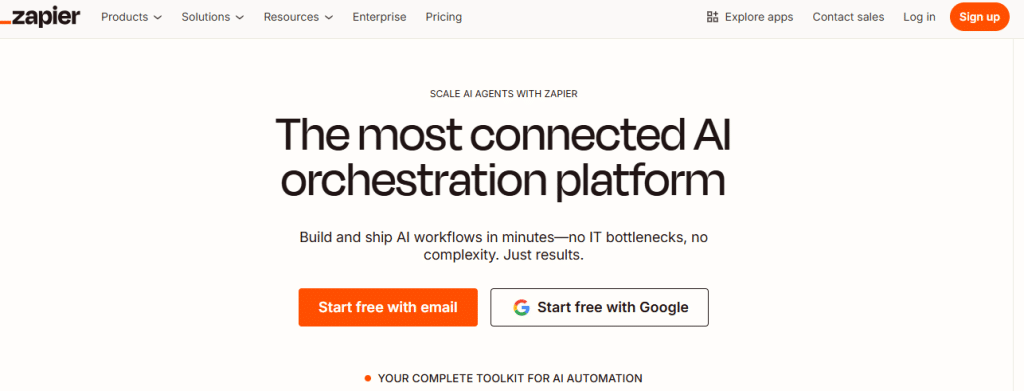
15. Zapier
Zapier’s free plan allows for 5 “Zaps” (automated workflows) and 100 tasks per month. It connects various web applications to automate repetitive tasks without coding.
Automates routine operational tasks, saving immense amounts of time and reducing manual errors. For example, it can connect your CRM to your email marketing tool or your form submissions to a spreadsheet, streamlining workflows.
Conclusion
For startups navigating the challenging journey from idea to market leader, strategic leverage of free tools is not merely a cost-saving tactic; it’s a foundational element of a lean, efficient, and scalable operational strategy.
By carefully selecting and integrating these 15 indispensable free tools in 2025, new businesses can effectively manage projects, communicate seamlessly, build compelling brands, automate tedious tasks, and gain vital customer insights all without compromising their precious initial capital.
Embracing this powerful toolkit allows founders to focus their energy where it matters most: innovating, acquiring customers, and building a truly impactful business from the ground up.
To further optimize customer relationships and drive sales efficiency as you grow, integrating intelligent platforms becomes key. For advanced AI-powered customer service and sales tools, consider exploring solutions like SalesGroup AI.
