

11 Best E-commerce Live Chat for Online Stores
E-commerce is evolving fast—and so are customer expectations. In 2025, shoppers want more than just great products and competitive pricing. They expect real-time, personalized service that aligns with their digital-first lifestyles. Live chat plays a key role in meeting these expectations by offering instant, human-like interaction within the shopping experience.
Live chat tools allow seamless communication between online stores and customers. They empower businesses to answer questions quickly, provide support throughout the buying journey, and ensure customer satisfaction after the sale. Whether you manage a small boutique or a global online marketplace, integrating the right live chat solution can increase sales, boost customer loyalty, and improve overall engagement.
This article will define e-commerce live chat, explain why it matters, and present the 11 best live chat tools for online stores in 2025. We’ll also outline the key benefits of using these tools to enhance your business.
What is E-commerce Live Chat?
E-commerce live chat is a communication tool that enables real-time messaging between customers and businesses via websites or mobile platforms. It is used primarily for customer support, sales inquiries, and providing personalized shopping assistance. Live chat helps reduce friction in the buyer’s journey by addressing concerns and questions on the spot, without the need for customers to leave the website.
This immediate form of communication can be handled by live agents or AI-powered bots. With growing demand for quick, seamless interactions, e-commerce businesses are integrating these tools to engage with customers more effectively and drive better outcomes in terms of satisfaction and conversion.
Why It Matters
Live chat is crucial in the current e-commerce landscape because it addresses one of the biggest challenges in online retail—real-time, humanized customer interaction. Unlike email or phone support, which can create delays and disrupt the shopping process, live chat keeps the customer engaged right where they are. This uninterrupted communication leads to faster problem resolution, improved user experience, and lower bounce rates.
It also gives businesses the opportunity to upsell, cross-sell, or guide users through a complex purchase decision while the buyer’s intent is still high. With customer satisfaction becoming a primary differentiator, live chat is no longer optional; it is a must-have feature.
Core Features
Most e-commerce live chat platforms include a suite of features designed to improve efficiency and customer satisfaction. Key features include:
- Chat History: Allows businesses to maintain a record of past conversations for quality control, customer reference, and follow-up support.
- Proactive Messaging: Enables businesses to initiate chats with users based on specific behaviors, such as lingering on a checkout page.
- Customer Analytics: Provides insights into user behavior, location, time spent on site, and interaction history to personalize responses.
- Automation and Bots: Uses AI to manage repetitive inquiries, qualify leads, or route queries to the appropriate support team members.
- Integration Capabilities: Connects seamlessly with CRMs, email marketing platforms, and inventory management systems to provide a cohesive workflow.
11 Best E-commerce Live Chat Tools for Online Stores in 2025
1. SalesGroup AI
SalesGroup.ai offers a unified communication hub where businesses can manage live chat, SMS, WhatsApp, and email all in one place. It features intelligent routing to ensure queries are handled by the right team member, built-in CRM tools for managing leads, and automated workflows for follow-ups and onboarding. SalesGroup’s robust dashboard makes it ideal for data-driven teams who need detailed performance insights.
Best for:
Growing online stores focused on building personalized customer journeys and increasing conversions.

2. Tidio
Tidio combines live chat, chatbots, and email into one unified platform. With a user-friendly interface, businesses can quickly set up automated responses, manage messages across channels, and personalize conversations using customer data. Tidio’s multilingual support and mobile app capabilities make it accessible for businesses with global customers. Its ability to proactively engage customers through automation helps reduce response times and improve conversions.
Best for:
Shopify and WooCommerce users who want flexible automation without a steep learning curve.

3. Zendesk Chat
Zendesk Chat is part of the broader Zendesk Suite and offers a powerful, customizable chat experience. It supports AI-driven suggestions, real-time visitor tracking, and detailed analytics. Businesses can create chat triggers based on customer behavior and escalate chats to support tickets when needed. With extensive integrations and scalability, Zendesk Chat is built to support complex e-commerce operations.
Best for:
Larger e-commerce businesses that need customizable, enterprise-grade solutions.

4. LiveChat
LiveChat is known for its clean design, intuitive interface, and responsive mobile apps. It supports real-time conversations with features like chat tags, customer data previews, and canned responses. It integrates with over 200 tools, including CRMs and payment platforms. LiveChat helps businesses reduce friction during the customer journey, improving both satisfaction and sales.
Best for:
Retailers looking for a responsive, well-designed live chat system that works across devices.

5. Intercom
Intercom goes beyond simple live chat by combining customer communication, marketing automation, and onboarding tools. Its chatbot builder allows businesses to automate initial responses and direct users to the correct department. Personalized messaging based on user behavior makes Intercom a valuable asset for improving conversions and user retention.
Best for:
SaaS-based e-commerce brands looking to nurture relationships and provide tailored customer experiences.

6. Drift
Drift offers a conversational marketing platform that includes live chat, automated bots, and video calls. It excels at lead qualification and real-time engagement, helping businesses accelerate their sales cycles. Drift’s ability to identify high-intent visitors and route them directly to sales reps makes it ideal for B2B e-commerce or high-ticket retailers.
Best for:
Stores with high-ticket products that prioritize lead generation and real-time engagement.

7. Chatbot
Chatbot is a completely free tool that offers all the essential features of paid live chat software. It allows unlimited agents, message history, ticketing systems, and even video calls. Its simplicity and ease of use make it a go-to option for new or budget-conscious businesses.
Best for:
Startups and small businesses needing professional-level tools on a limited budget.

8. Zoho
Zoho is purpose-built for e-commerce and integrates deeply with platforms like Shopify, Magento, and BigCommerce. It centralizes all support tickets, including email, chat, and social media messages. Agents can access full customer histories and order details directly within the chat, speeding up support and improving customer satisfaction.
Best for:
Online retailers needing deep integration with their e-commerce platforms for faster and smarter support.
9. Crisp
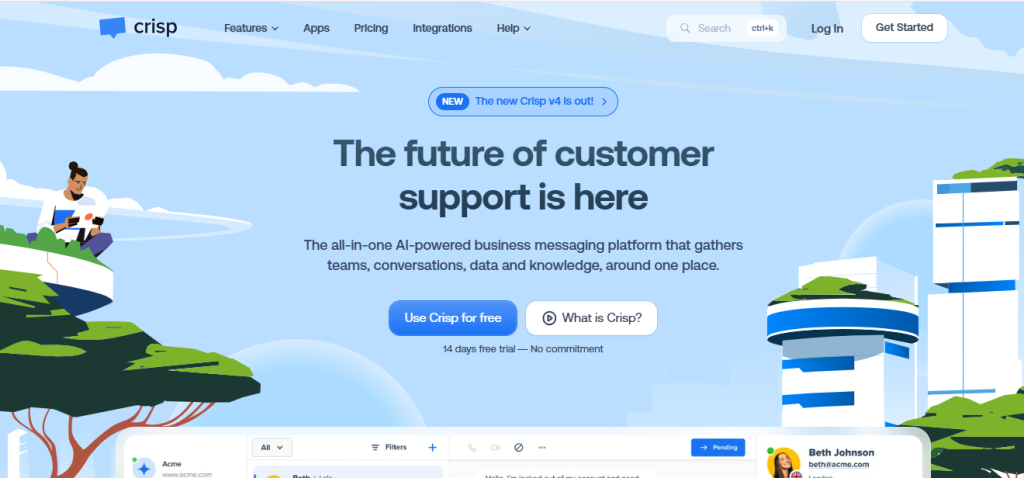
Crisp is a multi-channel messaging platform that includes live chat, email, Messenger, and more. It provides features like real-time co-browsing, team inboxes, and MagicBrowse—allowing agents to see what customers are viewing. Crisp’s user-friendly design and robust analytics make it suitable for tech-forward companies.
Best for:
Tech-forward teams that want enhanced engagement and detailed customer insights.
10. Olark
Olark offers a simple but powerful chat solution with features like searchable transcripts, custom forms, and real-time reporting. Its transparency tools, like visitor monitoring and agent activity tracking, help businesses fine-tune their support strategy and better serve customers.
Best for:
Businesses that value data-driven decision-making and want detailed records of every customer conversation.

11. Freshchat
Freshchat, part of the Freshworks suite, enables proactive engagement with customers using bots, email campaigns, and automated messaging. It integrates easily with popular CRMs and other customer support tools, making it ideal for businesses looking to scale their operations.
Best for:
Brands that want to scale their customer service efforts without sacrificing quality or personalization.

Benefits of E-commerce Live Chat
1. Faster Customer Support
Live chat tools reduce the time it takes to respond to customer queries by offering instant access to a support agent or bot. This helps eliminate long wait times commonly associated with phone or email support. Customers appreciate quick help, especially when making purchasing decisions. Prompt assistance can mean the difference between a sale and an abandoned cart.
2.Higher Conversion Rates
When shoppers receive immediate answers to their questions, they’re more likely to proceed with their purchase. Live chat can clarify doubts about product features, shipping, or return policies in real time. This decreases friction in the buying process and builds buyer confidence. As a result, live chat contributes directly to increased sales and fewer cart abandonments.
3. Cost-Effective Support
Unlike phone support that requires one-on-one conversations, live chat enables agents to handle multiple chats simultaneously. This allows businesses to provide efficient customer service with fewer resources. Over time, this translates to lower labor costs and higher productivity. Additionally, many live chat tools are affordable or even free, making them accessible for all business sizes.
4. Improved Customer Retention
Live chat creates a positive customer experience by offering fast, friendly, and knowledgeable support. When customers feel valued and well taken care of, they’re more likely to return. Building trust through effective communication results in increased loyalty and more repeat purchases, making live chat a long-term investment in customer satisfaction.
5. Data Collection and Insights
Chat tools capture valuable data such as common customer concerns, product feedback, and interaction patterns. These insights can inform business decisions across marketing, product development, and support. For instance, if multiple customers report issues with a product, it signals an area for improvement. Data-driven strategies lead to smarter business growth.
6. Automation and Scalability
As businesses grow, the demand for customer support increases. Live chat tools offer automation features such as chatbots and pre-set workflows to handle high volumes efficiently. Bots can answer FAQs, process orders, and collect contact information, freeing up agents for more complex tasks. This scalability helps businesses expand without sacrificing support quality.
7. Omnichannel Integration
Modern live chat platforms often integrate with other customer communication channels like email, SMS, and social media. This creates a unified customer experience where support is consistent regardless of the platform. Omnichannel chat tools enable businesses to manage all conversations from one dashboard, improving efficiency and customer satisfaction.
Related: 40 Effective Out of Office Messages with Examples
Conclusion
Live chat is more than a nice-to-have feature—it’s a competitive advantage in 2025.
By choosing the right tool, you’ll not only improve your customer service but also increase conversions, strengthen relationships, and drive long-term business growth. Start with your goals, consider your budget, and choose a live chat platform that aligns with your strategy for success.
