

Front Alternatives: Which Should You go For
Tools like Front have transformed how teams manage shared inboxes, customer inquiries, and internal communications by centralizing these processes into a single platform.
However, as businesses grow and their needs evolve, they may find that Front no longer aligns with their operational goals, budgets, or specific requirements.
In such cases, identifying the right alternative to Front becomes a strategic decision that can significantly impact team productivity, customer satisfaction, and overall business efficiency.
Choosing the right Front alternative is not just about replacing a tool—it’s about finding a solution that enhances workflows, improves customer experiences, and supports long-term scalability.
To make an informed decision, businesses must take a multi-faceted approach that begins with a clear understanding of their unique challenges and pain points.
For instance, are you struggling with disorganized email threads or difficulty in tracking customer interactions across multiple channels? Identifying these issues will help narrow down potential solutions that directly address your team’s specific needs.
Related: Top 8 Intercom Alternatives & Competitors
Key Considerations for Choosing the Right Front Alternatives
Selecting the perfect alternative to Front involves a careful evaluation of your team’s needs and the capabilities of the tool. Here are the key factors to consider in your decision-making process:
1. Features
The first consideration should be the features offered by the alternative platform. Assess whether it provides essential functionalities that align with your business requirements. Key features to look for include:
- Shared Inboxes: This allows multiple team members to manage communications collaboratively, ensuring that no customer inquiry goes unanswered.
- Automation: Look for tools that automate repetitive tasks, such as responding to common queries or routing tickets to the appropriate team members. Automation can significantly reduce response times and enhance overall efficiency.
- Analytics and Reporting: Robust analytics capabilities are crucial for tracking performance metrics, understanding customer interactions, and making data-driven decisions. Ensure the platform provides detailed reporting features that can help you gauge your team’s effectiveness.
2. Ease of Use
A user-friendly interface is essential for ensuring quick adoption across your organization. If a platform is overly complex or difficult to navigate, it can lead to frustration among team members and hinder productivity. Consider the following:
- Onboarding Process: Evaluate how easy it is to set up and implement the tool within your organization. A straightforward onboarding process can save time and resources.
- User Interface: Look for platforms with intuitive designs that require minimal training. Tools like Freshdesk or Missive are known for their user-friendly interfaces, making them accessible for teams with varying levels of technical expertise.
3. Integration
Integration capabilities are vital for maintaining a seamless workflow within your organization. The alternative you choose should easily integrate with your existing tools, such as:
- CRMs: Ensure compatibility with your customer relationship management system (e.g., HubSpot, Salesforce) to streamline data sharing and improve customer interactions.
- Project Management Software: Integration with tools like Asana or Trello can enhance collaboration among teams and ensure that tasks are tracked efficiently.
- Email Platforms: Compatibility with email services (e.g., Gmail, Outlook) is crucial for managing communications without switching between multiple platforms.
4. Scalability
As your business grows, so will your communication needs. It’s essential to select a solution that can scale alongside your organization. Consider:
- Flexible Pricing Plans: Look for platforms that offer tiered pricing structures, allowing you to upgrade as your team expands or as you require additional features.
- Advanced Features: Ensure that the tool can accommodate more complex functionalities as your needs evolve, such as advanced reporting or multi-channel support.
5. Cost
Finally, evaluate the cost of the alternative in relation to its features and benefits. Finding a solution that fits within your budget while providing essential functionalities is critical. Consider:
- Pricing Structure: Review whether the platform uses a per-user pricing model or offers flat-rate plans, and assess how this aligns with your budget.
- Value for Money: Analyze whether the features offered justify the cost. Sometimes, opting for a slightly higher-priced solution may provide better long-term value through enhanced capabilities and improved efficiency.
Related: The Best Chatbot Alternatives: Features, Benefits, and Comparisons
10 Best Alternatives to Front
Front is a powerful communication platform that combines email, chat, and other channels into a single interface. However, various businesses may seek alternatives that better fit their unique requirements. Below is a detailed overview of ten of the best alternatives to Front, highlighting their features, advantages, disadvantages, and pricing.
1. Salesgroup AI Chatbot
Salesgroup AI is an advanced chatbot specifically designed for sales teams. It automates lead generation and provides conversational analytics, allowing businesses to implement personalized sales strategies effectively.
Key Features:
- Lead Generation: Automates the process of capturing and qualifying leads.
- Conversational Analytics: Offers insights into customer interactions to refine sales tactics.
- Intuitive Design: User-friendly interface that simplifies workflow management.
Advantages:
- Enhances customer interactions through automated responses.
- Increases efficiency in sales operations by streamlining tasks.
- Tailored for businesses aiming to optimize their sales strategies.
Disadvantages:
- Primarily focused on sales; may lack broader customer support functionalities.
- Requires integration with existing systems for optimal performance.

2. Zendesk Suite
Zendesk Suite is a comprehensive customer service platform that integrates advanced tools with omnichannel support. It leverages natural language processing (NLP) to understand and respond to customer inquiries effectively.
Key Features:
- Omnichannel Support: Manage communications across email, social media, and live chat from one platform.
- Answer Bot: Provides self-service options for customers, reducing the load on support teams.
- Analytics and Reporting: Offers detailed insights into customer interactions and team performance.
Advantages:
- Highly scalable solution suitable for businesses of all sizes.
- Extensive integration capabilities with over 949 third-party applications.
- Robust reporting tools help in making data-driven decisions.
Disadvantages:
- Can be complex to set up and may require training for new users.
- Pricing can be high for smaller businesses or startups.

3. Intercom
Intercom focuses on personalized customer engagement through its chatbot solutions. It provides real-time messaging capabilities alongside automated responses for enhanced user experiences.
Key Features:
- Real-Time Messaging: Engage customers instantly through live chat features.
- Automated Responses: Use AI to handle common inquiries automatically.
- Detailed Analytics: Track user engagement and interaction metrics effectively.
Advantages:
- Versatile platform suitable for both marketing and customer support functions.
- Customizable workflows allow businesses to tailor responses based on user behavior.
Disadvantages:
- Pricing can be prohibitive for smaller teams or startups.
- Some users report a steep learning curve due to the platform’s extensive features.

4. Freshchat
Freshchat is an AI-powered customer support tool that simplifies ticket management and enhances customer interactions across multiple channels.
Key Features:
- Ticket Management System: Allows agents to prioritize tasks and automate repetitive queries.
- Multi-channel Support: Engage with customers via email, chat, phone, and social media.
- User-Friendly Interface: Designed for ease of use with straightforward navigation.
Advantages:
- Cost-effective plans make it accessible for small to medium-sized businesses.
- Automation features significantly reduce response times and improve efficiency.
Disadvantages:
- Some users find the initial setup complex.
- Vendor support can be inconsistent at times.

5. Drift
Drift is a conversational marketing platform that emphasizes real-time engagement with customers. It integrates AI capabilities to qualify leads, schedule meetings, and provide instant support.
Key Features:
- Lead Qualification Automation: Automatically qualifies leads based on predefined criteria.
- Meeting Scheduling Tools: Simplifies the process of booking meetings with prospects.
- Conversational Marketing Tools: Enhances engagement through personalized messaging strategies.
Advantages:
- Aligns sales and marketing teams effectively for improved conversions.
- Real-time engagement capabilities enhance customer experience significantly.
Disadvantages:
- May not be as robust in traditional customer support functions compared to other platforms.

6. Tidio
Tidio is a versatile chatbot platform designed primarily for small to medium-sized businesses. It combines live chat with email integration and AI-driven automation for efficient customer management.
Key Features:
- Live Chat Functionality: Engage customers in real-time via chat windows on websites.
- Email Integration: Manage email inquiries alongside live chat interactions seamlessly.
- AI Automation: Automates responses to common questions, improving response times.
Advantages:
- Customizable chat widgets allow businesses to match their brand aesthetics easily.
- User-friendly interface makes it simple for teams to manage inquiries efficiently.
Disadvantages:
- Limited advanced features compared to larger platforms like Zendesk or Freshdesk.

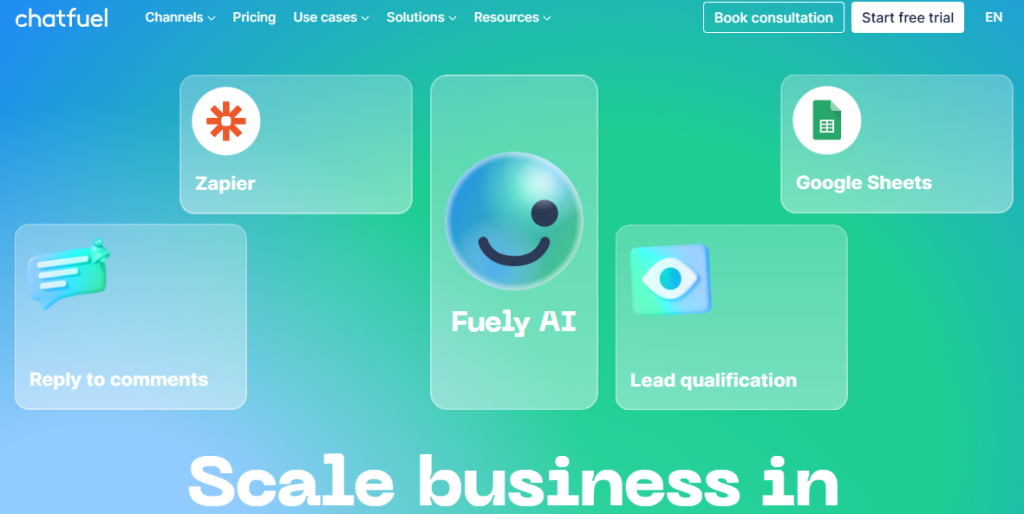
7. Chatfuel
Chatfuel is a no-code chatbot builder designed specifically for Facebook Messenger and Instagram. It allows businesses to create engaging bots without any programming knowledge required.
Key Features:
- Automated Responses: Set up bots that respond automatically to frequently asked questions.
- Lead Capture Tools: Capture leads through interactive conversations directly on social media platforms.
Advantages:
- Ideal for businesses focusing on social media engagement strategies.
- E-commerce integrations facilitate seamless shopping experiences directly through chatbots.
Disadvantages:
- Limited functionalities outside of social media platforms; not suitable for broader customer service needs.
8. ManyChat
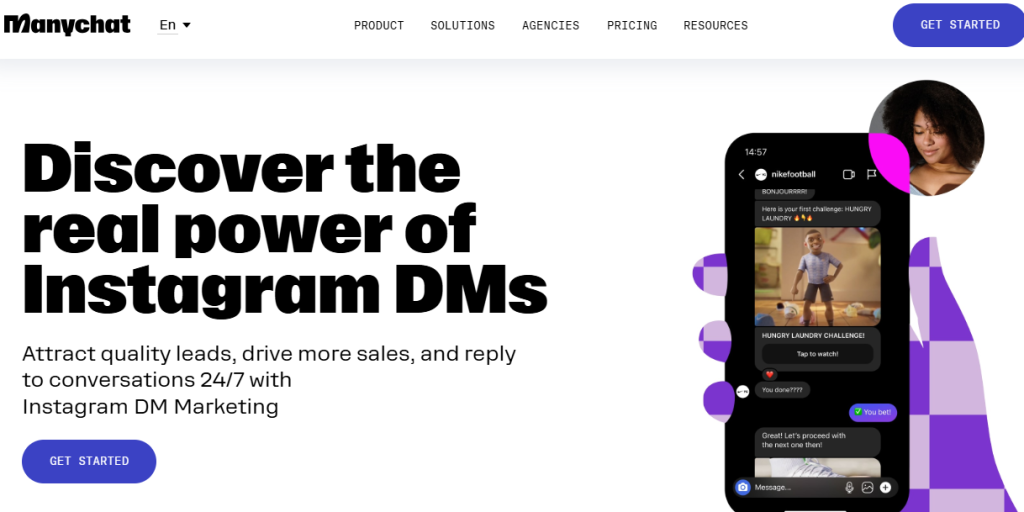
ManyChat is another popular platform aimed at enhancing social media engagement, particularly through Facebook Messenger and Instagram. It supports automated conversations and lead generation strategies effectively.Key Features:
- Automated Conversations: Create flows that guide users through interactions automatically.
- Integration Capabilities: Connects with tools like Mailchimp and Zapier for enhanced functionality.
Advantages:
- Excellent tool for boosting engagement rates on social media platforms.
- User-friendly interface allows easy setup of automated workflows without coding knowledge required.
Disadvantages:
- Focused primarily on social media; lacks comprehensive support capabilities outside these channels.
9. HubSpot’s ChatSpot
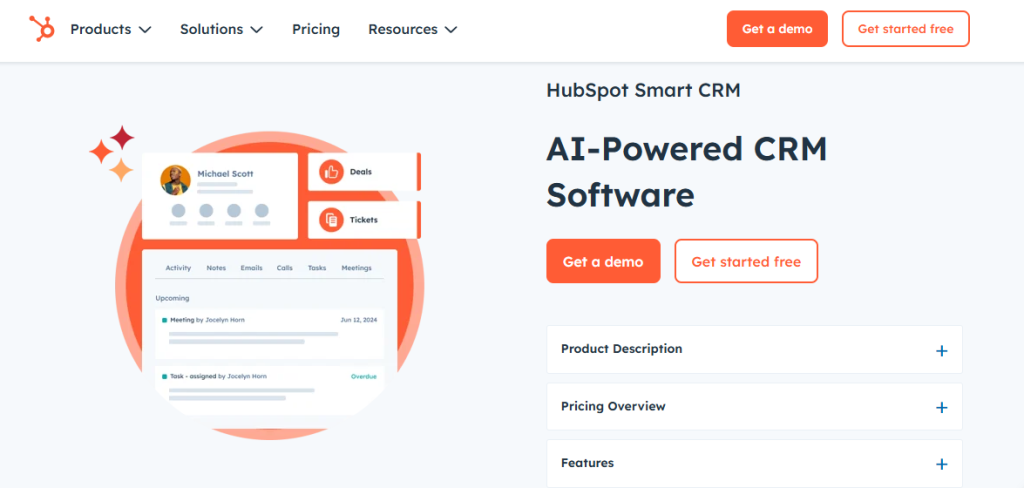
HubSpot’s ChatSpot is an AI-powered assistant integrated into HubSpot CRM that helps users manage contacts, run reports, automate tasks, and streamline productivity workflows effectively within one platform environment tailored specifically towards enhancing overall business operations management strategies across departments involved in customer relationship management processes such as sales or marketing efforts aimed at improving lead generation initiatives over time through data-driven insights provided by this powerful toolset offered by HubSpot itself!
Key Features:
- Contact Management Tools: Easily manage contacts while tracking interactions over time through automated logging processes built into the system itself!
- Report Generation Capabilities: Generate reports quickly based upon various metrics tracked throughout different campaigns run via HubSpot’s platform!
Advantages:
- Seamless integration with other HubSpot tools enhances overall productivity levels significantly!
- Comprehensive automation features reduce manual workload considerably!
Disadvantages:
- Some users may find it overwhelming due its extensive feature set which requires time investment upfront before realizing full benefits gained from using this solution effectively!
Conclusion
Selecting the right alternative to Front is a critical decision that can significantly influence your organization’s communication efficiency and overall productivity. As businesses continue to grow and adapt, their communication needs become more complex, necessitating a tool that not only addresses current challenges but also supports future scalability.
Among the various options available, Salesgroup AI stands out as a comprehensive solution designed to enhance customer engagement and streamline business operations. With its AI-powered chatbot, Jaci, Salesgroup AI delivers instant, human-like responses, achieving impressive resolution rates while providing live chat functionality for real-time interactions. This dual approach not only improves customer satisfaction but also enables businesses to manage inquiries more effectively.
