

5 Chatbot Examples From Top Brands: Inspiration 2026
Chatbots have become an integral part of modern business strategies, revolutionising customer service, marketing, and sales processes. From small startups to global enterprises, chatbots offer automation, efficiency, and 24/7 availability. In this detailed article, we will explore various chatbot examples across industries, their use cases, features, and how they can benefit businesses. Let’s dive in.
What is a Chatbot?
A chatbot is an AI-powered software application designed to simulate human conversation through text or voice interfaces. They can be rule-based, relying on pre-defined responses, or powered by advanced AI technologies like Natural Language Processing (NLP) and Machine Learning (ML).
The Role of Chatbots in Business
Chatbots serve as a bridge between businesses and customers, enhancing communication and providing immediate responses to inquiries. They can handle a wide range of tasks, from answering frequently asked questions to facilitating transactions and providing personalized recommendations. By automating these interactions, businesses can improve efficiency, reduce operational costs, and enhance the overall customer experience.
Types of Chatbots
Understanding the different types of chatbots is crucial for businesses looking to implement them effectively.
1. Rule-Based Chatbots
Rule-based chatbots operate based on a pre-defined decision tree. They work best for straightforward queries where the user’s input can be matched to specific responses. For example:
- Sephora’s Chatbot: This chatbot provides beauty recommendations based on user preferences and questions. It guides customers through product selections without needing human intervention.
2. AI-Powered Chatbots
AI-powered chatbots utilize NLP and ML to understand and respond dynamically to user inputs. These chatbots can learn from interactions and improve their responses over time. Examples include:
- Siri and Alexa: These virtual assistants provide general assistance by answering questions, setting reminders, and controlling smart devices.
3. Hybrid Chatbots
Hybrid chatbots combine rule-based structures with AI capabilities. They can handle simple queries using predefined rules while also utilizing AI for more complex interactions. An example is:
- H&M’s Chatbot: This fashion advisor bot helps users find clothing items based on personal style preferences while also providing tailored outfit recommendations.
Chatbot Examples and Explanations
1. Zendesk’s Answer Bot: AI-Powered Customer Support Assistant

Zendesk’s Answer Bot uses advanced NLP to handle up to 90% of customer inquiries, reducing human agent workload while improving response times. It integrates seamlessly with web widgets, mobile apps, and social media platforms.
The bot also promotes self-service by suggesting relevant help center articles to customers. It continuously improves by learning from feedback and data, ensuring more accurate responses over time. Businesses can customize the bot to align with their brand, including personalized greetings and responses.
This AI-powered assistant resolves issues faster, allowing human agents to focus on complex tasks. By enhancing efficiency and scalability, Answer Bot boosts customer satisfaction and provides robust support for businesses of all sizes.
2. Ada Health: AI-Powered Symptom Checker

Ada Health is an AI-driven symptom checker that helps users assess their health conditions. Users input symptoms, and Ada provides a list of possible causes based on a comprehensive medical knowledge base. Ada promotes self-care by educating users about their symptoms, conditions, and treatment options.
The app is designed for privacy, adhering to strict data security regulations. Ada helps reduce unnecessary doctor visits and encourages proactive health management. With continuous learning from user feedback, Ada improves over time, delivering more accurate results.
It also advises when to seek professional medical help. Ada is an essential tool for individuals wanting to understand their health better and make informed decisions about their well-being.
Related: 200+ Chatbot Names and Ideas to Give Your Next Bo
3. Erica by Bank of America: Financial Management Assistant

Erica, the virtual assistant from Bank of America, simplifies personal financial management. It offers real-time account updates, spending insights, and transaction history, helping users track finances effortlessly. Erica automates routine tasks, like bill payments and fund transfers, saving users time and ensuring timely payments.
The assistant also offers personalized financial advice based on user behavior, helping them make informed decisions about saving and spending. Erica integrates with mobile banking, providing users with a comprehensive overview of their finances.
By offering tips to improve financial literacy, Erica empowers users to manage their money more effectively. It is a user-friendly, secure tool designed to improve financial well-being and streamline banking activities.
4. ManyChat: Social Media Engagement Bot
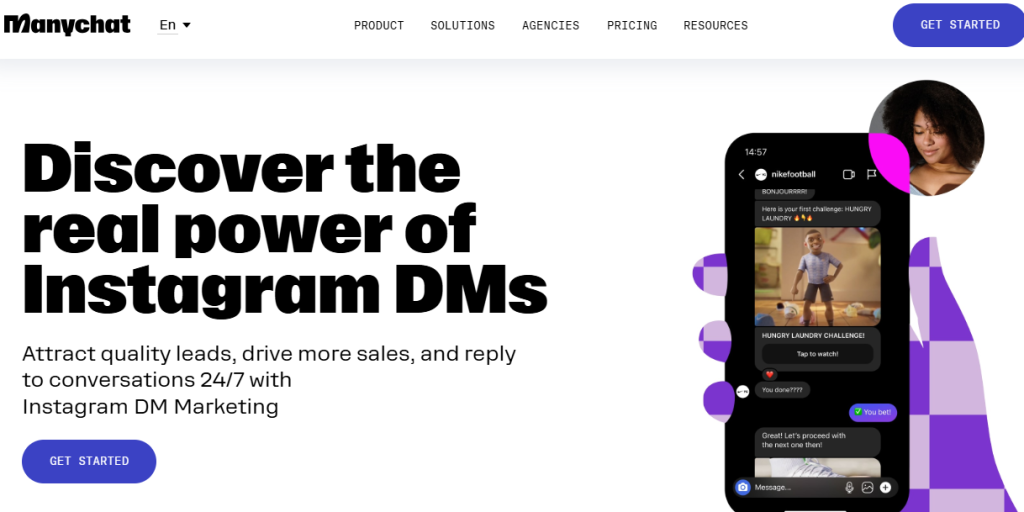
ManyChat is an AI-powered platform that automates social media interactions, primarily through Facebook Messenger and Instagram. It helps businesses engage customers by automating lead generation, offering personalized responses, and managing customer inquiries.
ManyChat’s Lead Generation tools capture customer data via interactive quizzes and surveys, building accurate profiles for targeted marketing. It also features Automated Conversations, addressing common questions and providing quick responses to customers.
This reduces response times, improving customer satisfaction. Additionally, ManyChat integrates with third-party tools like Mailchimp and Zapier, allowing businesses to streamline their marketing efforts across various platforms. ManyChat enhances customer engagement, saves time, and improves business communication through automation.
5. Expedia Chatbot: Travel Planning Assistant
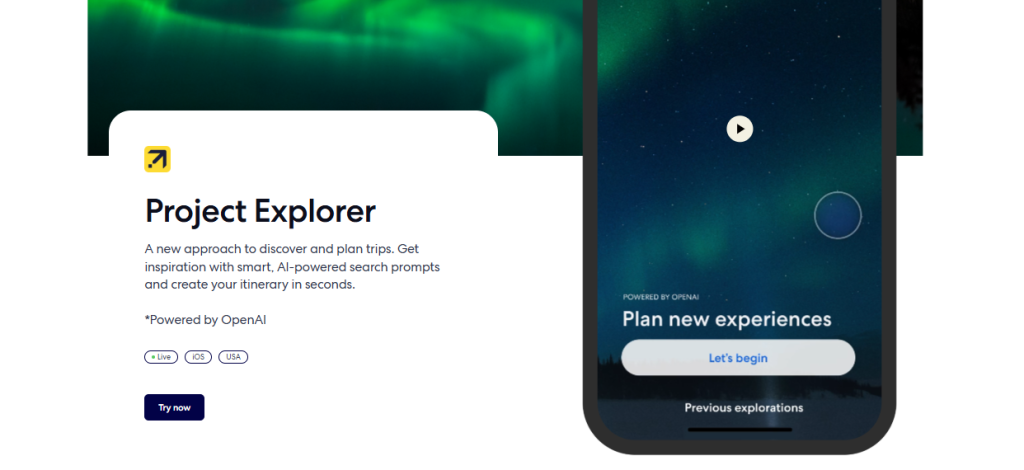
The Expedia Chatbot is an AI assistant designed to simplify travel planning. It offers personalized recommendations for flights, hotels, and activities based on user preferences.
With Real-Time Recommendations, it suggests options that fit the user’s budget and needs. The Natural Language Understanding feature allows the chatbot to handle conversational queries efficiently, making the process feel like interacting with a human. The chatbot also manages Booking Changes, enabling users to modify travel plans directly.
This reduces the need for manual intervention and improves the overall experience. By automating booking and providing instant assistance, the Expedia Chatbot saves time, enhances convenience, and ensures a seamless travel planning process.
How to Build a Chatbot
Building an effective chatbot involves a structured approach to ensure it meets user needs and functions optimally. Here’s a comprehensive guide to the essential steps in creating your chatbot:
1. Define Objectives
The first step in developing a chatbot is to clearly define its purpose. Identify whether the chatbot will serve customer support, lead generation, or another specific function. Understanding the primary objectives will guide the design and functionality of the bot.
For instance, if the goal is to assist customers with inquiries, the chatbot should be equipped with FAQs and troubleshooting capabilities. Conversely, if it’s for lead generation, it should focus on capturing user information and nurturing leads.
2. Select a Platform
Choosing the right platform is crucial for your chatbot’s development. There are numerous tools available, such as Dialogflow, ManyChat, and Microsoft Bot Framework, each catering to different technical capabilities and requirements.
Evaluate these platforms based on factors like ease of use, integration capabilities with existing systems, and support for natural language processing (NLP). Selecting a suitable platform will streamline the development process and enhance the bot’s functionality.
3. Design Conversation Flow
Creating a structured conversation flow is essential for ensuring meaningful interactions between users and the chatbot. Map out various dialogue paths that consider different user inputs and potential edge cases.
This involves designing intuitive prompts and responses that guide users through their inquiries smoothly. Utilizing tools that allow for visual mapping of conversation flows can help in visualizing how users will navigate through interactions.
4. Train the Chatbot
For AI-driven chatbots, training is a critical step that involves using diverse datasets to improve understanding during interactions. Gather historical data from customer support logs or use third-party datasets to train the bot on various intents and responses.
The goal is to enhance its ability to accurately interpret user queries and provide relevant answers. Continuous training based on real user interactions will further refine its performance over time.
5. Test and Launch
Before launching your chatbot, rigorous testing is necessary to ensure its functionality across various scenarios. Conduct user testing with real individuals to identify any issues or areas for improvement.
Implement fallback responses for edge cases where the bot may struggle to provide satisfactory answers, directing users toward human agents when necessary. Once testing is complete and adjustments are made, you can confidently launch your chatbot.
6. Monitor and Optimize
After deployment, ongoing monitoring is essential to assess the chatbot’s performance. Analyze user interactions to gather insights into its effectiveness and identify any recurring issues or opportunities for enhancement. Regularly update the bot’s knowledge base and features based on user feedback and analytics data to ensure it remains relevant and useful
Benefits of Using Chatbots in Business
The implementation of chatbots in business operations offers a multitude of advantages that can significantly enhance customer service and overall efficiency. Here are some of the key benefits:
1. 24/7 Availability
One of the most compelling advantages of chatbots is their ability to provide round-the-clock assistance. Unlike human agents, who have limited working hours, chatbots are available 24/7 to respond to customer inquiries at any time.
This ensures that customers receive immediate support, regardless of time zones or business hours. As a result, businesses can improve customer satisfaction by addressing issues promptly and reducing wait times for responses.
2. Cost Efficiency
Implementing chatbots can lead to substantial cost savings for businesses. By automating routine inquiries and tasks, companies can reduce the need for large customer service teams. This not only lowers labor costs but also minimizes operational expenses associated with training and maintaining a human workforce.
Chatbots can handle a high volume of interactions simultaneously, allowing businesses to allocate resources more effectively while still providing quality customer service.
3. Improved Customer Engagement
Chatbots facilitate personalized interactions that enhance customer engagement. Through the use of AI and machine learning, chatbots can analyze user data and preferences to tailor responses and recommendations accordingly. This level of personalization fosters a more engaging experience for customers, leading to higher satisfaction rates and increased loyalty. When customers feel understood and valued, they are more likely to return for future purchases.
4. Data Collection and Insights
Chatbots serve as valuable tools for collecting data on customer interactions, preferences, and behaviors. This information can be analyzed to gain insights into customer needs and trends, informing future marketing strategies.
By understanding what customers are looking for, businesses can tailor their offerings and communications to better align with market demands. This data-driven approach enhances decision-making processes and helps businesses stay competitive.
Challenges Faced by Chatbots
1. Understanding Context
Chatbots may struggle to accurately interpret the nuances of user intent, leading to miscommunications or responses that don’t fully address the question. This can result in user frustration and a diminished perception of the chatbot’s effectiveness.
2. Handling Complex Queries
While chatbots excel at answering straightforward questions, they may falter when confronted with more intricate or specific inquiries. In these cases, the bot might not possess the knowledge or capacity to provide a satisfactory answer, necessitating human intervention. This limits the chatbot’s ability to function as a fully autonomous support tool and can lead to delays in resolution.
3. Privacy Concerns
Users often hesitate to share personal or sensitive information with chatbots, fearing that their data may be compromised. Despite advancements in security protocols, the perception of chatbots as potential privacy risks can hinder their full integration into sectors that require trust, such as healthcare or finance. Addressing these concerns is crucial to improving chatbot adoption and ensuring that users feel confident in interacting with them.
Conclusion
Chatbots have transformed the digital landscape by offering efficiency, automation, and enhanced customer experiences across various industries—from healthcare to e-commerce. By understanding various chatbot examples and their use cases, businesses can leverage this technology for growth and customer retention while staying competitive in an increasingly digital world.
As we move forward into an era where customer expectations continue to rise, the role of chatbots will only become more significant in the shaping of how businesses interact with their customers. This is what makes it essential for companies to adopt this technology strategically for long-term success in their respective markets.
