

Knowledge-centered service: What it is & How to
Knowledge-centered service (KCS) is a customer support methodology that turns every interaction into an opportunity to create, refine, and share knowledge.
What is Knowledge-Centred Service
Knowledge-Centered Service (KCS) is a support methodology that focuses on creating, sharing, and improving knowledge as a core part of the customer service process. It ensures that every issue handled by support teams contributes to a centralized knowledge base that becomes more accurate and valuable over time.
Instead of relying on scattered documents or individual expertise, KCS builds a centralized, evolving knowledge base that empowers both customers and support teams to find accurate answers faster.
By capturing solutions as they happen and improving them over time, KCS helps businesses deliver consistent support, reduce resolution times, and scale efficiently without sacrificing quality.
How does Knowlege-Centred Service Works
Knowledge-Centered Service (KCS) works by integrating knowledge creation and improvement directly into the customer support workflow. Here’s how it operates, in a clear and simple structure:
1. Capture knowledge as you solve issues
Support agents document solutions in real time while handling customer inquiries. Instead of writing after the fact, they capture what they learn in the moment.
2. Reuse existing knowledge first
Agents start every interaction by searching the knowledge base. If a relevant article exists, they use it to resolve the issue ensuring consistent answers across the team.
3. Improve knowledge continuously
If an article is unclear, incomplete, or outdated, agents update it as part of their workflow. This keeps the knowledge base accurate and user-friendly.
4. Create new knowledge when needed
If no solution exists, the agent creates a new article based on the steps they used to solve the problem. This ensures the knowledge base grows naturally from real-world cases.
5. Validate and structure content
Experienced reviewers and content owners ensure articles meet quality standards. They check clarity, structure, and relevance.
6. Share knowledge widely
The improved content becomes accessible to the entire support team—and often directly to customers through self-service options.
7. Measure and optimize
Performance metrics like article reuse, time to resolution, and customer satisfaction help teams refine the knowledge process and identify gaps.
Benefits of KCS
1. Faster Issue Resolution
Because agents search the knowledge base first, they quickly find solutions that have already been proven to work. This reduces handling time and speeds up responses.
2. Consistent Customer Support
Everyone uses the same standardized articles, so customers receive accurate and uniform answers regardless of which agent they speak to.
3. Lower Support Workload
As the knowledge base grows, customers can solve more issues through self-service. This reduces ticket volume and frees support teams to focus on complex requests.
4. Continuous Knowledge Improvement
Articles are refined during everyday workflows. Each interaction helps improve clarity, accuracy, and completeness, keeping the knowledge base current.
5. Faster Onboarding for New Agents
New support staff learn by searching and using the knowledge base. This shortens training time and helps them become productive sooner.
6. Scalable Support Operations
The knowledge base grows with the organization, allowing support teams to handle more customers without proportional increases in headcount.
Challenges of KCS
1. Cultural and Behavioral Shift
Teams must adopt habits like searching before responding and documenting as they work. This shift can be difficult if agents are used to relying on memory or personal notes.
2. Maintaining Article Quality
Without clear guidelines and review processes, articles may become inconsistent or poorly written. Quality control is essential.
3. Time-Consuming Initial Setup
Designing templates, workflows, permissions, and review rules requires effort. The early stages can feel slow before benefits appear.
4. Risk of Inconsistent Content
If agents lack training in writing or documentation, articles may vary in style and clarity. This leads to confusion and uneven user experiences.
5. Ongoing Maintenance Required
KCS is not a one-time project. It needs continuous updates, reviews, and monitoring to keep the knowledge base relevant and accurate.
How to Effectively Implement Knowledge-Centered Service in Your Organization
1. Embrace Automation and AI
Use AI-driven tools to simplify how knowledge is created, updated, and used across your support team. Automation helps agents capture solutions faster, reduces repetitive tasks, and boosts the accuracy of your knowledge base.
With AI assisting in search, article suggestion, and content organization, teams can deliver faster, more consistent support while focusing on complex issues that require human insight.
2. Adopt a Customer-First Approach
Build your knowledge process around what customers actually need. Use common inquiries, customer feedback, and real support interactions to guide the type of content you create. Focus on clarity, easy navigation, and self-service accessibility so customers can resolve issues on their own.
A strong customer-first mindset ensures your knowledge base remains useful, relevant, and aligned with real-world problems.
3. Partner With a Reliable Knowledge Base Service
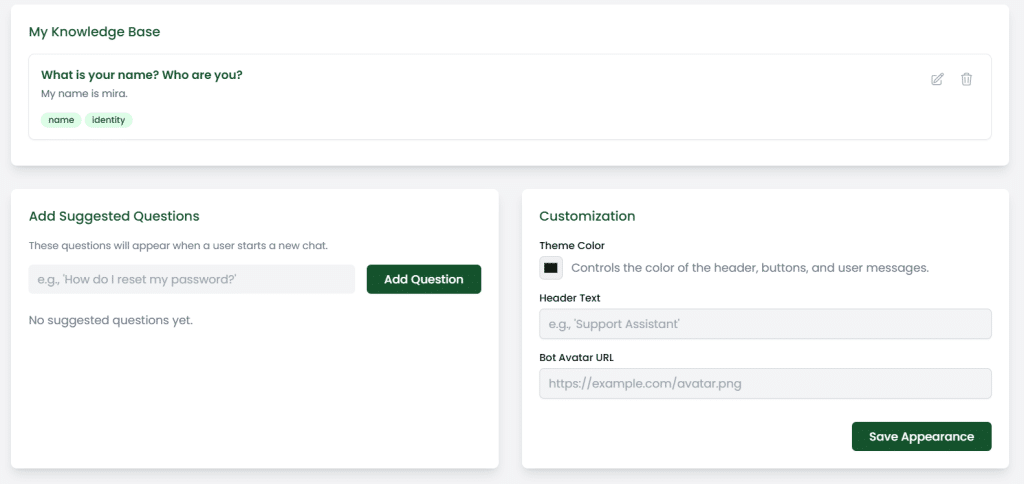
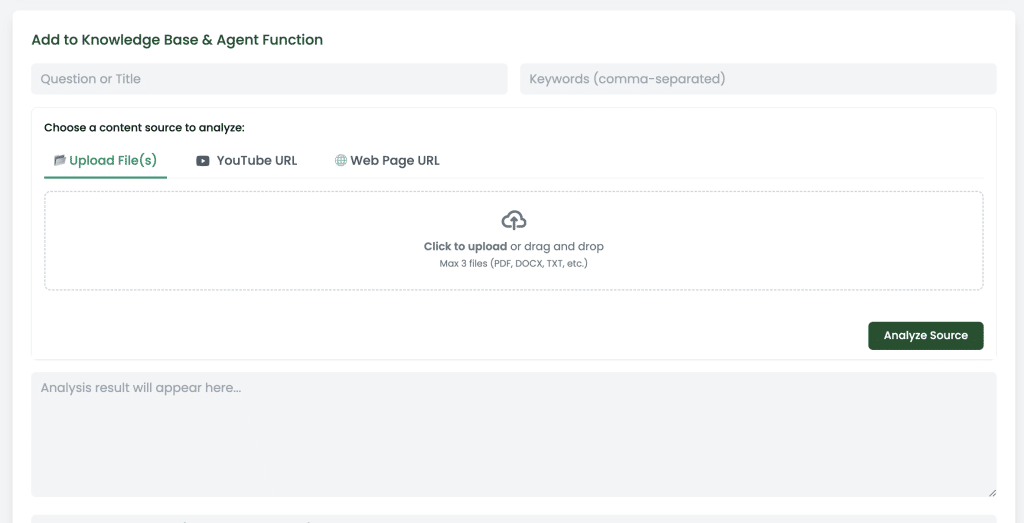
Work with a trusted platform like SalesGroup to set up and maintain a scalable, efficient knowledge base. SalesGroup provides AI-powered tools that help you build structured articles, automate updates, and keep content organized without overwhelming your team.
By partnering with SalesGroup, your organization gains a central knowledge hub that supports KCS workflows, enhances agent productivity, and strengthens your customer service operation. This partnership ensures your knowledge system grows with your business and stays optimized for long-term success.
4. Train and Empower Your Support Team
Equip your team with the skills and confidence to create, update, and use knowledge effectively. Provide training on how to write clear articles, follow templates, and search the knowledge base before responding to issues.
Encourage a culture where agents feel responsible for knowledge accuracy and improvement. When employees understand the value of KCS and feel empowered to contribute, the knowledge base becomes stronger and more reliable.
5. Measure Performance and Continuously Improve
Track key metrics such as article reuse, time to resolution, customer satisfaction, and content quality. Use these insights to identify knowledge gaps, improve workflows, and refine your KCS process over time.
Schedule regular audits to remove outdated information and strengthen high-impact articles. Continuous improvement keeps your knowledge base fresh, useful, and aligned with changing customer needs.
Improve Your KCS With SalesGroup AI
SalesGroup AI enhances every stage of knowledge-centered service by automating article creation, optimizing content quality, and helping your team find accurate answers instantly.
With intelligent tools that support knowledge capture, organization, and continuous improvement, SalesGroup AI makes it easier to scale your support operations and deliver consistent, high-quality customer service.
