

What is Proactive Live Chat? Benefit & Tips
Customer expectations have shifted drastically in today’s world. No longer are users content with waiting for help—they want answers instantly. This is where proactive live chat enters the scene. It’s not just about responding when customers reach out; it’s about anticipating their needs and initiating helpful conversations before they ask.
Proactive live chat is changing how businesses interact with customers online. Imagine browsing a product page and receiving a timely message asking if you need help choosing the right option. That small interaction can drastically change the customer experience—turning confusion into clarity and hesitation into action.
This guide explores everything you need to know about proactive live chat—from its benefits and how it works to best practices and top tools to consider. Whether you run a startup, an eCommerce brand, or a large-scale SaaS company, proactive live chat can elevate your customer support strategy and drive measurable results.
We’ll also introduce ten of the best proactive chatbot tools available today, with Salesgroup.ai taking the lead. These tools combine artificial intelligence, automation, and behavioral tracking to ensure that every visitor to your site gets timely, relevant, and helpful engagement.
Let’s dive in.
What Is Proactive Live Chat?
In an age of instant communication, proactive live chat stands out as a vital strategy for enhancing customer support and increasing conversions. Unlike reactive chat—which waits for customers to initiate conversations—proactive live chat involves businesses taking the first step. It could be a personalized greeting, assistance prompt, or suggestion based on customer behavior.
Imagine a customer spending five minutes on your pricing page. A proactive chat window appears: “Need help choosing the right plan?” That’s proactive support. It anticipates the user’s needs and offers help before confusion leads to cart abandonment or support tickets.
Proactive live chat combines real-time communication with behavioral triggers and artificial intelligence. By using chatbots or human agents, businesses can engage visitors, reduce bounce rates, and guide users through complex journeys. It’s about being helpful before being asked.
Let’s explore the benefits, strategies, and best proactive chatbot tools available today.
Why Proactive Live Chat Matters
1. Increases Engagement and Conversion
Proactive live chat initiates conversations based on visitor behavior, encouraging them to stay longer and explore more. A timely message can push a hesitant user toward completing a purchase. Businesses that use proactive chat see an increase in conversion rates by up to 40%.
Instead of waiting for customers to reach out, you engage them when they need help the most. This not only enhances the user experience but also builds trust and nudges users down the sales funnel with personalized support.
2. Reduces Bounce Rate
Many users leave websites without taking action due to confusion or lack of direction. Proactive chat tools can detect such behavior and trigger a message to retain visitors. For instance, a prompt that appears when users try to exit the site can offer a discount or redirect them to helpful resources.
By initiating interaction, these tools keep users engaged, increasing the chances of achieving your business goals—whether it’s a sign-up, sale, or content download.
3. Enhances Customer Experience
Today’s customers expect quick and seamless support. Proactive chat offers real-time solutions before the user even identifies the problem. Whether it’s product advice, technical support, or onboarding help, proactive messages show that your brand is attentive and ready to assist.
This thoughtful approach elevates your brand’s perception and builds customer loyalty. Happy customers often become repeat buyers and brand advocates.
4. Improves Lead Qualification
Customer Segmentation: Definition, Guides & ExamplesChatbots can ask qualifying questions upfront, helping you segment leads and prioritize follow-ups. For example, a bot might ask, “Are you looking for a solution for a small team or enterprise?”
By gathering this data proactively, your sales team receives better-qualified leads with context, speeding up the sales process and improving close rates.
5. Provides Behavioral Insights
Proactive chat tools often include analytics that show what triggers engagement. You can identify which pages lead to the most questions or where users typically drop off.
These insights are invaluable for refining your website, marketing strategy, and customer support processes.
How Proactive Live Chat Works
Proactive live chat tools rely on behavioral triggers, AI, and automation to anticipate user needs. Here’s how the typical workflow functions:
1. Behavioral Tracking
These tools monitor actions like time on page, scroll depth, click patterns, or exit intent. Based on this data, they determine the best time to launch a chat prompt.
This level of tracking allows businesses to deliver tailored messages that resonate with the user’s current stage in the journey.
2. Trigger-Based Messaging
Chat prompts are activated by predefined triggers. For example, if a user spends 60 seconds on a pricing page, a message could pop up offering assistance or a product comparison.
Triggers can also include returning visitors, location, device type, or referral source—allowing for hyper-personalized experiences.
3. AI-Powered Responses
Most tools use AI chatbots for initial conversations. These bots provide instant replies, gather information, and even complete transactions.
AI ensures round-the-clock engagement and seamless scalability, especially during high traffic or off-hours.
4. Human Takeover
If the conversation becomes complex, it can be handed over to a live agent. This hybrid model ensures both speed and depth of support.
The transition is typically smooth, with bots briefing the human agent on the context, reducing repetition and wait time.
Top 10 Proactive Live Chat Tools
1. Salesgroup.ai
Salesgroup.ai is an intelligent proactive chat tool built for growth-focused companies. It uses real-time behavioral tracking and AI to deliver hyper-personalized conversations.
With Salesgroup.ai, you can automate lead generation, customer support, and sales follow-ups. Its proactive messaging system detects when users show high intent—like hovering over checkout—and initiates targeted chat prompts.
What sets Salesgroup.ai apart is its predictive capabilities. It anticipates user needs before they articulate them. Features include CRM integration, analytics, and sentiment tracking. For enterprise teams, it supports custom workflows and multilingual support.

2. Drift
Drift combines AI, live chat, and automation to create a conversational experience tailored to your visitors. Its strength lies in proactive lead engagement.
When a user visits your pricing page or downloads a whitepaper, Drift can launch a chat asking if they need help. With powerful routing features, it connects high-value leads to the right sales rep instantly.
Drift also includes a calendar integration, so visitors can book meetings directly through the chat window, making it a great B2B tool.

3. Tidio
Tidio is a popular choice among small and medium businesses. Its proactive chat feature is easy to set up with templates that trigger based on time spent on a page, exit intent, or other user actions.
Tidio’s chatbot builder allows for no-code customization, and it integrates with tools like Shopify, WordPress, and Mailchimp. Its affordability and ease of use make it a go-to for eCommerce and service-based businesses.

4. LiveChat
LiveChat is a comprehensive solution trusted by brands worldwide. It offers proactive messaging powered by behavioral triggers and integrates with over 200 tools.
You can set up greetings based on user location, referral source, or time of visit. With its advanced reporting, you’ll see which messages work best and refine your strategy accordingly.
LiveChat also supports file sharing, AI suggestions, and agent ratings to enhance the support experience.

5. ChatBot (by LiveChat)
ChatBot is a robust tool that enables businesses to build intelligent bots without coding. Its proactive features allow you to trigger messages across the customer journey—from landing pages to checkout.
It works well with LiveChat and integrates seamlessly with Facebook Messenger, Slack, and Zapier. ChatBot excels at handling FAQs, gathering lead data, and guiding users toward actions.

6. Zendesk Chat (formerly Zopim)
Zendesk Chat brings proactive messaging into the Zendesk ecosystem. If you already use Zendesk for support, this is a natural addition.
Zendesk Chat allows for customizable triggers based on user behavior, plus real-time visitor tracking. It helps you anticipate questions and assist customers instantly. With built-in analytics and AI features, it boosts your support team’s responsiveness and efficiency.

7. Intercom
Intercom is a customer engagement platform with strong proactive capabilities. It uses event-based triggers to send personalized messages.
Its bots can qualify leads, provide onboarding, or offer product suggestions. Intercom’s strength lies in its integration with product analytics, allowing for deep customization based on user behavior.
If your team wants to mix proactive support with in-app messaging, Intercom is a top-tier solution.

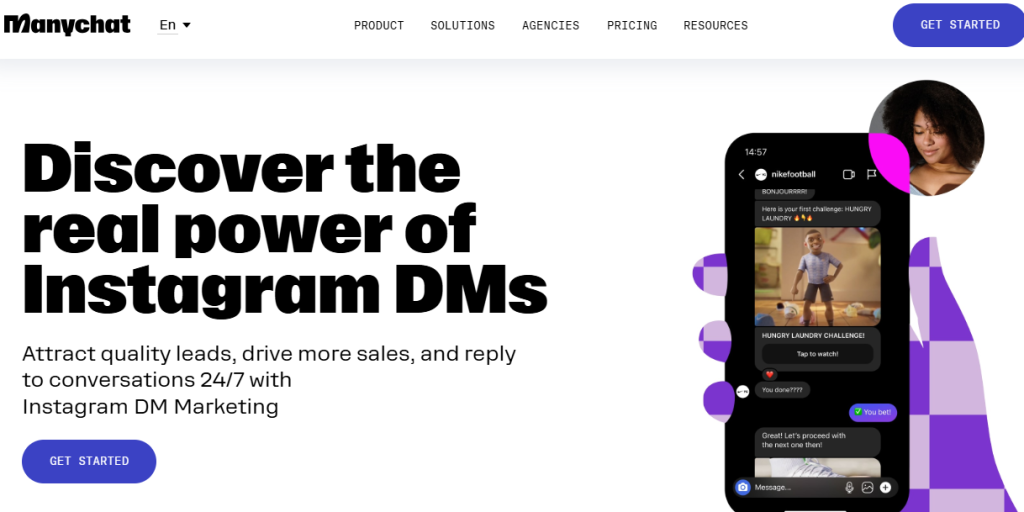
8. ManyChat
ManyChat is a favorite for businesses using Facebook Messenger and Instagram. It lets you create automated, proactive conversations that convert.
You can send messages based on interactions like commenting on a post or visiting a landing page. ManyChat also offers templates for lead magnets, appointment booking, and follow-ups.
While not as advanced for website chat, it’s a must-have for social selling and influencer marketing.
9. Crisp
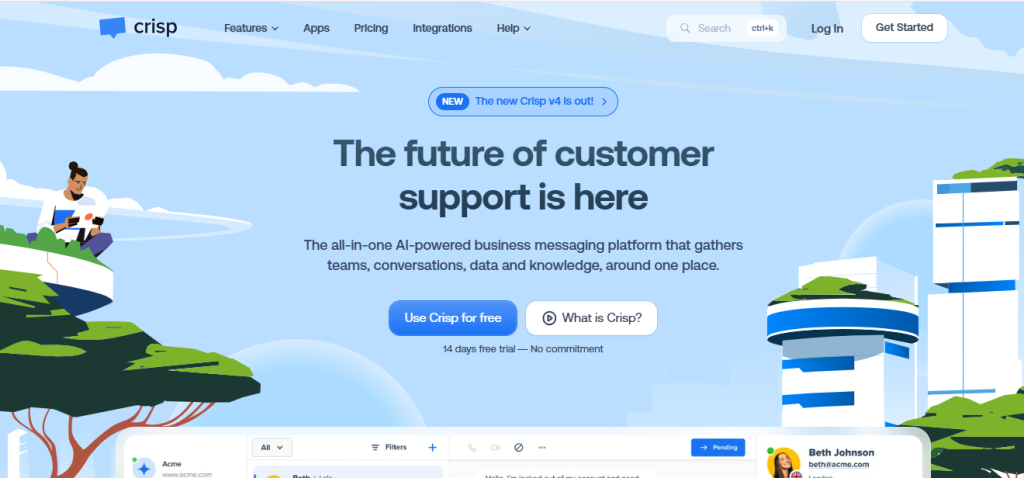
Crisp offers proactive chat capabilities alongside email, messenger, and knowledge base tools. Its bots can initiate conversations based on predefined rules and transfer them to humans when needed.
Crisp’s shared inbox and co-browsing features make collaboration easy. It’s perfect for startups and SaaS businesses that want an all-in-one support platform.
10. Olark
Olark is a live chat tool with proactive messaging, real-time analytics, and powerful automation. It’s lightweight, simple, and integrates well with CRM systems.
You can set rules to greet visitors or offer help after a specific time on a page. It also allows agents to see what users are typing before they hit send, helping them prepare better responses.

Best Practices for Proactive Live Chat
1. Don’t Be Intrusive
Too many pop-ups can annoy users. Use triggers wisely and time your messages based on intent signals rather than random intervals.
2. Personalize Messages
Use the visitor’s name, location, or behavior to make your chats relevant. A message like “Still comparing our plans? Let us help you decide” feels more helpful than generic greetings.
3. Keep It Short and Clear
Use clear, concise language. Start with a simple question or helpful suggestion. Don’t overwhelm users with too much text at once.
4. Route to the Right Agent
Use bots to qualify the issue and pass it to the right team member. This reduces wait times and ensures accurate responses.
5. Measure and Optimize
Track metrics like chat engagement rate, resolution time, and satisfaction scores. Test different messages and timings to see what works best for your audience.
Conclusion
Proactive live chat is more than a tool—it’s a customer engagement strategy that anticipates needs and creates better digital experiences. Whether you’re running an eCommerce store or a B2B SaaS company, initiating timely conversations can boost conversions, reduce churn, and improve satisfaction.
From AI-driven solutions like Salesgroup.ai and Drift to flexible platforms like Tidio and ManyChat, there’s a proactive live chat tool for every business size and model.
Start small, experiment with triggers, and optimize as you learn more about your customers. The result? Higher engagement, faster support, and happier users.
