
10 Best Cloud-Based Ticketing Systems 2026
As organizations increasingly rely on digital interactions, the demand for sophisticated tools to manage inquiries, issues, and requests has grown exponentially. Cloud-based ticketing systems have emerged as a cornerstone of effective service delivery, offering a flexible, scalable, and accessible solution for businesses of all sizes.
These systems centralize communication, automate workflows, and provide valuable insights, transforming how support teams operate and how customers experience service.
In this article, we will be exploring the core characteristics of these systems, their benefits, and reviewing the top 10 cloud-based ticketing solutions. Let’s dive in.
What is a Cloud-Based Ticketing System?
A cloud-based ticketing system is a help desk software solution that operates entirely on a cloud platform, accessible via any web browser or internet-connected device.
Unlike traditional on-premise systems that require significant upfront investment in hardware, software licenses, and IT infrastructure, cloud-based solutions are typically offered as Software-as-a-Service (SaaS) by third-party providers. This model simplifies deployment, maintenance, and updates, allowing businesses to focus on delivering exceptional customer service without the technical complexities.
Essentially, it acts as a centralized hub for managing all customer or internal requests, often referred to as “tickets.” These tickets capture all relevant information about an issue, including the requestor’s details, a summary of the problem, priority level, status, timestamps, and all communications or updates regarding its resolution.
Characteristics of Cloud-Based Ticketing Systems
Cloud-based ticketing systems are distinguished by several key characteristics that contribute to their widespread adoption and effectiveness:
1. Accessibility and Mobility
One of the most defining features is their accessibility from anywhere with an internet connection. This enables support agents and administrators to access the tool via any device (laptop, tablet, smartphone), promoting flexibility and remote work capabilities.
This is particularly beneficial for distributed teams or businesses offering 24/7 support.
2. Scalability
Cloud-based systems are inherently scalable, meaning they can easily adapt to fluctuating demand and organizational growth. As your customer base expands or ticket volumes increase, you can effortlessly scale up your resources without needing to purchase and install additional hardware. Conversely, you can scale down during quieter periods, ensuring cost-efficiency.
3. Cost Efficiency
The subscription-based pricing model of SaaS cloud solutions eliminates large upfront capital expenditures associated with on-premise solutions. Businesses pay a recurring fee, which typically includes software access, hosting, maintenance, and updates. This “pay-as-you-go” approach makes advanced ticketing capabilities accessible to businesses with varying budgets.
4. Automation and Workflow Management
A core strength of these systems is their ability to automate repetitive tasks and streamline workflows. This includes:
- Automated Ticket Routing: Automatically assigning tickets to the right team or individual based on predefined rules, categories, or keywords.
- Automated Responses: Sending instant acknowledgments or common answers to frequently asked questions.
- Escalation Protocols: Automatically escalating tickets that breach Service Level Agreements (SLAs) or remain unresolved for too long.
- Task Assignment: Automatically assigning sub-tasks or follow-ups within a ticket.
5. Multi-Channel Support
Modern cloud-based ticketing systems unify interactions from various communication channels into a single, centralized inbox. This means queries from email, live chat, phone calls, social media, and web forms are all converted into tickets and managed from one dashboard, ensuring a consistent and seamless customer experience regardless of the channel used.
6. Reporting and Analytics
These systems offer robust reporting and analytics capabilities, providing valuable insights into support operations. Key metrics tracked include:
- Response Times: How quickly agents respond to new tickets.
- Resolution Rates: The percentage of tickets successfully resolved.
- Customer Satisfaction (CSAT): Feedback from customers on their support experience.
- Agent Performance: Individual agent productivity and efficiency.
- Ticket Volume Trends: Identifying peak periods and common issues.
7. Integrations
Cloud-based ticketing systems often integrate seamlessly with other business critical applications, such as Customer Relationship Management (CRM) systems, Enterprise Resource Planning (ERP) software, marketing automation platforms, and communication tools. This creates a unified view of the customer and streamlines overall business processes.
8. Security and Reliability
Reputable cloud providers invest heavily in security infrastructure, including data encryption, regular backups, disaster recovery protocols, and compliance with various industry standards (e.g., GDPR, HIPAA). This typically offers a higher level of data security and uptime compared to many on-premise setups, as the provider manages the underlying infrastructure.
Benefits of Using Cloud-Based Ticketing Systems
1. Enhanced Efficiency and Productivity
By automating routine tasks and centralizing communication, these systems significantly reduce manual effort. Agents can focus on complex issues rather than administrative tasks, leading to faster resolution times and increased productivity. Features like real-time collaboration and shared inboxes ensure seamless teamwork.
2. Improved Customer Satisfaction
Faster response times, personalized interactions, and multi-channel support contribute directly to higher customer satisfaction. Self-service portals empower customers to find solutions independently, while automated updates keep them informed about their request status, fostering transparency and trust.
3. Cost Savings
Beyond the elimination of upfront infrastructure costs, cloud-based systems can lead to long-term savings through reduced IT maintenance, optimized resource allocation, and improved agent efficiency, which translates to fewer staff hours spent on routine inquiries.
4. Better Data and Insights
Comprehensive reporting and analytics provide deep insights into support performance, customer pain points, and agent effectiveness. This data is invaluable for identifying areas for improvement, optimizing workflows, and making strategic decisions that directly impact business outcomes.
5. Scalability for Growth
As your business grows, a cloud-based system effortlessly scales to accommodate increasing ticket volumes and a larger support team without requiring costly hardware upgrades or system overhauls. This ensures consistent service quality even during periods of rapid expansion.
6. Simplified Management and Maintenance
The cloud provider handles all software updates, security patches, and infrastructure maintenance. This frees up internal IT resources, allowing them to focus on core business initiatives rather than managing support software.
7. Enhanced Collaboration
Cloud-based platforms offer built-in collaboration tools, allowing support agents to easily share information, assign tasks, and work together on complex tickets. This breaks down departmental silos and ensures a unified approach to problem-solving.
8. Always Up-to-Date Features
Because updates are managed by the provider, users always have access to the latest features, security enhancements, and performance improvements without manual intervention. This ensures your system remains cutting-edge.
10 Best Cloud-Based Ticketing Systems
The market offers a wide array of cloud-based ticketing systems, each with its strengths. Here are 10 top contenders, recognized for their robust features, ease of use, and overall effectiveness:
1. SalesGroup AI
SalesGroup AI stands out as a premier cloud-based ticketing system, uniquely combining robust support features with powerful AI-driven sales acceleration capabilities.
Designed for businesses focused on driving revenue and enhancing customer lifetime value, SalesGroup AI uses advanced conversational AI to handle customer inquiries, qualify leads, and automate follow-ups, seamlessly integrating ticketing with sales and marketing workflows.
Its focus on lead conversion and retention makes it a transformative tool for revenue-focused teams, offering comprehensive analytics and multi-channel support from a unified dashboard.

2. Zendesk
Zendesk is a comprehensive and highly scalable customer service platform known for its robust ticketing system. It offers omnichannel support, AI automation, a vast knowledge base, and powerful reporting tools. Its flexibility and extensive integration capabilities make it suitable for businesses of all sizes, from startups to large enterprises.

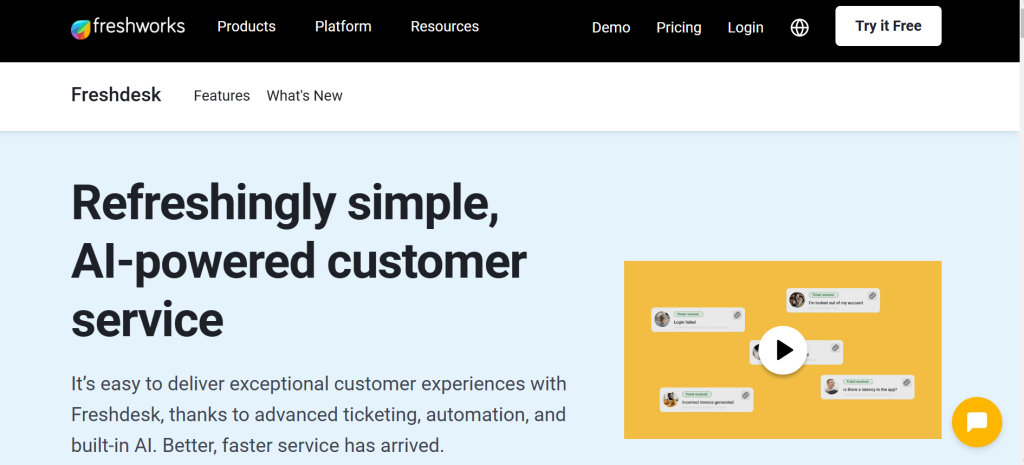
3. Freshdesk
Freshdesk is a user-friendly and intuitive cloud-based help desk solution. It excels in multi-channel support, automation, and self-service capabilities. With various pricing tiers, including a free plan, Freshdesk is particularly appealing for small to mid-sized businesses seeking an affordable yet powerful solution.
4. Intercom
Intercom is a versatile customer communication platform that combines support, engagement, and marketing functionalities. Its Fin AI Agent automates inquiries, while its shared inbox and business messenger facilitate real-time interactions. Intercom is ideal for businesses looking for an all-in-one platform to manage the entire customer lifecycle.

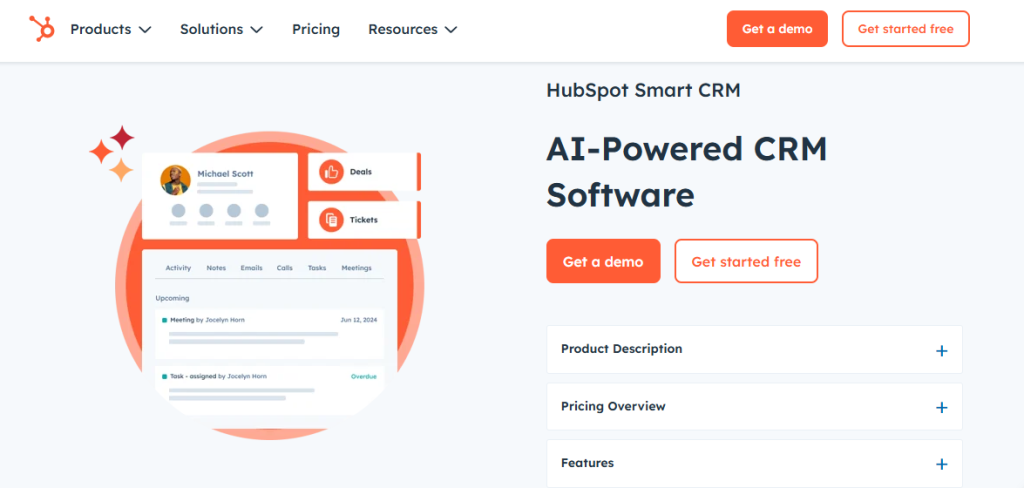
5. HubSpot Service Hub
HubSpot Service Hub offers a feature-rich platform deeply integrated with HubSpot’s CRM. It provides self-service tools, a powerful ticketing system, multi-channel support, and robust analytics. This solution is best for businesses already invested in the HubSpot ecosystem, offering a unified view of customer data.
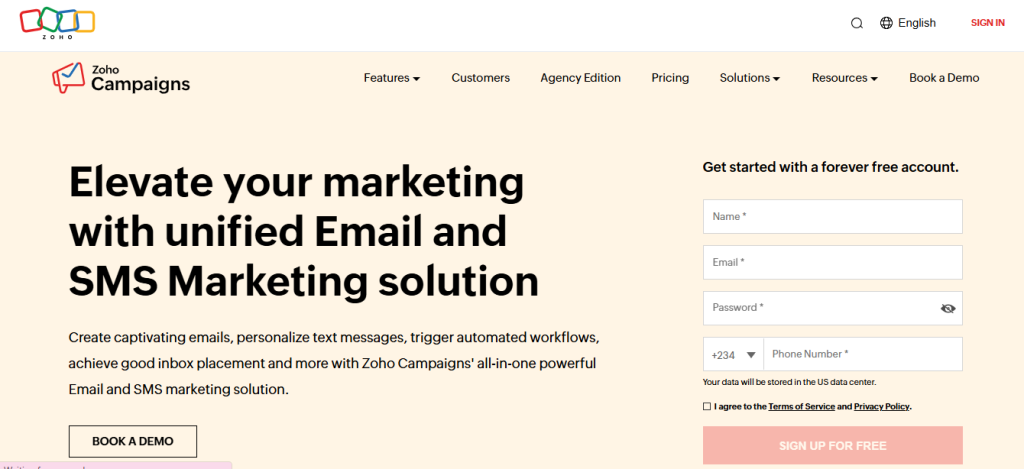
6. Zoho Desk
Zoho Desk is a highly customizable and affordable cloud-based ticketing system, part of the broader Zoho suite of business applications. It offers ticket management, automation, AI-powered assistance (Zia), and comprehensive reporting. Zoho Desk is a strong contender for small to large businesses seeking a feature-rich solution at competitive pricing.
7. LiveChat
LiveChat is an all-in-one help desk solution that integrates live chat, email, phone, and social media support into a single universal inbox. Its hybrid ticketing approach helps streamline customer communication and enhance agent productivity, making it suitable for businesses that prioritize real-time interactions.

8. HelpCrunch
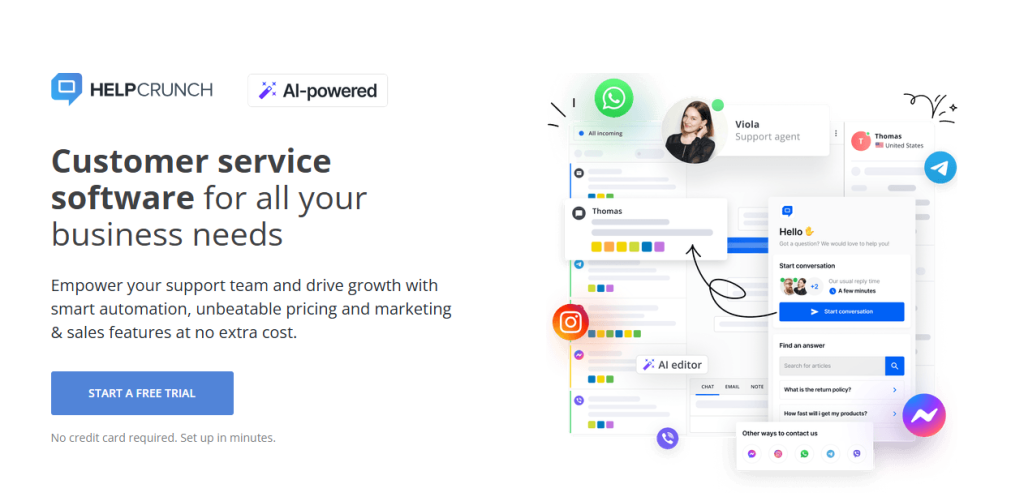
HelpCrunch focuses on personalized customer support through its shared inbox and Beacon widget. It emphasizes simplicity and human-centric interactions, offering strong collaboration tools, a knowledge base, and an AI summarizer for efficient email management. It’s ideal for teams that value building strong customer relationships.
9. Tidio
Tidio unifies live chat, email, and social media into a single inbox, featuring its Lyro AI chatbot which can automate a significant portion of customer inquiries. Its ease of use and affordability make it a popular choice for small businesses seeking quick implementation and effective automation.

10. Salesforce Service Cloud
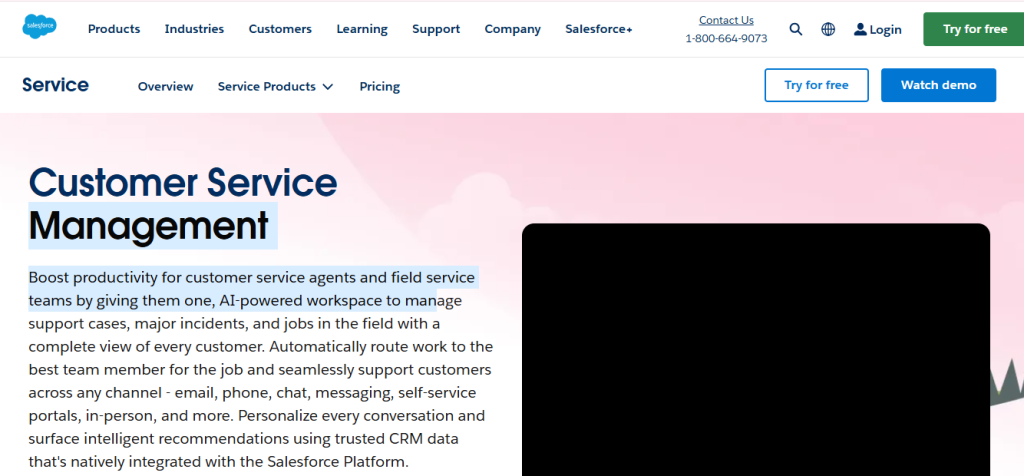
Salesforce Service Cloud is an enterprise-grade customer service platform built on the robust Salesforce ecosystem. It offers advanced features for managing customer interactions, automating workflows, and leveraging AI for intelligent service. It’s particularly well-suited for large organizations with complex service needs and existing Salesforce investments.
Conclusion
Cloud-based ticketing systems have fundamentally transformed the landscape of customer support and internal service management. Their inherent characteristics of accessibility, scalability, cost-efficiency, and automation provide businesses with the tools needed to meet the escalating demands of today’s digital consumers.
By centralizing communication, empowering self-service, and providing invaluable data insights, these systems not only streamline operations and reduce costs but also significantly enhance customer satisfaction and loyalty.
Choosing the right cloud-based ticketing system depends on an organization’s specific needs, size, and strategic goals, but the clear advantages they offer make them an indispensable asset for any business striving for operational excellence and superior customer experience.
Start with Salesgroup AI today!
