

10 Must-Have Chatbot Features for Your Business
A well-designed chatbot can improve customer engagement, reduce response times, and provide 24/7 support. However, not all chatbots are created equal. To truly benefit from chatbot technology, businesses must ensure that their chatbots have essential features that cater to customer needs and enhance user experience.
In this article, we’ll explore ten must-have chatbot features that every business should consider. By implementing these features, you can create a chatbot that not only meets but exceeds customer expectations. Let’s dive in.

Why Building Relationships Through Chatbots Matters
In a world where customers have countless options at their fingertips, businesses must go beyond transactional interactions to stand out. Building relationships with customers is no longer a luxury—it’s a necessity. Here’s why chatbots are uniquely positioned to help:
1. Trust and Loyalty:
Customers are more likely to return to a brand that makes them feel valued and understood. A chatbot that provides personalized, timely, and helpful interactions can strengthen this bond. For example, a chatbot that remembers a customer’s preferences or past interactions demonstrates attentiveness, which builds trust.
2. Emotional Connection:
Even though chatbots are automated, they can be designed to reflect your brand’s tone and personality, creating a more human-like connection with users. A chatbot that uses friendly, conversational language or even humor can make interactions feel less robotic and more engaging.
3. Customer Retention:
By consistently delivering positive experiences, chatbots can help retain customers and turn them into brand advocates. A satisfied customer is more likely to recommend your brand to others, driving word-of-mouth marketing.
4. Proactive Engagement:
Chatbots can initiate conversations based on user behavior, such as offering assistance when a customer seems stuck on a webpage or sending a personalized discount code to a loyal customer. This proactive approach shows customers that your brand is attentive and cares about their needs.
5. Scalability:
Unlike human agents, chatbots can handle thousands of interactions simultaneously, ensuring that every customer feels heard and valued, even during peak times.
How Chatbots Can Build Relationships
To truly leverage chatbots for relationship-building, businesses must focus on strategies that go beyond basic functionality. Here are seven key ways chatbots can foster meaningful connections with customers:
1. Consistent Communication
Consistency is key to building trust and loyalty. Chatbots can maintain regular communication with customers, ensuring that your brand stays top-of-mind. For example, chatbots can send follow-up messages after a purchase, check in to see if customers need assistance, or provide updates on orders. This consistent interaction shows customers that you care about their experience.
Actionable Strategy:
- Set up automated follow-up messages for post-purchase interactions.
- Use chatbots to send order updates and delivery notifications.
- Regularly check in with customers to ask if they need assistance.
2. Empathy and Tone
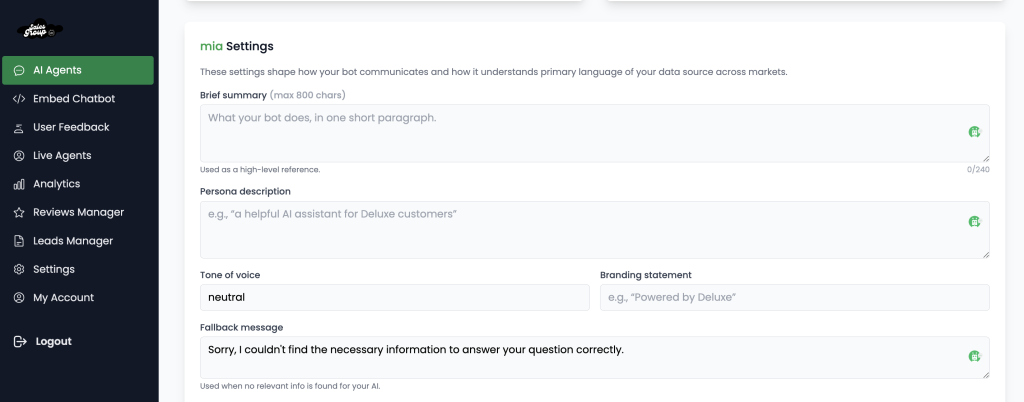
A chatbot’s tone of voice should align with your brand’s personality, whether it’s professional, friendly, or playful. Additionally, chatbots can be programmed to recognize emotional cues in customer messages and respond with empathy, such as apologizing for a poor experience or celebrating a customer’s success.
Actionable Strategy:
- Design your chatbot’s tone to reflect your brand’s personality.
- Use sentiment analysis to detect emotional cues and respond appropriately.
- Train your chatbot to apologize for mistakes and celebrate customer achievements.
3. Feedback Collection
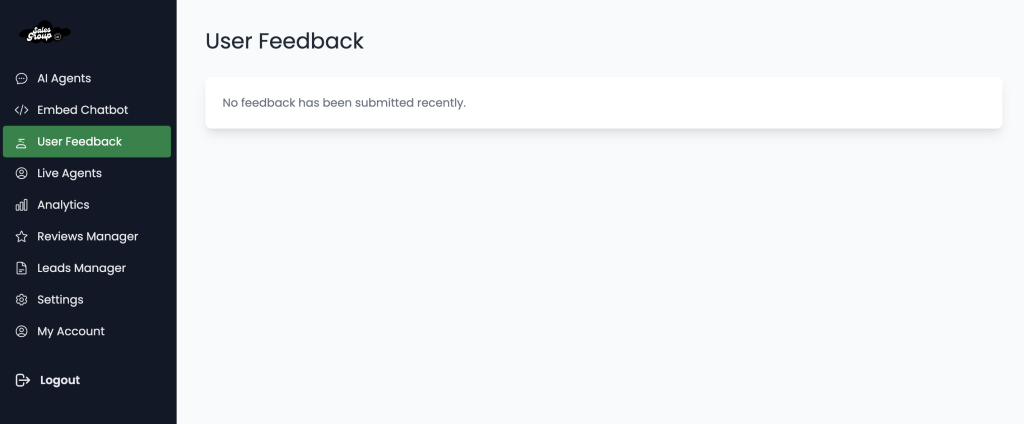
Feedback is essential for improving your products, services, and customer experience. Chatbots can proactively ask for feedback after interactions, purchases, or support sessions. This not only provides valuable insights for your business but also makes customers feel heard and valued.
Actionable Strategy:
- Use chatbots to send short, non-intrusive surveys after interactions.
- Offer incentives, such as discounts or rewards, for providing feedback.
- Analyze feedback data to identify areas for improvement.
4. Exclusive Offers and Rewards
Chatbots can be used to deliver personalized offers, discounts, or rewards to loyal customers. For example, a chatbot could notify a customer about a special promotion on their birthday or reward them for repeat purchases.
Actionable Strategy:
- Use chatbots to send personalized offers based on customer data.
- Reward loyal customers with exclusive discounts or perks.
- Celebrate customer milestones, such as birthdays or anniversaries, with special offers.
5. Educational Content
Beyond answering questions, chatbots can share useful content, such as tips, tutorials, or industry insights, to help customers get more value from your products or services. This positions your brand as a trusted resource.
Actionable Strategy:
- Use chatbots to share tips, tutorials, or how-to guides.
- Provide industry insights or updates relevant to your customers.
- Offer personalized recommendations based on customer preferences.
6. Proactive Problem Solving
Chatbots can identify potential issues before they escalate. For example, if a customer is browsing a product page for a long time without making a purchase, the chatbot can offer assistance or provide additional information to help them make a decision.
Actionable Strategy:
- Set up triggers for proactive messages based on user behavior.
- Use chatbots to offer assistance when customers seem stuck.
- Provide additional information or recommendations to guide decision-making.
7. Celebrating Milestones
Chatbots can recognize and celebrate customer milestones, such as anniversaries, birthdays, or significant achievements. This personal touch can make customers feel special and appreciated.
Actionable Strategy:
- Use customer data to identify milestones, such as birthdays or anniversaries.
- Send personalized messages to celebrate these milestones.
- Offer special rewards or discounts to mark the occasion.
10 Must-Have Chatbot Features for Your Business
1. Natural Language Understanding (NLU)
Natural Language Understanding (NLU) allows chatbots to interpret human language more effectively. With NLU, chatbots can analyze text inputs, detect intent, and provide more accurate responses. This feature enhances user interactions by making conversations feel more natural and less robotic.
Why It Matters:
- Improves chatbot comprehension and response accuracy.
- Enhances user experience by making conversations more fluid.
- Allows chatbots to handle a variety of customer inquiries.
How to Implement:
- Use NLU engines like Dialogflow, IBM Watson, or Microsoft Bot Framework.
- Continuously update and train the chatbot to improve its understanding of customer queries.
2. Omnichannel Support
A chatbot should be available on multiple platforms, including websites, social media, messaging apps, and email. Omnichannel support ensures that customers can reach the chatbot through their preferred communication channels, creating a seamless experience.
Why It Matters:
- Increases customer reach and engagement.
- Provides a unified experience across different platforms.
- Enhances brand presence and accessibility.
How to Implement:
- Integrate chatbot solutions with platforms like Facebook Messenger, WhatsApp, Slack, and live chat widgets on websites.
- Ensure consistency in responses across all channels.
3. Personalization
A chatbot should be able to personalize interactions based on customer data, previous interactions, and preferences. Personalization enhances customer engagement and builds stronger relationships with users.
Why It Matters:
- Creates a more tailored and relevant customer experience.
- Increases user retention and satisfaction.
- Enhances the effectiveness of recommendations and responses.
How to Implement:
- Use chatbots that can analyze user behavior and past interactions.
- Implement customer data integration to provide personalized responses.
4. Continuous Learning Capabilities
Chatbots with continuous learning capabilities improve their responses over time by analyzing interactions. These chatbots can predict customer needs and offer proactive support.
Why It Matters:
- Enhances chatbot accuracy and efficiency.
- Reduces dependency on human intervention.
- Helps businesses stay ahead of customer expectations.
How to Implement:
- Use platforms that support learning algorithms.
- Regularly analyze chatbot conversations and refine responses.
5. Seamless Handoff to Human Agents
While chatbots can handle many customer inquiries, there are times when human intervention is necessary. A chatbot should be able to detect when it needs to escalate an issue to a human agent and seamlessly transfer the conversation.
Why It Matters:
- Ensures complex issues are handled by human agents.
- Prevents customer frustration when chatbots fail to provide satisfactory answers.
- Improves overall customer service efficiency.
How to Implement:
- Set clear escalation triggers for when human intervention is needed.
- Use live chat integration to allow smooth transitions to support teams.
6. Analytics & Performance Tracking

Chatbots should have built-in analytics and reporting features to track performance metrics such as response time, customer satisfaction, and conversion rates.
Why It Matters:
- Helps businesses measure chatbot effectiveness.
- Provides insights into customer behavior and preferences.
- Allows continuous improvements to chatbot interactions.
How to Implement:
- Use chatbot analytics tools like Chatfuel, Botanalytics, and Google Analytics.
- Regularly review performance reports and make necessary improvements.
7. Multilingual Support
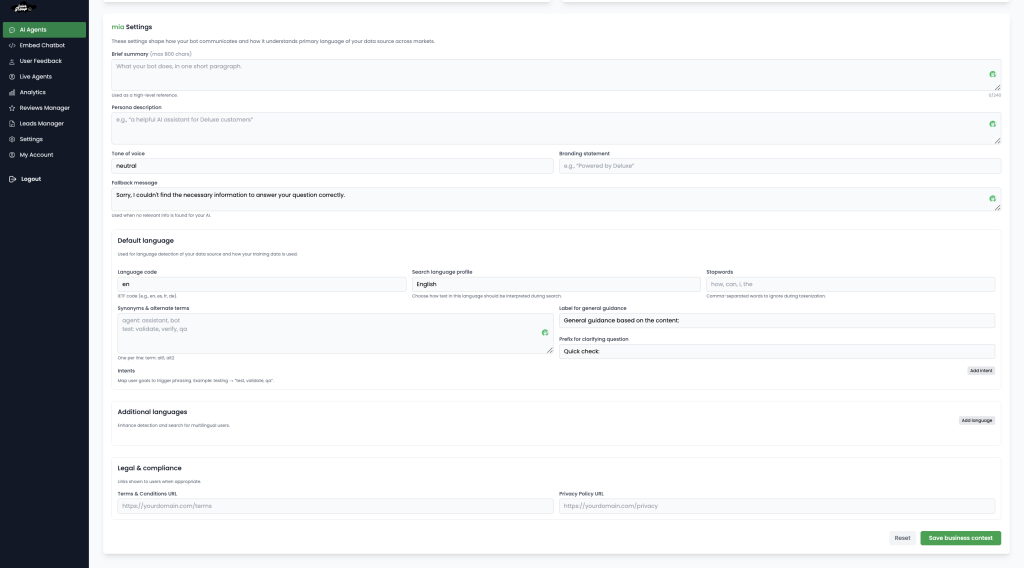
For businesses with a global audience, multilingual support is crucial. A chatbot should be able to communicate in multiple languages to cater to a diverse customer base.
Why It Matters:
- Expands market reach and accessibility.
- Improves customer experience for non-English speakers.
- Enhances brand credibility on an international scale.
How to Implement:
- Use translation tools like Google Translate API and Microsoft Translator.
- Train the chatbot to recognize and respond in different languages.
8. Interactive UI & Rich Media Support
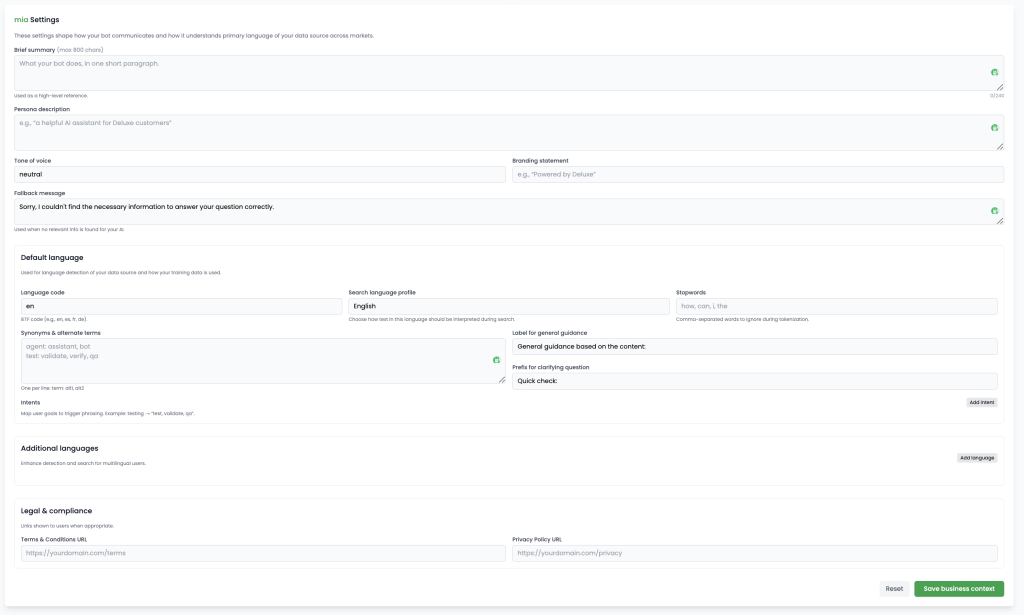
A chatbot should not be limited to text responses. It should support images, videos, buttons, and quick replies to enhance user interaction.
Why It Matters:
- Makes chatbot interactions more engaging and intuitive.
- Enhances product demonstrations and visual support.
- Provides users with easier navigation options.
How to Implement:
- Use chatbot platforms that support rich media features.
- Incorporate multimedia elements where necessary.
9. Lead Generation & Sales Integration
A chatbot should assist in lead generation by capturing user information and guiding potential customers through the sales funnel.
Why It Matters:
- Automates lead capture and qualification.
- Enhances customer engagement with proactive recommendations.
- Boosts conversions and revenue.
How to Implement:
- Integrate chatbots with CRM software like HubSpot or Salesforce.
- Use chatbot forms to collect customer data and preferences.
10. Security & Compliance
With increasing concerns about data privacy, a chatbot should comply with security regulations and ensure safe customer interactions.
Why It Matters:
- Protects customer data and builds trust.
- Ensures compliance with data protection laws (e.g., GDPR, CCPA).
- Prevents data breaches and cyber threats.
How to Implement:
- Use encryption protocols and secure authentication methods.
- Comply with industry regulations and regularly update security measures.

Conclusion
Implementing a chatbot with these must-have features can significantly enhance your business operations, customer service, and sales strategies. From advanced NLU to seamless human handoff and security compliance, these features ensure that your chatbot is efficient, engaging, and effective.
By investing in the right chatbot features, businesses can stay ahead of the competition, improve customer satisfaction, and drive long-term success. Whether you’re a startup or an established enterprise, incorporating these features into your chatbot strategy will unlock new opportunities for growth and efficiency.
