

Chatbot types: [Classification & Categories]
Explore the different chatbot types and their unique benefits. Compare various chatbot technologies to determine which one is the best fit for your specific need.
Chatbots are software applications designed to simulate human-like conversations, often using text or voice interactions. These intelligent tools leverage natural language processing (NLP) and machine learning (ML) to understand user inputs and provide relevant responses.
With the rise of digital-first businesses, chatbots have become essential for providing instant support, improving customer experience, and scaling operations. From e-commerce platforms to healthcare providers, chatbots are transforming the way organizations engage with their audiences.
Types of Chatbots Based on Functionality
Rule-Based Chatbots
Rule-based chatbots follow predefined scripts or rules. They are simple, efficient, and best suited for straightforward tasks such as:
- Answering frequently asked questions (FAQs)
- Providing store hours or product availability
- Scheduling appointments
AI-Powered Chatbots
AI-powered chatbots use advanced technologies like NLP and ML to understand complex queries, learn from past interactions, and provide personalized responses. Use cases include:
- Offering tailored product recommendations
- Handling multi-turn conversations for troubleshooting
- Supporting customer feedback analysis
Hybrid Chatbots
Hybrid chatbots combine the best of both worlds: the efficiency of rule-based systems and the adaptability of AI-powered chatbots. These bots are ideal for businesses looking for a scalable solution that balances simplicity and complexity.
Related: Jaci – AI Chatbot
4. Types of Chatbots by Use Case
Customer Support Chatbots

These bots specialize in resolving customer issues quickly and efficiently. They can manage queries ranging from order tracking to technical troubleshooting.
Sales Chatbots
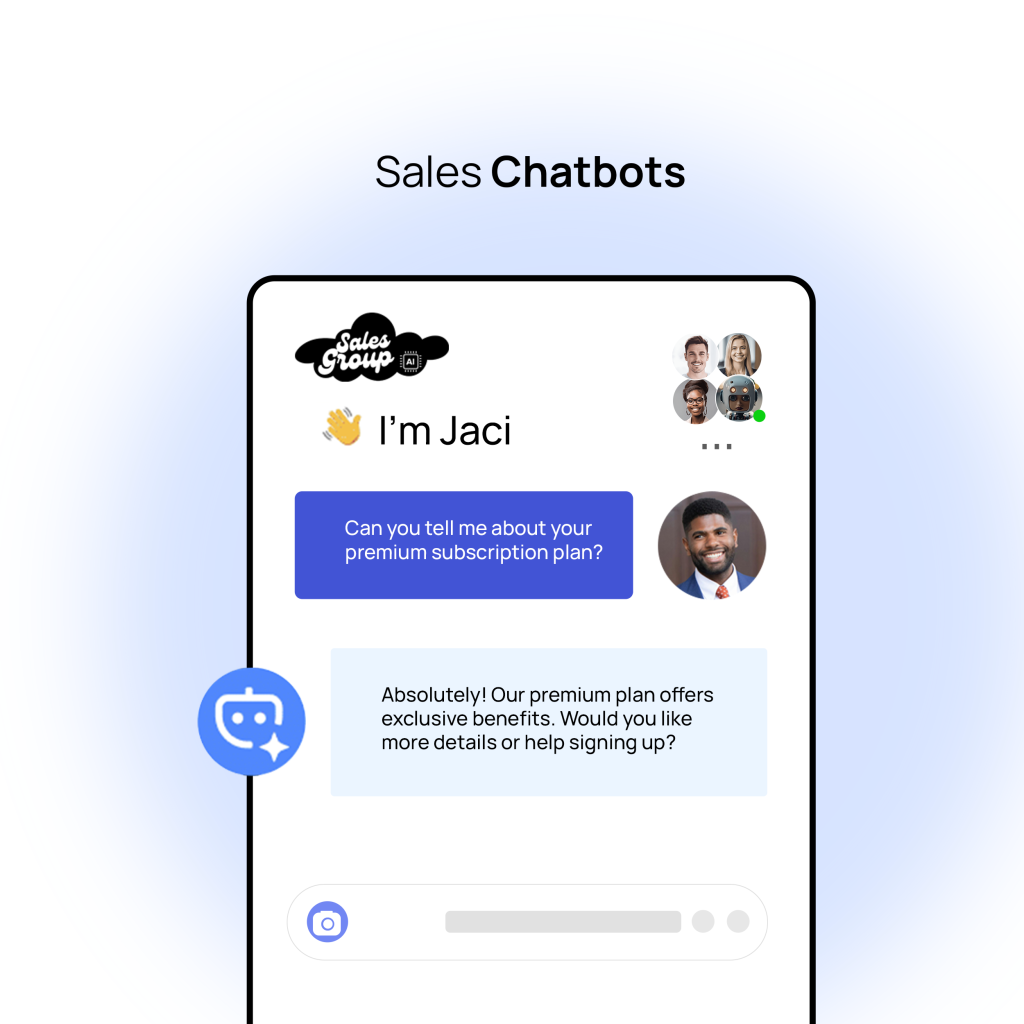
Sales chatbots help businesses drive revenue by engaging prospects and offering personalized product suggestions.
Marketing Chatbots

Marketing bots promote brand awareness, gather customer insights, and run interactive campaigns.
Virtual Assistants

Virtual assistant chatbots, like Siri and Alexa, perform tasks such as setting reminders, providing weather updates, and controlling smart devices
5. Types of Chatbots by Communication Channel
Website Chatbots

Website chatbots are integrated directly into a company’s site, providing on-the-spot assistance for visitors. They are ideal for answering FAQs, collecting leads, and guiding users through products or services.
Social Media Chatbots
Social media platforms like Facebook Messenger and Instagram support chatbots for engaging with followers, addressing queries, and running promotions.
Messaging App Chatbots

Messaging platforms like WhatsApp and Telegram are increasingly being used for chatbot interactions. These bots handle customer support, marketing, and transactional tasks efficiently.
Voice Assistants

Voice-based chatbots, like Google Assistant and Amazon Alexa, enable hands-free interactions and are often used in smart homes and IoT devices.
6. Types of Chatbots by Industry
E-Commerce Chatbots

E-commerce chatbots simplify shopping by assisting with product searches, handling returns, and offering personalized recommendations.
Healthcare Chatbots
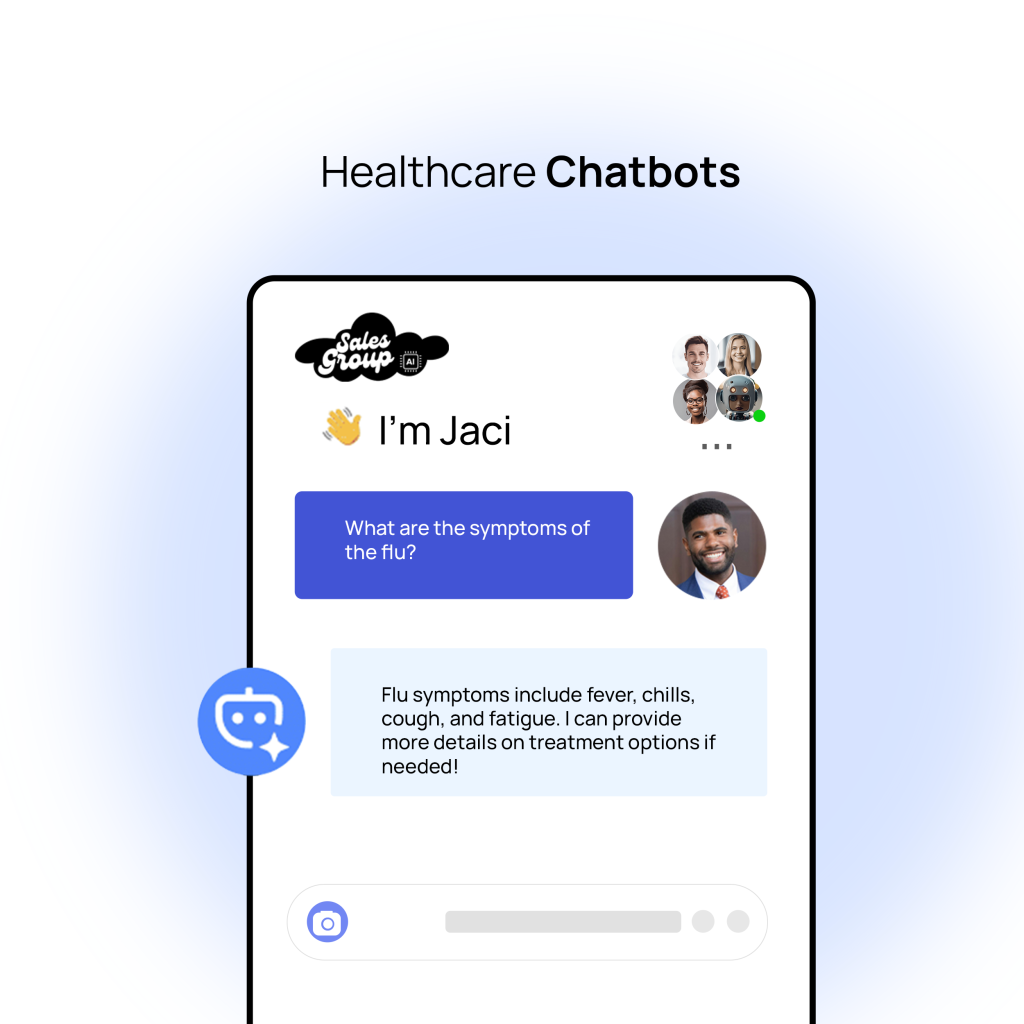
These bots streamline patient care by offering symptom checks, appointment bookings, and medication reminders.
Banking and Finance Chatbots
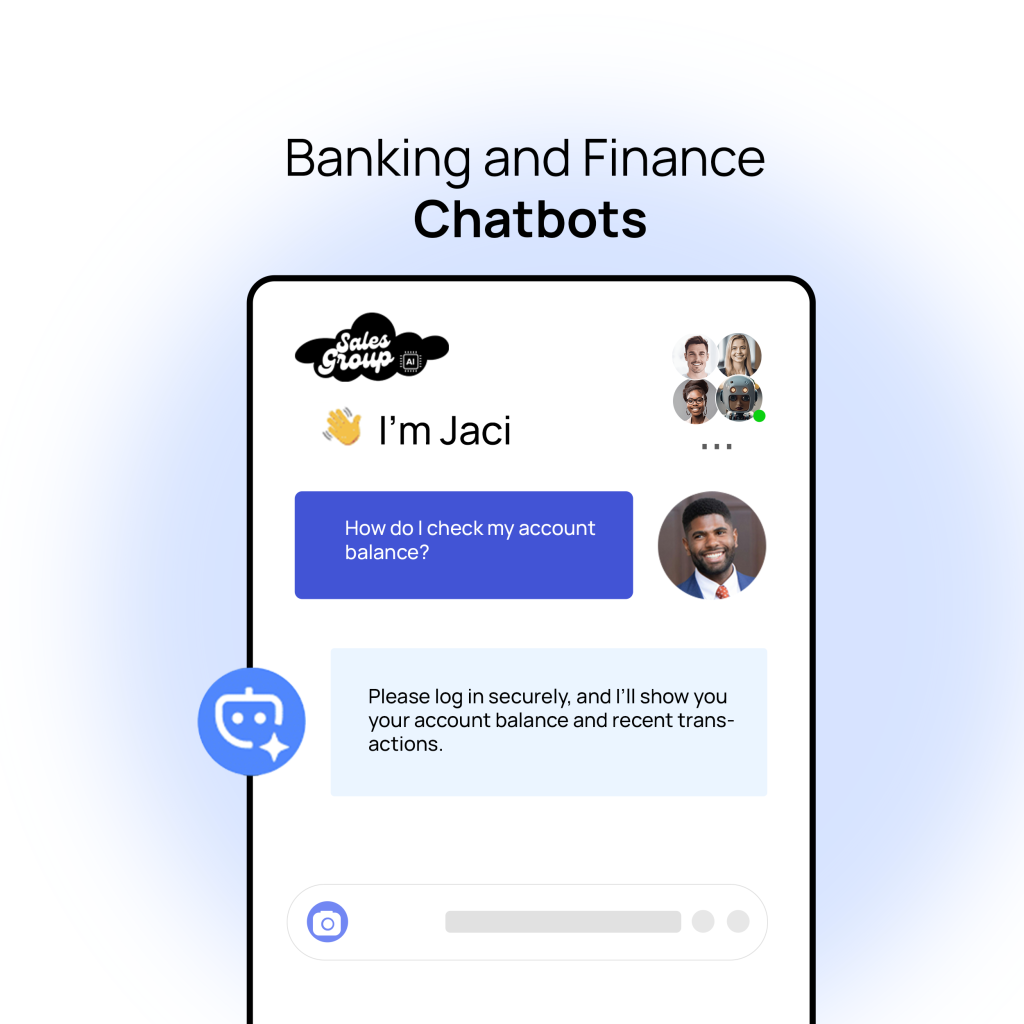
Chatbots in banking provide services such as account balance inquiries, transaction alerts, and fraud detection.
Comparing Types of Chatbots
Rule-Based vs. AI-Powered Chatbots
Rule-based chatbots are perfect for simple, repetitive tasks but lack adaptability. AI-powered chatbots, on the other hand, are highly versatile and can handle complex conversations, making them ideal for dynamic environments.
Text-Based vs. Voice-Based Chatbots
Text-based chatbots are suited for written communication on websites and apps, while voice-based chatbots are better for hands-free and conversational interactions, such as controlling smart devices.
Benefits of Choosing the Right Type of Chatbot
Investing in the right type of chatbot can significantly impact your business. Key benefits include:
- Improved Customer Experience: Chatbots provide quick, accurate, and consistent responses, enhancing customer satisfaction.
- Cost Efficiency: Automating routine tasks reduces operational costs and allows human agents to focus on complex issues.
- Enhanced Engagement: By offering personalized interactions, chatbots increase customer retention and loyalty.
How to Choose the Right Chatbot for Your Business
Choosing the right chatbot depends on your business goals and audience needs.Identifying Your Business NeedsDetermine the primary purpose of your chatbot. whether it’s customer support, sales, or internal use.Matching Features to Use CasesChoose a chatbot with features that align with your use case. For instance, an AI-powered bot is ideal for personalized customer interactions, while a rule-based bot works well for FAQs.
Future Trends in Chatbot Types
Emerging Chatbot Technologies: As technology advances, chatbots are becoming more intuitive and capable. Innovations like sentiment analysis, emotion detection, and multimodal interactions are shaping the future of chatbots.
The Role of Multimodal Chatbots: Multimodal chatbots combine text, voice, and even visual elements to create seamless and immersive user experiences. They represent the next frontier in chatbot technology.
Conclusion
Chatbots are no longer optional,they are essential tools for businesses looking to enhance customer experience, boost efficiency, and stay competitive. By understanding the various types of chatbots and their use cases, businesses can implement the right solution tailored to their unique needs.
As chatbot technology continues to evolve, the possibilities are endless. Whether you’re a small business or a global enterprise, there’s a chatbot solution waiting to transform your operations.You said:
