

Web Self Service: What it is [Types, Examples & Software]
Think about the last time you walked into a supermarket, grabbed a basket, and selected all the groceries you needed without needing assistance from a store attendant. You browsed the aisles at your own pace, picked exactly what you wanted, and proceeded to checkout seamlessly. Web self-service works the same way, but in a more advanced and digital environment.
It empowers users to find information, complete transactions, and verify purchases independently ensuring accuracy, efficiency, and convenience for both businesses and customers.
What is Web Self-Service?
Web self-service is a digital system that allows users to independently access information, perform transactions, and resolve issues without direct human assistance.
It enables customers to find answers, manage accounts, and complete purchases efficiently, reducing the need for customer support interactions. Businesses implement web self-service to enhance user experience, improve efficiency, and reduce operational costs.
Types of Web Self-Service (With Examples)
Implementing web self-service solutions offers numerous advantages for both businesses and customers. Here are five core benefits, supported by statistics:
1. Knowledge Bases and FAQs
A knowledge base is a collection of articles, guides, and frequently asked questions (FAQs) that help users find solutions to common problems. For instance, Microsoft Support and Apple Support provide extensive knowledge bases where users can troubleshoot issues, access manuals, and find answers to software-related queries without contacting customer support.
2. Chatbots and Virtual Assistants
AI-powered chatbots and virtual assistants provide real-time responses to customer queries. Facebook Messenger’s chatbot helps users with account recovery and security settings, while Amazon’s Alexa acts as a virtual assistant, answering questions and assisting with smart home functions.
3. Automated Account Management
Web self-service platforms allow users to manage their accounts, update personal details, reset passwords, and track orders without customer support. PayPal enables users to manage transactions, set security preferences, and resolve disputes automatically, while Netflix allows users to change subscription plans, update payment details, and manage profiles with ease.
4. Community Forums and User-Generated Support
Online community forums allow customers to seek advice, share experiences, and troubleshoot issues with the help of other users. Google Support Forums provide a space where users ask technical questions and receive answers from other customers or Google experts, while Reddit serves as a broader discussion platform where users exchange troubleshooting tips on everything from tech issues to financial services.
5. Interactive Tutorials and How-To Videos
Many businesses provide guided tutorials or video walkthroughs to help users understand how to use a product or service. YouTube’s Creator Academy offers tutorials for content creators, while Canva’s Design School provides video guides on using its design tools effectively.
6. Automated Troubleshooting and Diagnostic Tools
Some platforms offer automated diagnostic tools that help users identify and fix issues on their own. HP Support Assistant helps users detect hardware and software issues on their devices, while Xfinity’s online troubleshooting tool allows customers to diagnose and reset their internet connections without speaking to a technician.
7. Self-Service Checkout and Payment Systems
E-commerce and digital platforms offer self-service checkout options, allowing users to complete transactions without needing assistance. Amazon Go stores use “Just Walk Out” technology, where customers grab items and leave while the system automatically charges their Amazon account.
Uber’s automated payment system ensures that users don’t have to interact with a cashier, the fare is deducted once the ride is completed.
Benefits of Implementing Web Self Service for Businesses
Implementing web self-service solutions offers numerous advantages for both businesses and customers. Here are five core benefits, supported by statistics:
1. Cost Reduction
Digital self-service can significantly decrease support costs. Research indicates that companies providing customer self-service can save as much as $3 million annually.
2. Enhanced Customer Preference and Satisfaction
A substantial number of customers prefer self-service options. Studies show that 67% of customers prefer self-service over speaking to a company representative.
3. Increased Efficiency and Reduced Support Load
Implementing self-service tools can lead to a significant reduction in support inquiries. Organizations have reported up to a 70% decrease in calls, chat, and email inquiries after introducing Virtual Customer Assistants.
4. Improved Customer Retention and Sales
Providing accessible self-service resources can positively impact sales and customer retention. Research indicates that 53% of customers are likely to abandon an online purchase if they can’t find a quick answer to their question.
5. 24/7 Availability
Self-service platforms offer round-the-clock support, catering to customers’ needs at any time. A significant 90% of customers prioritize having an “immediate” response when it comes to a customer service question, and self-service solutions can fulfill this expectation.
10 Best web self-service software
Choosing the right web self-service software is essential for improving customer support, reducing operational costs, and enhancing user experience. Below is an in-depth look at ten top self-service platforms, highlighting their capabilities, key features, and advantages and disadvantages.
1. Salesgroup
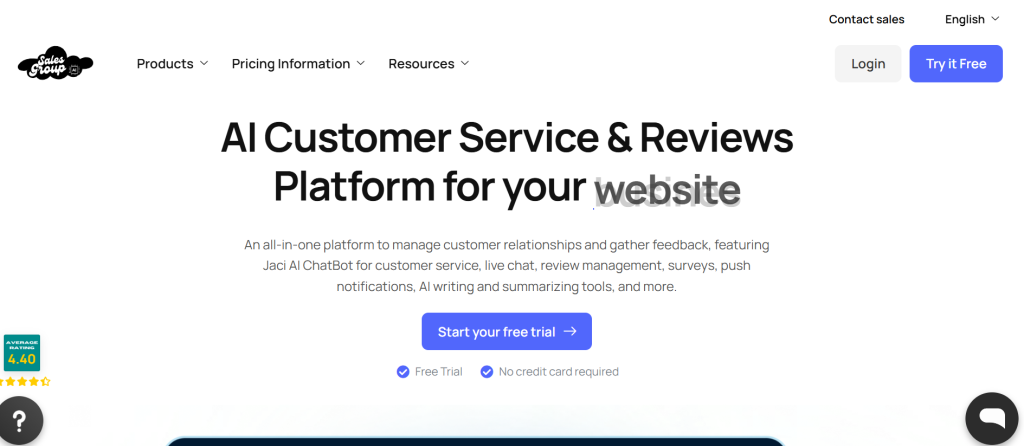
Salesgroup is a cutting-edge web self-service platform designed to empower businesses with AI-driven automation, an intuitive knowledge base, and seamless customer interactions. Whether you’re a startup or an enterprise, Salesgroup provides the perfect blend of self-service efficiency and personalized support to enhance customer satisfaction.
Why Salesgroup is the Best:
- AI-powered chatbots that handle inquiries instantly
- A dynamic knowledge base with smart search functionality
- Multi-channel support, including email, live chat, and social media
- Automated ticketing system to resolve issues faster
- Deep analytics and reporting to track customer interactions
Pros:
✅ User-friendly interface with no steep learning curve
✅ Advanced AI automation that reduces dependency on human agents
✅ Cost-effective pricing tailored for businesses of all sizes
✅ Seamless integration with CRMs and e-commerce platforms
✅ 24/7 customer support with high reliability
Salesgroup is ideal for e-commerce businesses, SaaS platforms, and customer-centric companies looking to streamline their customer service operations and provide an effortless self-service experience.
2. Zendesk
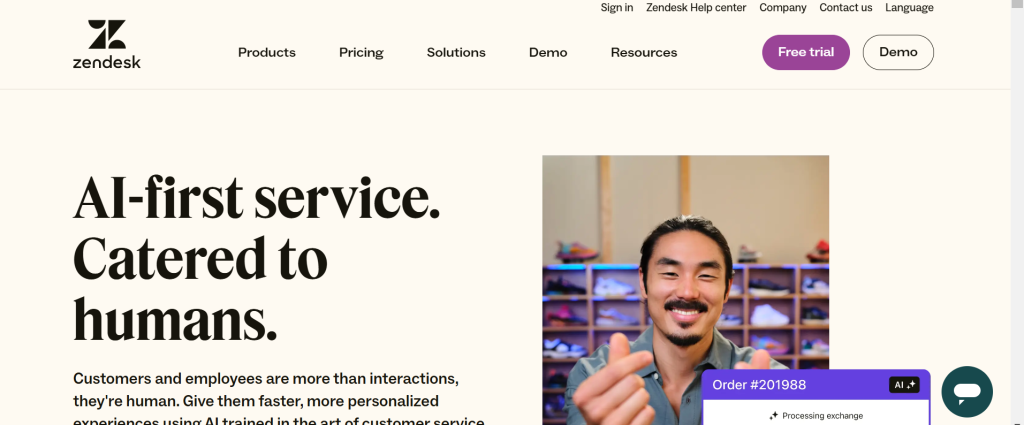
Zendesk is a widely used customer service platform that offers a seamless self-service experience through AI-driven automation and a well-structured knowledge base. Businesses use Zendesk to empower customers with the tools they need to resolve inquiries without agent intervention.
Key Features:
- AI-powered chatbots and automation
- Omnichannel support (email, chat, social media, and phone)
- Robust knowledge base with search optimization
- Detailed analytics and reporting tools
Pros:
- Over 1,000 third-party integrations for extended functionality
- Strong automation capabilities to reduce support workload
- Scalable for small businesses and large enterprises
Cons:
- Higher pricing compared to alternatives
- Can be complex to set up for beginners
3. Freshdesk
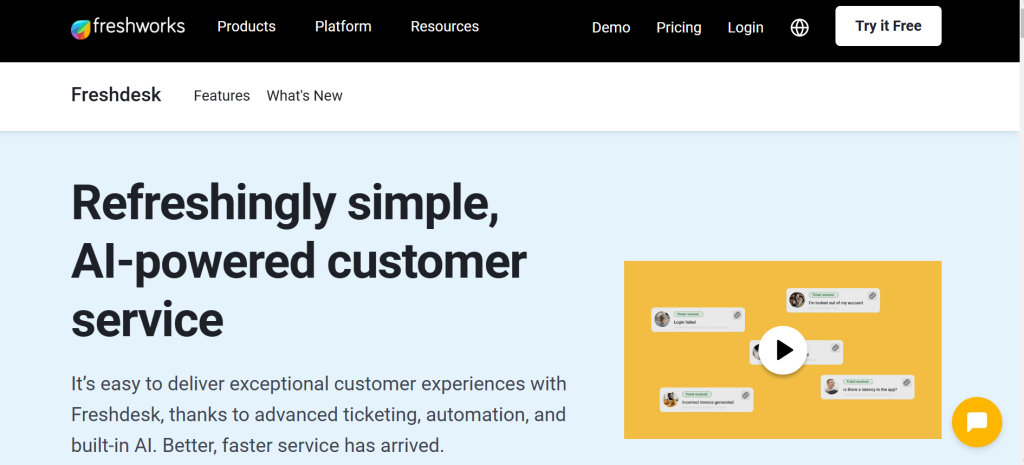
Freshdesk simplifies digital self-service by providing businesses with an AI-driven chatbot, a well-organized FAQ section, and a ticketing system that improves response efficiency.
Key Features:
- AI-powered Freddy chatbot for automated responses
- Multi-channel ticketing and automation
- Self-help portal with a user-friendly interface
- Community forums for peer-to-peer support
Pros:
- Cost-effective pricing plans
- Easy-to-use interface suitable for non-technical users
- Strong automation features to streamline customer interactions
Cons:
- Limited customization options in lower-tier plans
- Advanced analytics only available in higher-tier subscriptions
4. Tidio
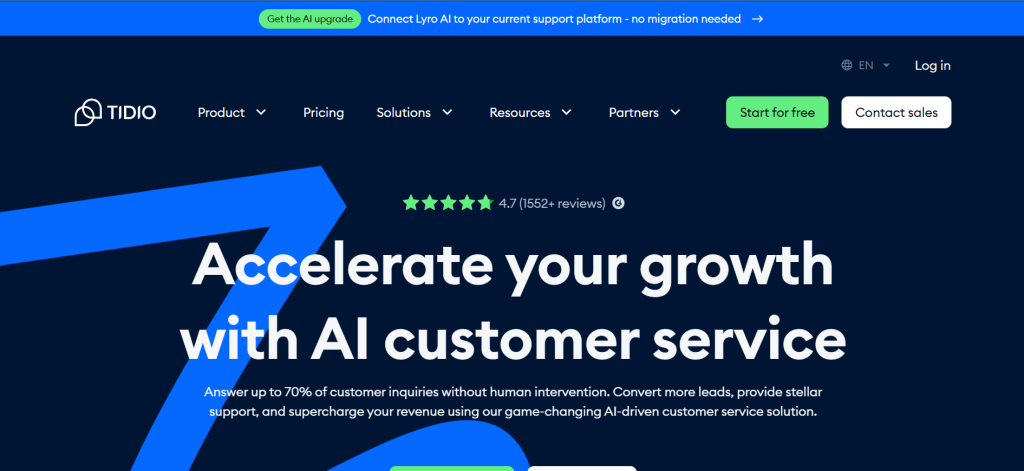
Tidio enhances self-service options by integrating AI chatbots and live chat features, allowing businesses to provide instant support. It is particularly useful for e-commerce businesses looking to automate customer interactions.
Key Features:
- AI chatbots with predefined conversation flows
- Live chat widget with real-time customer interaction
- Email marketing and automated follow-ups
- Integrations with Shopify, WordPress, and WooCommerce
Pros:
- Quick and easy setup
- Affordable pricing plans for small businesses
- Customizable chatbot responses for personalized customer support
Cons:
- Lacks advanced analytics compared to enterprise solutions
- Free plan has limited chatbot interactions
5. Intercom
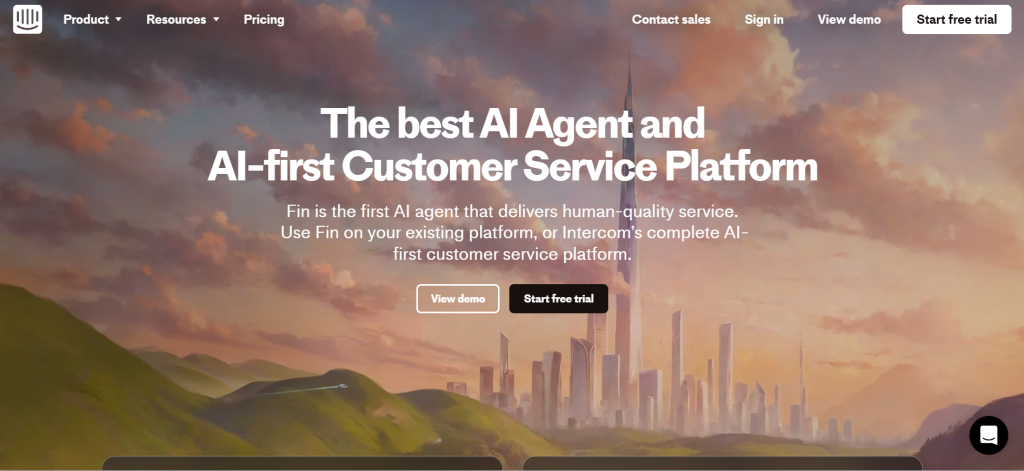
Intercom is an AI-powered customer communication platform that helps businesses automate conversations and provide 24/7 support through its knowledge base and chatbots.
Key Features:
- Conversational AI bots for personalized support
- Automated messaging and self-help portals
- Integration with CRM and third-party apps
- Custom workflows for guided assistance
Pros:
- Excellent for proactive customer engagement
- AI-driven chatbots improve response times
- Supports multi-language customer interactions
Cons:
- Expensive for small businesses
- Steep learning curve for first-time users
6. HelpCrunch

HelpCrunch combines self-service tools with an intuitive knowledge base and an automated help desk, making it easy for businesses to offer 24/7 customer support.
Key Features:
- AI-powered chatbots and automated ticketing
- Email, chat, and in-app messaging support
- Multi-brand knowledge base for diverse audiences
- Customizable widgets for seamless integration
Pros:
- Affordable pricing for small businesses
- Easy-to-navigate user interface
- Strong knowledge base search functionality
Cons:
- Limited third-party integrations
- AI features not as advanced as competitors
7. LiveAgent
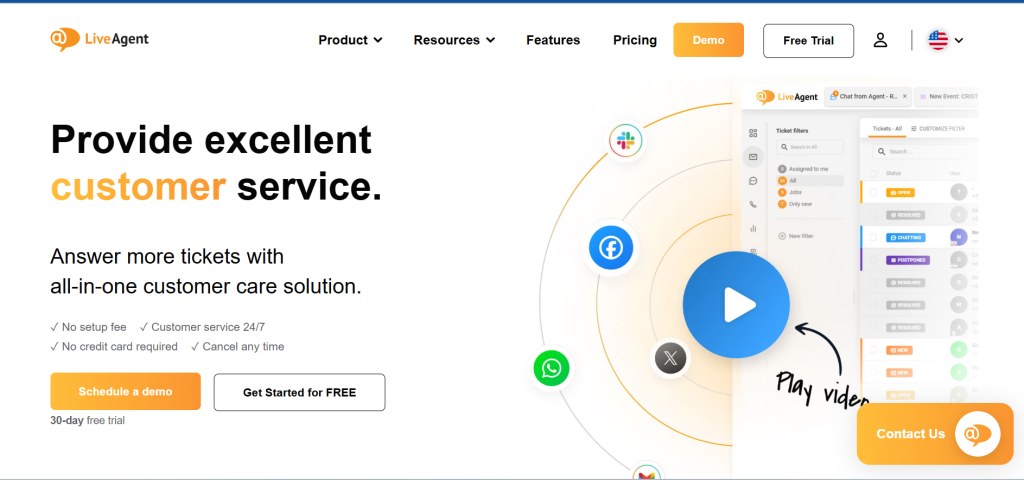
LiveAgent provides businesses with an all-in-one solution for customer support, offering self-help features like community forums and a searchable knowledge base.
Key Features:
- Multi-channel support (email, social media, live chat, and calls)
- Smart automation for ticket management
- Community forums for peer-to-peer help
- Detailed reporting and analytics
Pros:
- Cost-effective pricing
- Comprehensive support for various communication channels
- Scalable for businesses of all sizes
Cons:
- Outdated user interface
- Some advanced features require additional payment
8. Zoho Desk
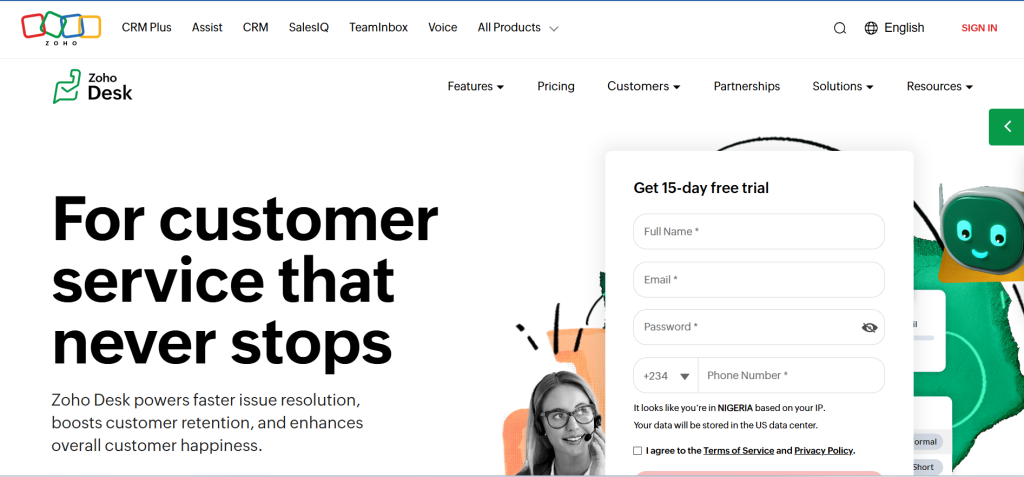
Zoho Desk is a feature-rich self-service platform designed to help businesses automate customer interactions and offer intuitive self-help portals.
Key Features:
- AI-driven Zia chatbot for instant responses
- Customizable self-service knowledge base
- Multi-channel customer support
- Advanced reporting and ticket management
Pros:
- Affordable pricing
- Deep integration with Zoho ecosystem
- Strong AI-powered search for knowledge base articles
Cons:
- Limited customization options
- Not as user-friendly as competitors
9. Salesorder
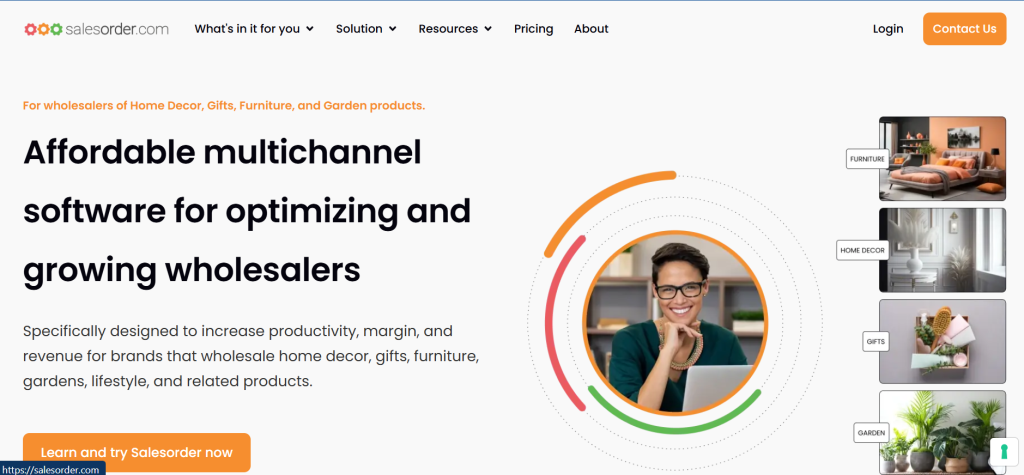
Salesorder is a self-service solution tailored for manufacturers and distributors, helping businesses automate order management and customer interactions.
Key Features:
- Automated self-service portal for customers
- AI-driven inventory and order tracking
- Integrated payment processing
- Multi-level approval workflows
Pros:
- Ideal for large-scale businesses and manufacturers
- Streamlines complex order fulfillment processes
- Reduces dependency on human agents
Cons:
- Not suitable for small businesses
- Requires training for new users
Web Self-Service: Key Takeaway
Web self-service has become an essential tool for businesses aiming to improve customer satisfaction while reducing support costs. Customers now expect instant solutions, and self-service options help businesses meet these demands efficiently.
To recap, the most effective web self-service solutions include AI chatbots, help desk ticketing systems, knowledge bases, customer portals, and automated surveys. No matter the option, implementing self-service leads to faster resolutions, reduced costs, and better overall customer experiences.
Here are some of the best web self-service tools available today:
- Salesgroup
- Zendesk
- Freshdesk
- HubSpot
- Intercom
- Tidio
- LiveAgent
- Userpilot
Ready to integrate web self-service into your business? Contact our sales team today
