
Top 10 Live Agent alternatives: Pros & Cons
What are the top 10 live agent alternatives? As consumer expectations for speed, personalization, and seamless communication grow, so too does the need for sophisticated platforms that can meet these demands. While platforms like LiveAgent have long been a staple in the industry, offering a wide array of tools in a single suite, the emergence of specialized and AI-driven solutions has created a rich market of alternatives.
This guide will take a deep dive into the top competitors, exploring their unique strengths and weaknesses to help businesses navigate this complex market. From AI-first platforms designed for next-generation automation to highly specialized tools for sales and marketing, we will analyze why the modern business is looking beyond traditional solutions and what the future of customer communication holds. Let’s dive in.
The Need for Alternatives
LiveAgent is a well-regarded, all-in-one customer service platform known for its comprehensive suite of tools, including live chat, a robust help desk, and an integrated call center. For years, it has been a go-to solution for businesses seeking a single platform to manage a wide range of customer interactions. However, as the customer service landscape continues to evolve, businesses are finding a growing need to explore alternatives. This shift is driven by several key factors.
Firstly, specialization is becoming increasingly important. While an all-in-one platform is convenient, some businesses may find that they need a solution that excels in a specific area, such as conversational marketing, advanced AI-powered automation, or deep integrations with a particular CRM. The “jack-of-all-trades” approach of a platform like LiveAgent might not provide the specialized features required for a niche business model.
Secondly, the rise of AI and machine learning has created a new class of customer service tools that are fundamentally different. These solutions are not just about managing human-to-human interactions more efficiently; they are about automating entire workflows and providing proactive, intelligent support. Businesses are now looking for platforms that can handle routine inquiries with sophisticated chatbots, analyze customer sentiment, and predict customer needs, a level of automation that goes beyond traditional ticketing and live chat.
Finally, pricing and scalability can be a significant motivator. As businesses grow, their customer service needs change. Some may find LiveAgent’s pricing structure to be too rigid, while others may be looking for a more flexible model that aligns with their specific usage patterns.
The desire for a platform that can scale with a business, both in terms of features and cost, has led many to consider other options. This guide will explore ten of the top alternatives, analyzing their pros and cons to help businesses find the perfect fit for their unique requirements.
Top 10 LiveAgent Alternatives
1. SalesGroup AI
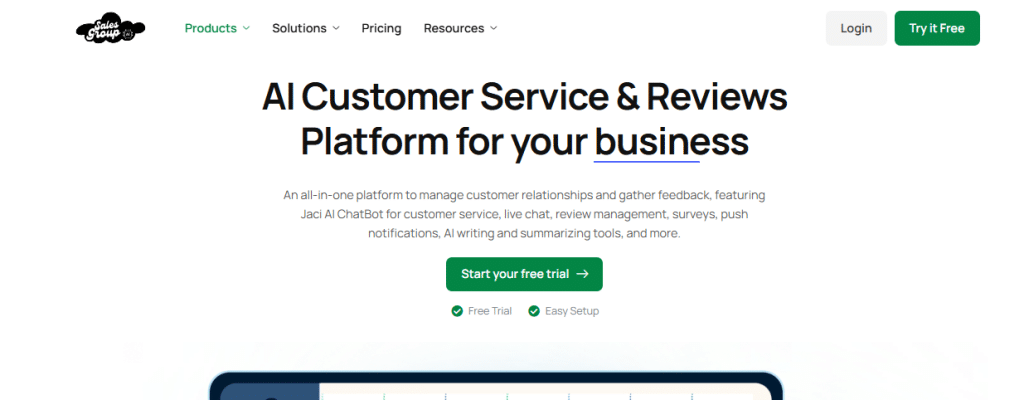
SalesGroup AI is a modern, AI-first platform designed to go beyond traditional customer service. It positions itself as a comprehensive solution for customer engagement, leveraging artificial intelligence to automate and streamline a wide range of tasks. Its core offering is Jaci AI, an intelligent chatbot capable of providing instant, human-like responses, effectively handling a large volume of inquiries without the need for a human agent.
Pros:
- Comprehensive AI-First Approach: The platform is built around AI, offering deep automation capabilities that are a step above many competitors.
- All-in-One Suite: Includes a wide range of tools for customer service, including a chatbot, smart ticketing, real-time analytics, and even content creation tools like Wordwriter AI.
- Seamless Integration: Designed to integrate smoothly with existing business systems and workflows.
- Scalability: The platform is built to scale with business growth, handling an increasing number of interactions without a loss in performance.
Cons:
- Newer to the Market: While feature-rich, it may not have the same long-standing reputation as more established competitors like Zendesk or LiveChat.
- AI Dependency: Businesses that prefer a more human-centric model might find its reliance on AI to be a slight learning curve.
2. Tidio
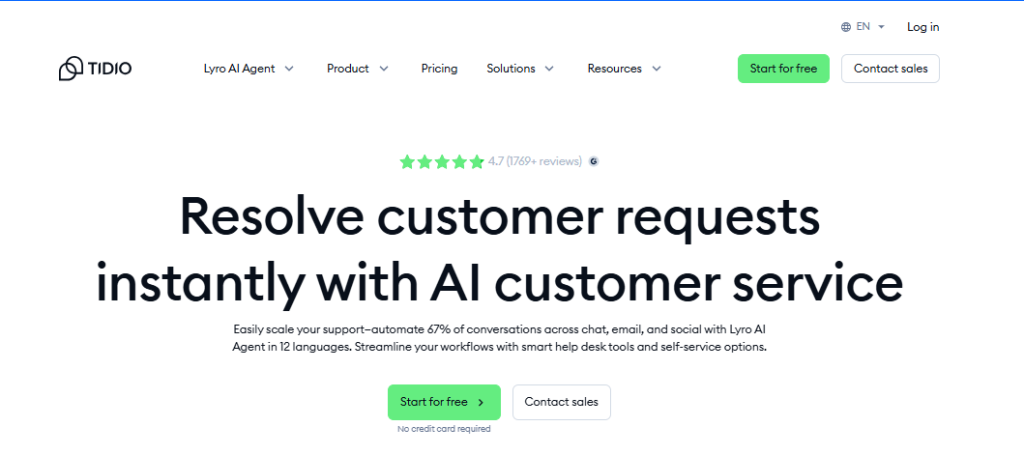
Tidio is a popular alternative known for its simple and intuitive user interface. It combines live chat with an AI chatbot and a help desk, making it a powerful tool for small and medium-sized businesses. Its strength lies in its ease of use and ability to get a live chat widget up and running on a website in minutes.
Pros:
- Ease of Use: A simple, clean interface that is easy to set up and manage, even for non-technical users.
- Hybrid Model: Successfully combines live chat with chatbots, allowing businesses to automate and still offer human support when needed.
- Affordable Pricing: Offers a free plan and affordable paid tiers, making it accessible to a wide range of businesses.
- E-commerce Integration: Strong integrations with platforms like Shopify and WordPress.
Cons:
- Limited Customization: Chatbot customization options are not as extensive as those offered by more specialized platforms.
- Basic Reporting: The analytics and reporting features are more basic compared to enterprise-level solutions.
3. LiveChat
LiveChat is a well-known and highly respected name in the live chat space. It’s a comprehensive tool that offers live chat, a help desk, and an AI chatbot. Its focus on live chat excellence and detailed reporting has made it a favorite for many businesses.
Pros:
- Robust Live Chat: Offers a highly customizable and reliable live chat experience with powerful features like chat invitations and customer previews.
- Strong Reporting: Provides in-depth analytics on agent performance, chat volume, and customer satisfaction.
- Extensive Integrations: Integrates with over 200 platforms, including popular CRM and e-commerce systems.
- Built-in ChatBot: Its integrated AI chatbot, ChatBot, automates routine inquiries and streamlines the support process.
Cons:
- Higher Cost: Pricing can be a bit more expensive than some of the more affordable alternatives.
- Chat-Centric: While it offers other features, its primary focus remains on live chat, which might not be ideal for businesses seeking a more balanced, multi-channel approach.

4. Drift
Drift is not just a live chat platform; it’s a conversational marketing and sales platform. Its primary goal is to help businesses engage with customers in real-time to generate leads and accelerate the sales cycle. Its chatbots are highly sophisticated and are designed to qualify leads, book meetings, and personalize conversations.
Pros:
- Focus on Sales and Marketing: Tailored specifically for businesses that want to use live chat and bots for lead generation and conversion.
- Advanced Chatbots: Offers highly intelligent and customizable chatbots that can handle complex sales workflows.
- CRM Integration: Provides seamless integration with CRM systems like Salesforce and HubSpot, allowing for a unified view of the customer.
- Proactive Engagement: Enables businesses to engage with website visitors based on their behavior, turning passive browsing into active conversations.
Cons:
- Steeper Learning Curve: The platform’s advanced features can be complex to set up and manage, requiring a higher level of technical expertise.
- Limited Customer Support Focus: It is less focused on traditional post-purchase customer service and more on the sales and marketing side of the business.

5. Zendesk
Zendesk is an industry giant and a top competitor to LiveAgent. It provides a comprehensive suite of products that cover everything from a help desk and ticketing system to a knowledge base and live chat. Its strength lies in its scalability and ability to support large, complex organizations.
Pros:
- Comprehensive Suite: Offers a complete solution for all customer service needs, including a ticketing system, live chat, and a knowledge base.
- Scalability: Designed to support businesses of all sizes, from small startups to large enterprises.
- Powerful Features: Includes advanced features like AI-powered ticket routing, self-service portals, and detailed analytics.
- Trusted Brand: A well-established and trusted name in the customer service software industry.
Cons:
- Can Be Expensive: The comprehensive nature of the platform comes at a price, and its plans can become costly for larger teams.
- Complexity: The sheer number of features can be overwhelming for smaller teams or those looking for a simpler solution.

6. Intercom
Intercom is a popular alternative that focuses on building strong customer relationships through engaging and proactive communication. It’s known for its robust chatbot platform and its ability to engage customers throughout their lifecycle, from onboarding to support.
Pros:
- Customer Engagement Focus: Excellent for onboarding new users, sending targeted messages, and providing in-app support.
- Powerful Chatbots: Its chatbot, Answer Bot, uses AI to automatically answer common questions and can be customized to automate specific workflows.
- Proactive Support: Allows businesses to initiate conversations with customers at strategic moments, such as when they are browsing a product page.
- Modern Interface: Features a clean, modern, and user-friendly interface that is a pleasure to use.
Cons:
- Pricing: Intercom’s pricing can be high, particularly for businesses with a large number of users or contacts.
- Limited Ticketing: While it has a ticketing system, it is not as robust or comprehensive as a dedicated help desk platform like Zendesk.

7. HubSpot
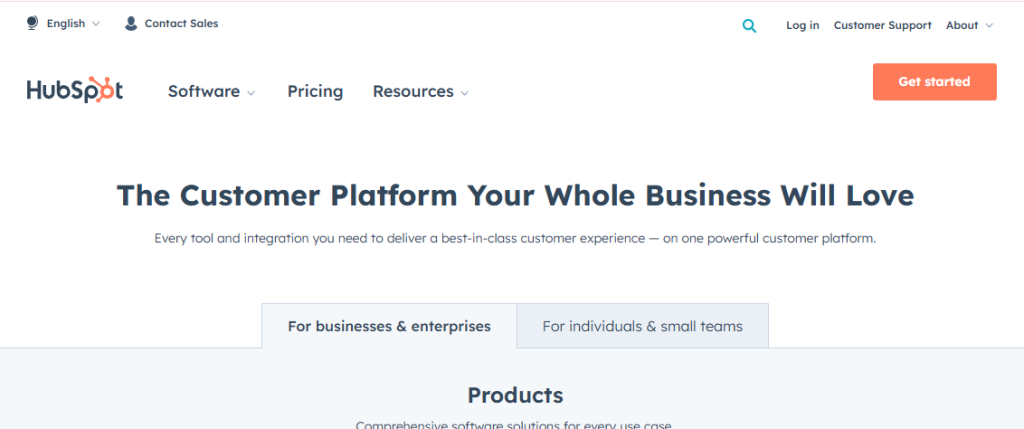
HubSpot is best known for its all-in-one marketing, sales, and service platform. As a live agent alternative, it offers conversational bots that are deeply integrated with its CRM. These bots can answer FAQs, qualify leads, and route conversations to the right team members, all while providing a complete view of the customer’s history.
Pros:
- Unified Platform: Live chat and bots are fully integrated with the rest of HubSpot’s tools, providing a single source of truth for all customer data.
- Free Tools: Offers a suite of powerful free tools, including a CRM and a live chat feature, making it a great starting point for small businesses.
- Marketing and Sales Alignment: Excellent for businesses that want to align their customer service, sales, and marketing teams.
- Automation: Offers advanced automation capabilities that can trigger actions based on bot conversations and customer behavior.
Cons:
- Limited Specialization: The live chat and bot features are good but may not be as specialized or feature-rich as a dedicated chat platform.
- Costly for Full Suite: While the free tools are great, accessing the full suite of HubSpot’s professional and enterprise features can be very expensive.
8. Zoho Desk
Zoho Desk is a powerful, context-aware help desk that provides an intelligent AI assistant, Zia, as a live agent alternative. Zia is designed to handle routine customer inquiries by pulling information from the knowledge base and offering a self-service solution that reduces the number of tickets for human agents.
Pros:
- Context-Aware Help Desk: It understands the context of a customer’s issue, allowing it to provide more relevant solutions.
- AI Assistant: Zia is a powerful AI assistant that can automate a significant portion of the support workload.
- Affordable Pricing: Offers competitive pricing, including a robust free plan for small teams.
- Comprehensive Features: Includes a wide range of features like a help center, live chat, social media support, and more.
Cons:
- Interface: The user interface, while functional, can feel a bit dated compared to some of the more modern alternatives.
- Learning Curve: The platform’s extensive features can be complex to navigate initially, requiring a bit of a learning curve.
9. Freshdesk
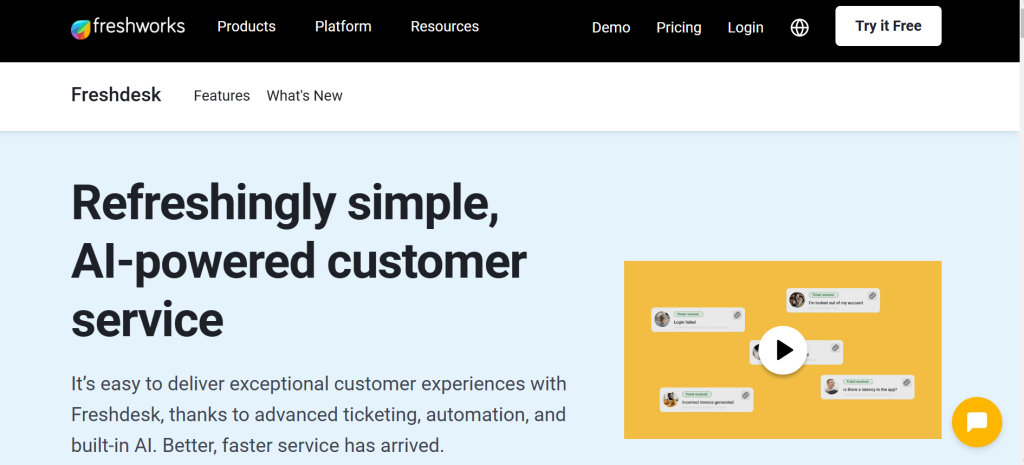
Freshdesk, from Freshworks, is a popular alternative that focuses on ease of use and a modern interface. It provides a live agent alternative through its AI-powered chatbots and a robust self-service portal. The chatbot can handle simple inquiries, while the knowledge base allows customers to find answers on their own.
Pros:
- Intuitive Interface: Features a clean, modern, and easy-to-use interface that makes it a great choice for new users.
- AI and Automation: Offers powerful AI features for ticket categorization, routing, and a chatbot for automated responses.
- Omni-channel Support: Provides a single platform to manage customer interactions across email, phone, live chat, and social media.
- Gamification: Includes unique gamification features that motivate and engage support agents.
Cons:
- Feature Bloat: While it offers many features, some businesses may find the platform to be a bit bloated with features they don’t need.
- Limited Customization: The level of customization for certain features may not be as deep as in other platforms.
10. HelpCrunch
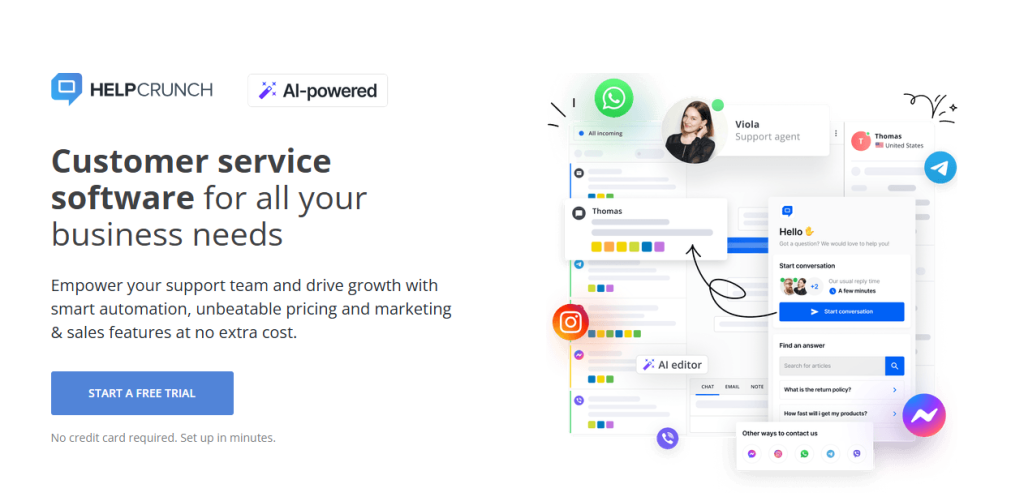
HelpCrunch is an all-in-one platform that combines live chat, email marketing, and a help desk, making it a powerful and straightforward solution for customer communication. Its chatbot, HelpBot, is a great live agent alternative for automating common tasks like lead capture, booking appointments, and answering frequently asked questions.
Pros:
- All-in-One Simplicity: Combines multiple tools into a single, easy-to-use platform.
- Affordable: Offers competitive pricing with a good set of features for the price.
- Powerful Chatbot: HelpBot is a capable chatbot for automating routine tasks and engaging customers.
- User-Friendly: Known for its clean and simple interface, which is easy for teams to adopt.\
Cons:
- Limited Enterprise Features: May not have the advanced features or scalability required for large, enterprise-level companies.
- Lacks Deep Integrations: The number of third-party integrations is not as extensive as in some of the more well-established platforms.
Conclusion
The evolution of customer service technology has created a vibrant market of alternatives to traditional platforms like LiveAgent. While LiveAgent remains a solid choice for its all-in-one approach, businesses today have the luxury of choosing a platform that is more specialized, more affordable, or more aligned with their vision for a truly automated and proactive customer experience.
Among the top alternatives, a clear leader emerges. While other platforms provide excellent value, SalesGroup AI stands out by fully embracing the future of customer service. Its AI-first strategy, powered by Jaci AI, is not just about automating routine tasks; it’s about fundamentally changing how businesses interact with their customers.
By offering an integrated suite that combines a powerful chatbot, smart ticketing, and advanced content creation, SalesGroup AI provides a truly next-generation solution. It is the ideal choice for businesses that want to move beyond traditional live agent support and leverage the full power of artificial intelligence to build stronger relationships and drive sustainable growth.
